
If your cooling system maintains engine and transmission temperature, why would you need a transmission cooler? Well, sometimes your cooling system and transmission need a boost, especially if you’re heading into the mountains frequently or towing heavy loads. The harder your transmission works, the more likely it is to overheat, which can accelerate wear and cause damage to parts in your transmission. If you think a transmission cooler may be a good idea for your car, give the mechanics at AAMCO Colorado a call and we can help you find the best one and get it installed.
Typically, your transmission fluid cycles out of the transmission, through the radiator, and back into the transmission at a lower temperature. However, if you have a transmission cooler, the transmission fluid will come out of the radiator and then through the transmission cooler before cycling back into your transmission. This further helps ensure that it’s at a cool temperature before re-entering your transmission, helping the internal temperature stay at a healthy level.
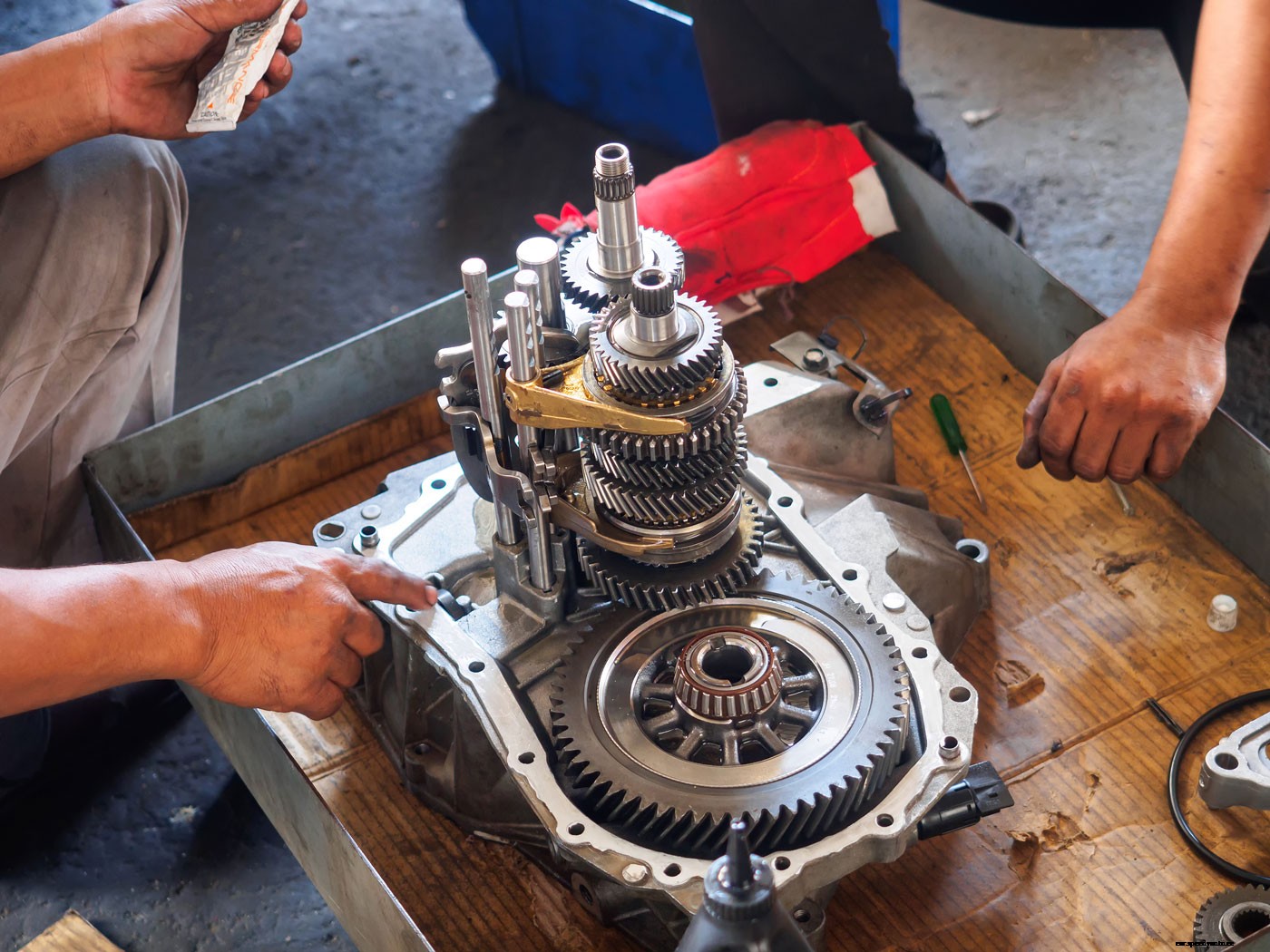
When you do a lot of mountain driving or even stop-and-go city driving, it can be harder on your transmission, potentially causing overheating. While your cooling system is typically equipped well enough to keep up with your engine and transmission temperature while driving, sometimes it needs a little help. A transmission cooler can be that extra boost on top of what your radiator does, especially with manual transmissions.
As your transmission fluid comes out of the radiator, it will then pass through the transmission cooler before re-entering your transmission. Inside the transmission cooler, air is circulating over the cooler’s fins or plates, which are then able to cool down the transmission fluid further. Your transmission cooler runs constantly while the engine is running, so every time your transmission fluid cycles through the radiator, it also passes through the transmission cooler.
Thankfully, a transmission cooler is likely to be budget-friendly, no matter what your budget is. At the low end, you can find transmission coolers for around $20-50, though some may also be over $200. While those at the lower end are limited in options and aren’t top of the line, they can still help keep your transmission healthy, even if you’re on a limited budget. Otherwise, look to spend anywhere from $50-200 or more, depending on which transmission cooler is best for your car.
Each car has several options for compatible transmission coolers. However, a good rule of thumb is to get the biggest transmission cooler that will fit in your car. Outside of size, different types of transmission coolers are known for different levels of efficiency. Your mechanic will best be able to help with current options that are available, but here are three main types you’ll see on the market.

This is both the oldest and most budget-friendly style of transmission cooler. It uses older technology, so it tends to be less efficient than some other, newer styles of coolers. However, it still does a good job of aiding in keeping your transmission cool. These can be a good option for use in older cars. They consist of a tube for your transmission fluid that weaves through fins that help cool the fluid.
With this style of cooler, transmission fluid flows through several plates, rather than a tube. Fins cool the outsides of the plates, which then help to cool your transmission fluid. You may think these transmission coolers look familiar because they tend to look similar to radiators. Because there’s more surface area on the plates, they tend to be more efficient than a tube at cooling transmission fluid as it cycles through the cooler.
Similar to plate and fin coolers, in a stacked plate cooler transmission fluid flows through plates. However, instead of relying on fins to help cool the transmission fluid, it will be cooled by much more efficient and larger turbulators. Stacked plate coolers are easy to install and remove from your car, so you’ll save on labor costs, though you may end up paying a bit more for the transmission cooler itself.
