
Your first instinct may be to go for that low mileage used car. It’s clearly better than the car with 75,000 miles on it, right? Not necessarily. While using mileage as an indicator of the overall health of a car can be helpful, it’s not the only aspect you should pay attention to. Even low mileage cars come with certain risks from how well they were maintained or any accidents they were involved in, so it’s important that you look at the current condition of the car overall.
The number of miles on a car can indicate certain maintenance services will have to be done soon, but it doesn’t tell you that much about what sort of care and attention the owner gave it. Before buying a used car, you want to have a good idea of what sort of car maintenance schedule was followed and how promptly necessary auto repair services were scheduled.

One way to get an idea of major incidents in the car’s history is to pull a Vehicle History Report using the car’s VIN. The seller may already have this on hand, but if they don’t, you’ll want to run one yourself. It will tell you about any accidents reported to insurance and whether associated repairs were taken care of. It’s a good way to see what hidden problems could sneak up after purchasing the car, such as suspension problems. This can also help with ensuring you pay a fair price for the car.
In these digital times, it can be tempting to buy a car online, sight unseen. However, it’s better if you’re able to see the car for yourself and even drive it before committing to a purchase. A simple visual check and quick drive can tell you a lot about the car’s current condition.
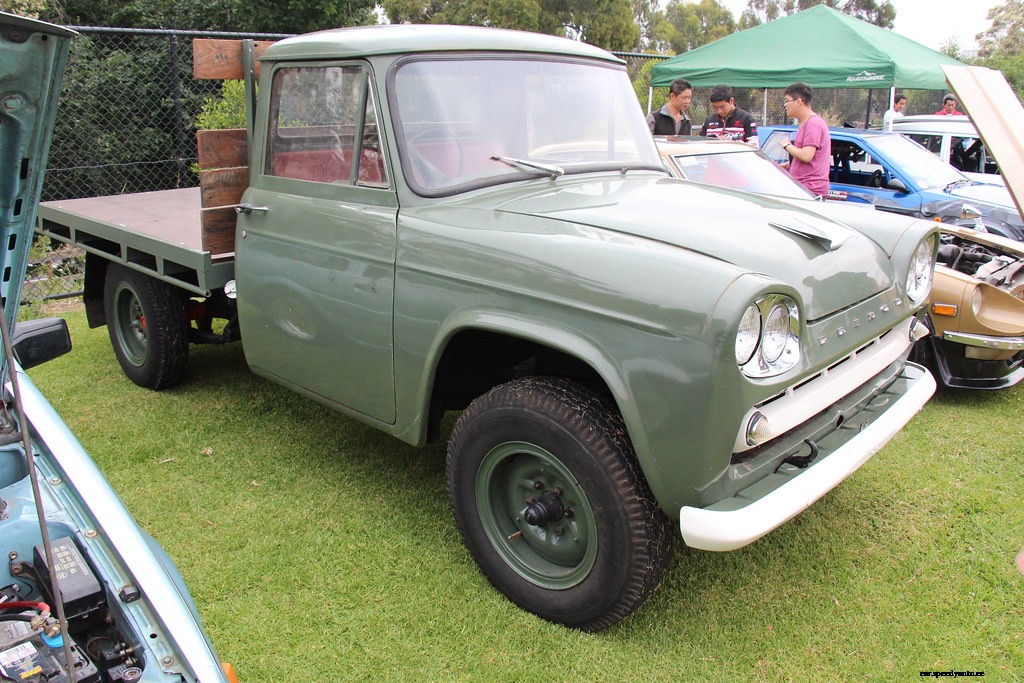
Take your time looking closely at the exterior and interior of the car. Circle around the outside and look for any hail damage, signs of rust or paint chips, and any dents that could have more damage hidden underneath. Inside the car, pay attention to any musty smells that could indicate water damage and check the upholstery for unusual wear and tear.
Don’t skip the underside of the car. Take a couple minutes to get down on the ground and look underneath the car. If you see spots that look like fluid drips, it could indicate a necessary auto repair service. Also look for any signs of rust on the metal parts beneath your car or around the exhaust pipe, which can come from the salt used on roads through the winter.
Ask to take the car for a spin. Even just a quick trip around the block can tell you a lot about the health of the car. Listen for any strange noises such as rattling, whining, or clunking that can indicate a car problem. This also gives you an opportunity to see any dashboard indicator lights that may come on, such as engine temperature or the check engine light.
The best way to ensure you’re making a good purchase is to schedule a pre-purchase inspection with a trusted mechanic. While all of the above measures can help you make a more informed decision, your mechanic is best able to tell what’s really going on with the car. If there are any hidden problems that don’t arise during your inspection or test drive, they should still be caught during a pre-purchase inspection. It’s also best if you’re able to choose where to take the car for a pre-purchase inspection so you can be sure it’s done well and will catch any necessary car repairs.
