
The key to a healthy transmission is regular maintenance. When you take good care of your car’s transmission, it takes good care of you on the road. While your transmission doesn’t require frequent maintenance services, there are still certain regular services and checks that you should have done to ensure your transmission is ready to go before heading out on a mountain drive.
Take a look at your car’s mileage and if you’re approaching 100,000 miles, you may want to consider a transmission fluid flush or replacement. This is a general rule of thumb, so you’ll want to check your owner’s manual for a more specific recommendation for your car.
It’s also important to keep an eye on how your car is running and any possible fluid leaks. Many modern cars now have a transmission fluid dipstick, much like how you check your engine oil. Checking the level and condition of your transmission fluid before hitting the open road can help prevent any surprises that could leave you stranded or lead to a more serious transmission repair.
While transmission maintenance is important, you also want to think more holistically about your car’s health. Every system in your car works together to keep your car running its best and a number of parts can impact your transmission’s health. Your owner’s manual and a trusted technician will give you a clear idea of what maintenance services are beneficial for your car, but here are a few to keep in mind this summer.
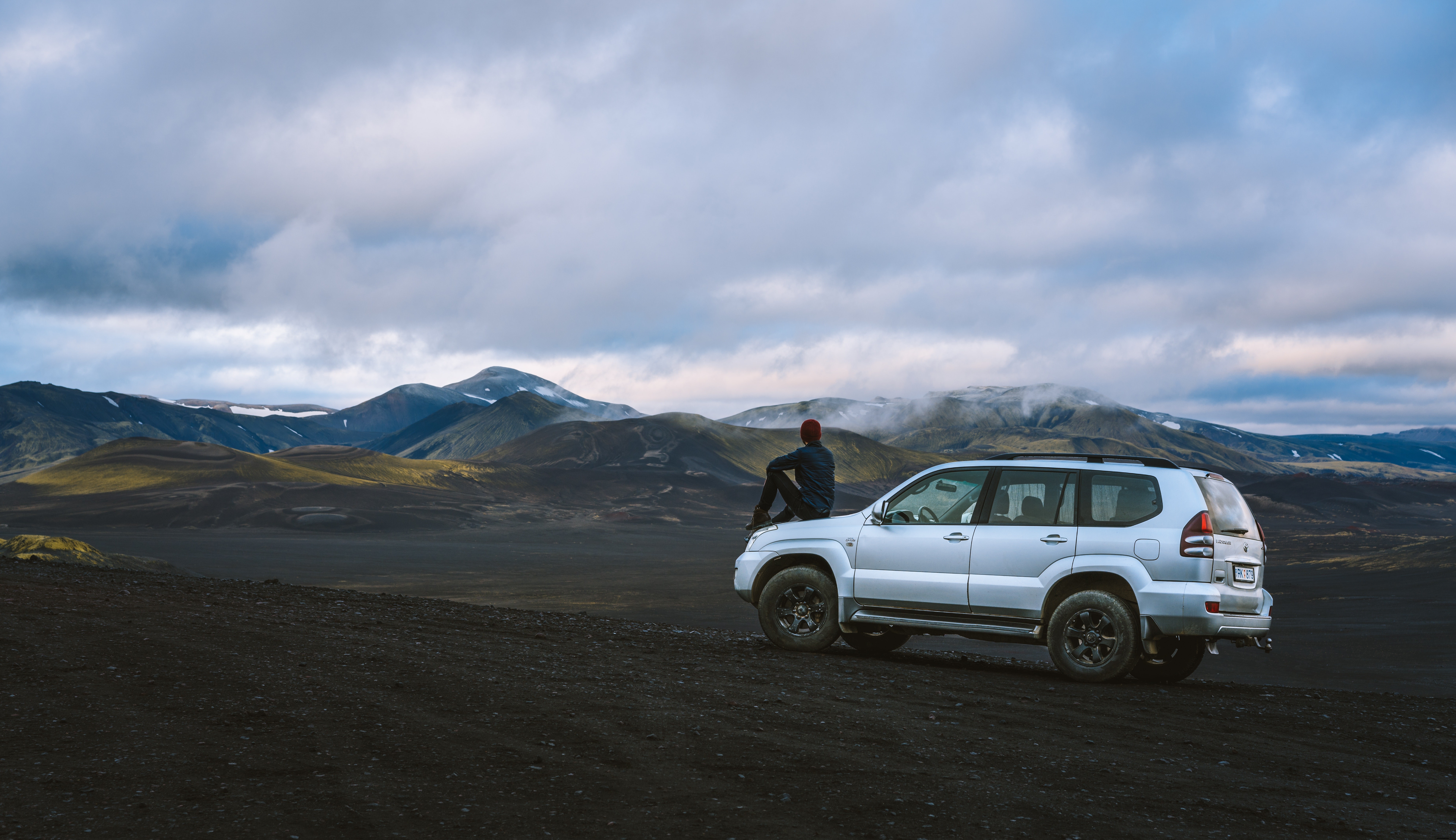
Without a well-operating cooling system, both your engine and transmission are at risk of overheating. This is especially true when driving through hilly or mountainous environments that put extra strain on your transmission. Ensure your car has the proper amount of coolant and while you’re driving, keep an eye on the engine temperature gauge. If your engine shows signs of overheating, it’s likely your transmission is also warmer than it should be. Cooling system maintenance will ensure your car is ready for a mountain drive and your engine and transmission aren’t at risk of overheating.
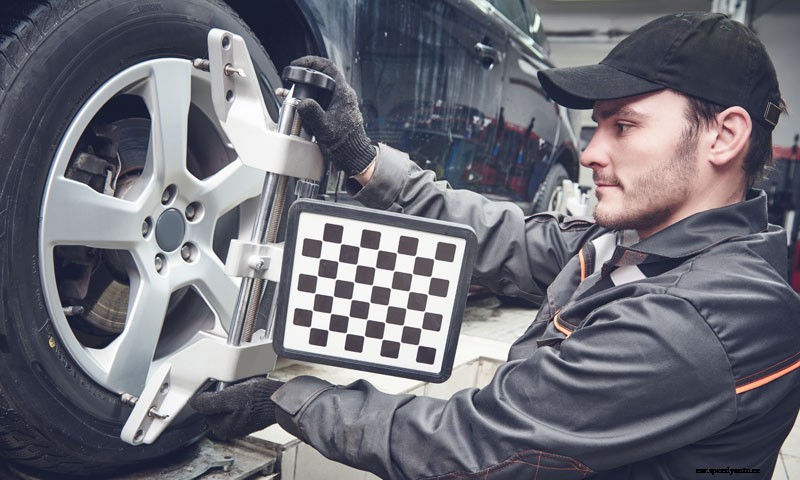
You may not associate tire health with engine or transmission health, but sometimes they go hand in hand. If you notice your car pulling to one side or vibrating, it’s a sure sign that you need a tire alignment and suspension service. These problems can be a nuisance to you, but they can also put extra strain on your car’s transmission. While it’s manageable under normal driving circumstances, it’s even more important to make sure you aren’t putting extra strain on your car’s systems when heading to the mountains.
Mountain driving already puts more strain on your car’s engine and transmission than normal city driving. Maintaining uphill power can quickly overwork and overheat your car’s systems if you aren’t prepared. You can also pay attention to your driving habits to help ease the strain put on your car.
While using your brakes on downhill slopes is unavoidable, you should be mindful of how and when you’re using your brake pedal. When travelling down a long hill, you should use automatic transmission engine braking to avoid overheating your brakes. How do you do this? When travelling downhill, shift your automatic transmission into a lower gear using the gearshift. Typically, you will have the choice of ‘D’,’3′,’2′ and ‘1’ or similar. This driving technique helps avoid overheating your brakes from too much use. When you do use your brakes, avoid slamming your foot on the brake pedal and instead be proactive about braking gently.
If your car is having trouble, it’ll show you signs. Pay attention to any changes in sounds, smells, or how your car is driving and if you notice anything unusual, pull to the side of the road. Sometimes simply letting your car rest and cool down can save you from more serious car repairs and allow you to get safely back home. If you aren’t comfortable driving your car home, don’t push it.
