
Through the years, your headlights can get hazy, cloudy, and remain that way. You can make them temporarily look better by polishing them, but the haze with come back. If you want to remove haze long-term for years to come you need to use sandpaper and a clear coat spray paint.
To restore your headlights so they are clear, use sandpaper and a UV clear coat.The steps are as follows:
There lots of steps and ways to go about getting your headlights clear again, but the only way to prevent oxidation long term is to use clear coat paint over them. It’s a fairly cheap ($20+) and simple process but will take some time (30 minutes – 2 hours+). Read more to find out how involved it will be and all the details of how to do it.
The following are the steps I would take to sand and restore my headlights to like-new condition. Each person needs to consider the condition of their headlights and adjust accordingly to get the best results.
Ensure there is enough light outside or inside the garage to see clearly and get the job done right.
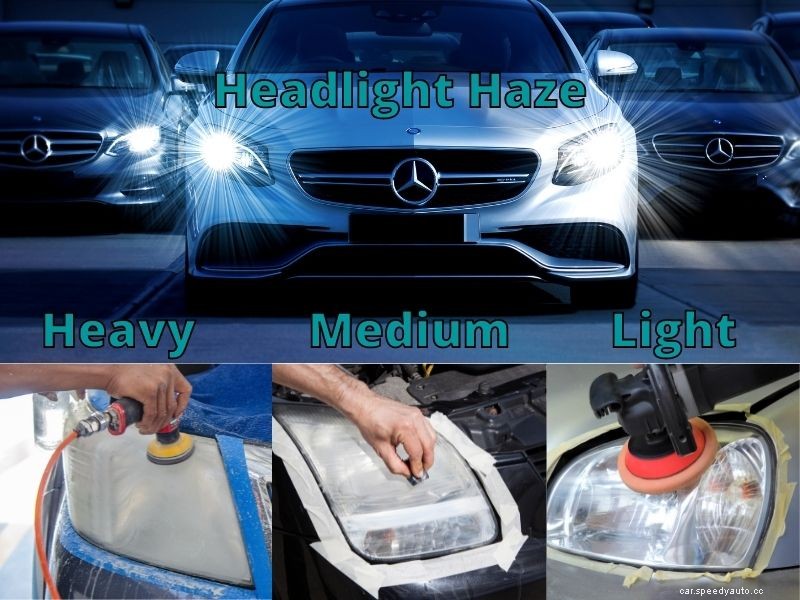
Determine if your headlights have light, medium, or heavy haze on them. Then start with the following grades of sandpaper for the following conditions:
Headlights with lots of haze and yellowing will take a bit more time to sand, while those with a light haze should take half the time. You’ll know that you’re done with sanding once residue from sanding is clear as you spray it with water.
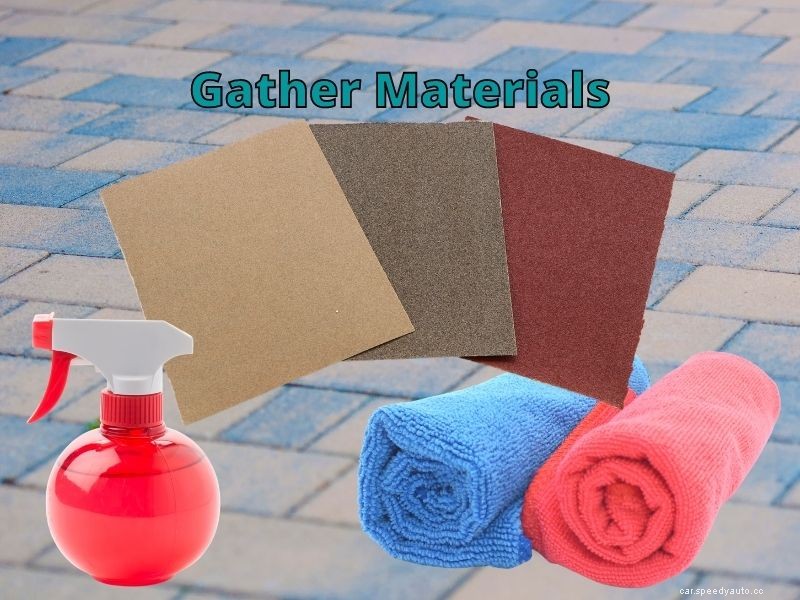
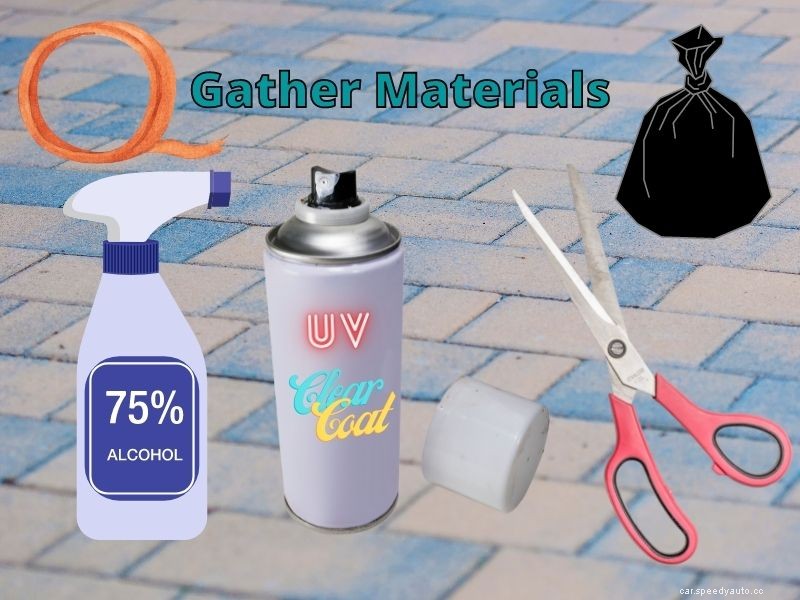
There are many ways you can tackle sanding, so you can decide what is best for you and your circumstances, but if I were to sand my headlights today I would likely use these materials.
If you want to use 3000 grit sandpaper, that might be helpful as well to create an extra smooth finish and more clarity, but it’s not necessary to get good results. In fact, it might be helpful to stop a 800 grit sandpaper to add a bit of rough surface for the paint to hold on to.
If you want extreme clarity then using 3000 grit sanding may be helpful, especially if you are not going to spray paint a clear coat, and only adding another protectant to your headlight. For example you could use a polisher to add compound and polishing cream to clarify the headlight, and add a sealant manually to protect.
The only problem with this is most sealants or protectants don’t last more than a year. That’s why using a UV clear coat is a great long lasting solution.
Materials
Optional Materials
Sanding sponges with various grits can be substituted for sandpaper. Those who have a drill or polisher may be able to attach a sanding pad to their tools.
Polishing compounds can be purchased to buff out haze on the headlight. Then you would use a polishing cream and some sort of protectant at the end. These usually come as a part of a headlight restoration kit and could be used to add to or substitute some of the steps in the process of removing the haze.

The goal during this step is to remove the haze from the oxidation of the UV coating on the headlight. While sanding you will remove the haze but also create a haze by sanding.
How much time it takes depends on the haze level. Start by sanding lightly for about 1-2 minutes over the entire surface. For wet sanding, you may need an additional 1-2 minutes of sanding. Take the time to check the edges of the headlight to ensure the entire headlight is sanded.
What you need to watch for is the time at which the UV coating haze has been removed. You may need to look closely and see if the yellowish haze is gone; that’s when you stop.
For wet sanding, you will notice a “milky color running down” as you wet sand the headlight. (youtube.com) Once the yellowish haze is gone and the milky color turns more clear, you stop.
Dry Sanding – This means using the sandpaper without any lubricant.
Wet Sanding – This means wetting the sandpaper and the headlight thoroughly before and during sanding.
Sanding – Stage 1
Sanding – Stage 2
Sanding – Stage 3
Although you might not need this stage, it’s probably a good idea just in case you missed some part of the headlight or didn’t quiet get the surface evenly sanded on the previous step.
Your headlight should now have a horizontal pattern scratch over the entire surface. The next step is to spray paint your headlight(s) with a UV clear coat. Make sure you have plently of light to see clearly as you paint.
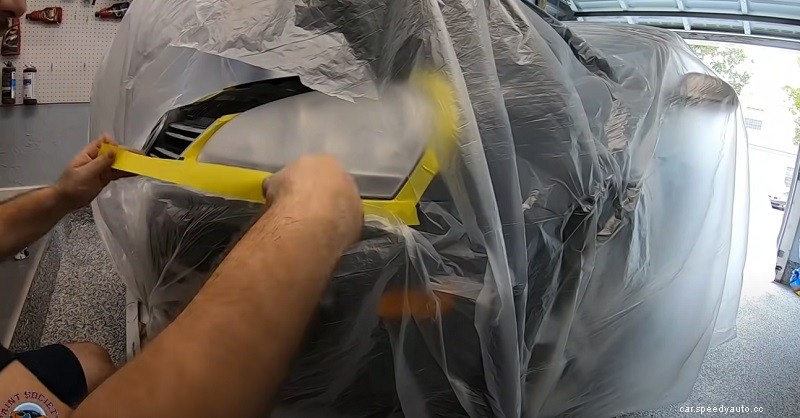
This step involves creating a protected area around the headlight so clear coat doesn’t get on your car.
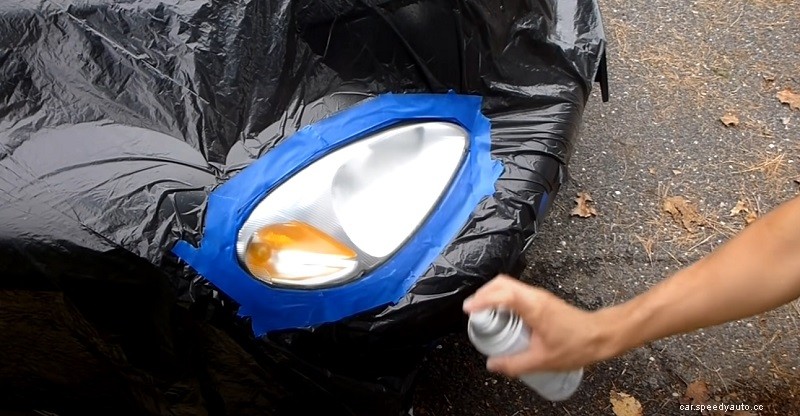
Choose a day that is not windy or rainy. Look on the spray paint container for specific instructions, as each paint will have slightly different instructions. Make sure it is UV clear coat that works on plastic.
Depending on where you paint and if wind is blowing, you may need to protect your car with more plastic bags.
Painting – Stage 1
Painting – Stage 2
Painting – Stage 3
At this point your headlight may look great but it may still have the orange peel effect where the surface isn’t smooth. You can either leave it alone and add some caranuba wax to protect it from dirt or do more sanding.
If you see the surface isn’t smooth even though it’s clear, you can wet or dry sand with 2000-3000 grit sandpaper to smooth out the surface and then use a electric buffer.
You’ll need a compound and polish or all in one, with the electric buffer to clarify the headlight. Then it will be both smooth and clear.
The benefits of sanding and painting is the improvement of the look of your vehicle. Your lights will look new again, imporving the cosmetic appearance of the entire car.
It can also help improve overall visibility of the road while you’re driving your car at night.
When you sell your car, having clear headlights improves the overall price of saling of your car.
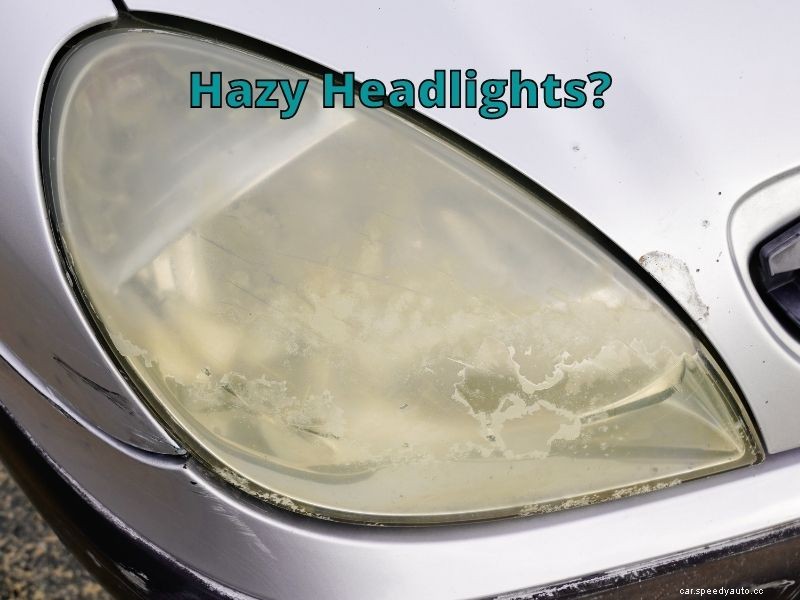
The UV rays from the sun are the reason almost all headlights get hazy. Plastic oxidizes when exposed to UV rays.
Most of the headlights that you can find in today’s cars are made from polycarbonate. Compared to glass, it is safer but more prone to damage from the sun, acid, and possibly humidity and rain. They can also get damaged from some cleaning products that have harsh chemicals.
Just like you’re car’s clear coat, adding some wax to them can temporarily add protection from oxidation and buff out so of the haze from your headlights. Yet, a couple of weeks later the headlights will probably be back to the way they were.
Discoloration and oxidation may affect the light output from your headlights as well. If you drive at night you might notice the effects more dramatically from one car to another.


There are many headlight restoration kits available and some do a great job, but this can also depend on how oxidized your headlights are.
These kits are fairly easy to use, reasonably priced more or less, and don’t take too much time. That’s why many people opt for this solution rather than taking the time to sand and paint.
Yet, sanding will actually remove the oxidized layer of plastic that has hazed up on your headlights and make them truly clear instead of just polishing (which can remove oxidation) them and covering them with a protectant (doesn’t last long term).
Headlight Restoration Kits
Many headlight restoration kits can work well because they often come with the sandpaper or pads needed to remove oxidation, although they sometimes lack a clear coat. So you’ll need to make sure you get the right kit if that’s what you want to do.
One benefit of these kits, is they usually take less time than doing it yourself.
If you do choose a kit I would recommend the products below. These might work well depending on your situation. Headlights with heavy haze might not be best for all kits. The clear coat for these kits may also not last as long as painting it yourself.
When choosing a type of headlight restoration kit, consider the following:
I have looked at a lot of videos and found the following three videos the most helpful for how to remove haze from your headlights by sanding them. Most of the information in this article was gathered from these three resources.
Sanding and painting your headlights can be a great idea. Make sure you have the time and resources needed to do it right though. After a few rounds of sanding and spray painting, your headlights can look very clear.
You can expect to get great results with a little time and patiences. You can go cheap, spending about $20 or end up spending a lot more if you decide to buy some polishing equipment.
Most anyone can restore their headlights with a little time and some who take the extra time can restore them so they look great for a long time to come.
Thanks for visiting Drivinglife.net
