
While driving, do you hear the growling, howling, or sometimes the grinding noise, which increases with the vehicle’s speed? If that’s a yes, then you must know that most of the time it’s the damaged wheel bearing making noise. “Wheel Bearing-What is that?” – If you’re having the same question in mind, then let’s first learn about it. Followed by which, you can then comprehend and practice the ways to diagnose the bad wheel bearing noise.
Wheel bearings are the steel balls, held together by the metal ring called the race. The work of these balls is to reduce the friction while the wheel is spinning. Used in every vehicle from bicycle to airplane, these components in the car are equipped on a metal axle shaft inside the hub. This hub is actually located at the center of the wheel that helps in bolting the tire onto the wheel. And, the bearings are fitted into the hub from the back of the wheel.
What does a bad wheel bearing sound like? Check out the video below:
In every vehicle, wheel bearings are accompanied with the wheel and are also moving constantly. While driving, the wheels are touching the road, therefore there could be a wide range of reasons that make the wheel bearings produce bad sound. Here are 5 common reasons for sounds of bad wheel bearing.

While you drive your car, the wheel bearing of your car will receive all the pressure of the wheel and tire. Therefore, if you drive over a pothole or a bumpy curb, there will be more pressure on your wheel bearing which cause it damaged very easily. While driving, hitting something is the risk that you can not avoid, which leads to more force on the balls of the wheel bearing. This will result in small imperfection in the wheel bearings. Driving a car with these faulty bearings for a long period of time will more heat and wear to form. Debris will be created from the wear and then will pollute the lubricant of the wheel bearing, making the wheel bearing fail more faster.
Even you have replaced your wheel bearings by new ones, you still hear some bad wheel bearing noise. The only conclusion is that the wheel bearings make bad sounds because they were installed in a wrong way (not follow the manufacturer’s recommendation).
>> Find a second-hand car from Japan at best deal here <<
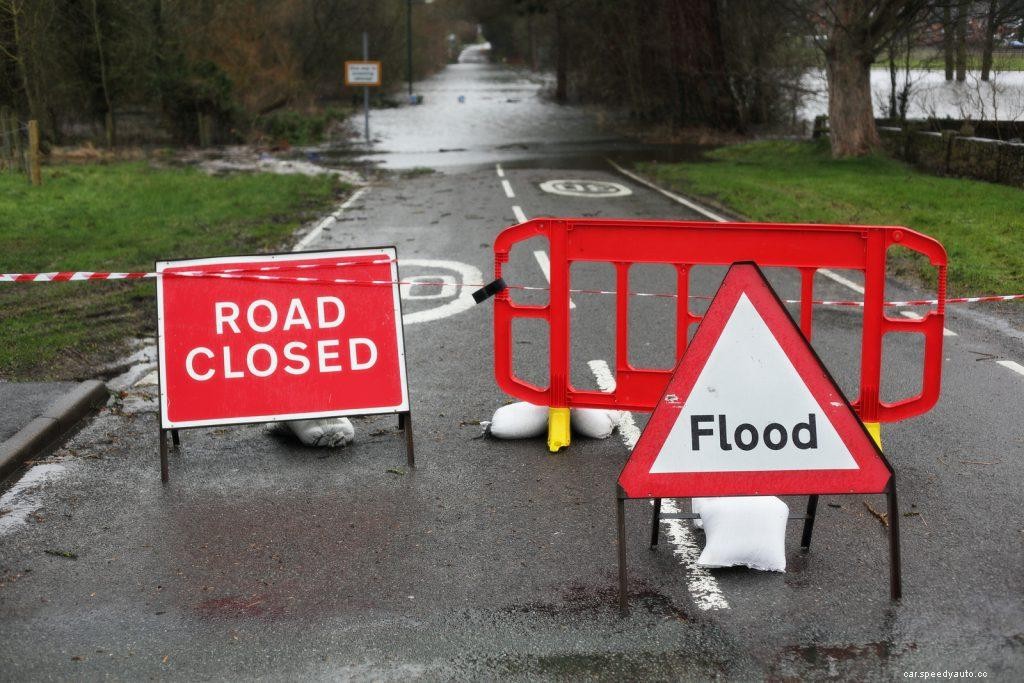
Another reason cause bad wheel bearing noise is driving on the flooded street. If you drive your vehicle on a street that is flooded with water, your wheel bearings will be subjected to moisture. Moisture will mix with lubricant then makes the lubricant work ineffectively, causing damages on the wheel bearings. In this case, you can not service or repair a modern style wheel bearing. According to auto experts, the only solution for damage causing from water is replacing the wheel bearing.
Wheel bearings are connected to the wheel, therefore if the wheel area are damaged, the wheel bearing will definitely be damaged and then cause bad wheel bearing noise.
The wheel system can work staby based on its wheel bearing, lower joint, lower arm, tire and shock. If you drive your car with unbalanced tires, some of those other parts will be broken and causes bad wheel bearing symptoms.
Before taking the car to the nearest mechanic store, let’s learn the three different methods to check the wheel bearing and see if it’s bad.
To hear the sound of the wheel bearing, you need to drive your car above the speed of 30mph. And, at this time, you can notice that as you drive faster the noise of the bad or damaged wheel bearing increases.
Here, it is pivotal to note that this sound may appear to be coming from the tires or windowpane but actually the problem’s source lies with the wheel bearing. The biggest difference one can notice is that the car with the good wheel bearing doesn’t produce a howling or grinding noise like the one with the bad bearings.
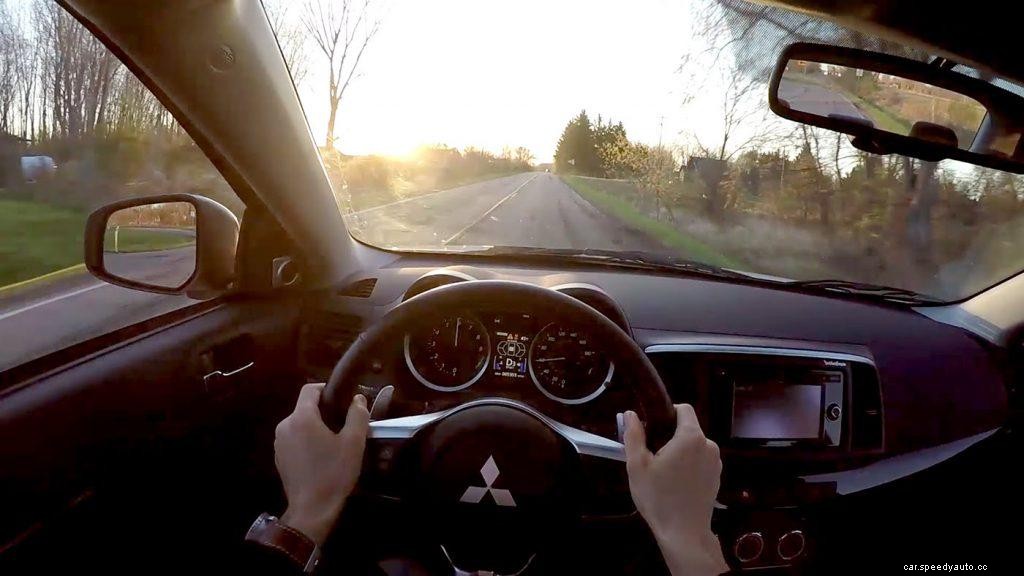
Additionally, to know which side of the wheel bearing is damaged turn the vehicle gently. For instance, if the car after turning left produces little less sound this means, the problem lies with the right side bearings, and vice-versa.
SEE MORE:
For this step, you need to raise the car from the front by supporting it safely on the jack stand; with the rear tires blocked off. This latter action is necessary to prevent the vehicle from moving behind. Now let’s start diagnosing the front wheel bearing and make sure that’s the source of the problem.
Firstly, grab the tire from two ends in the three and nine o’clock position and shake it back and forth. If while shaking the wheel you can hear a certain noise, this indicates the bad wheel bearing. Next, to ensure that it’s the bad wheel bearing sound and not the bad wheel run, repeat the same process by holding the tire in twelve and six o’clock position. During this diagnosing procedure, also keep a check on the components behind the wheel. As it would ensure that, the problem is not with any other part but the wheel bearing only.
Tip: Before grabbing the tire in six and twelve o’clock position, make sure the vehicle is stable.
Before moving ahead, it’s important to note that not every vehicle has the scanners embedded in it. Therefore, the cars having ABS Sensor can actually make use of this technology. Usually, the latest manufactured cars have this technology.
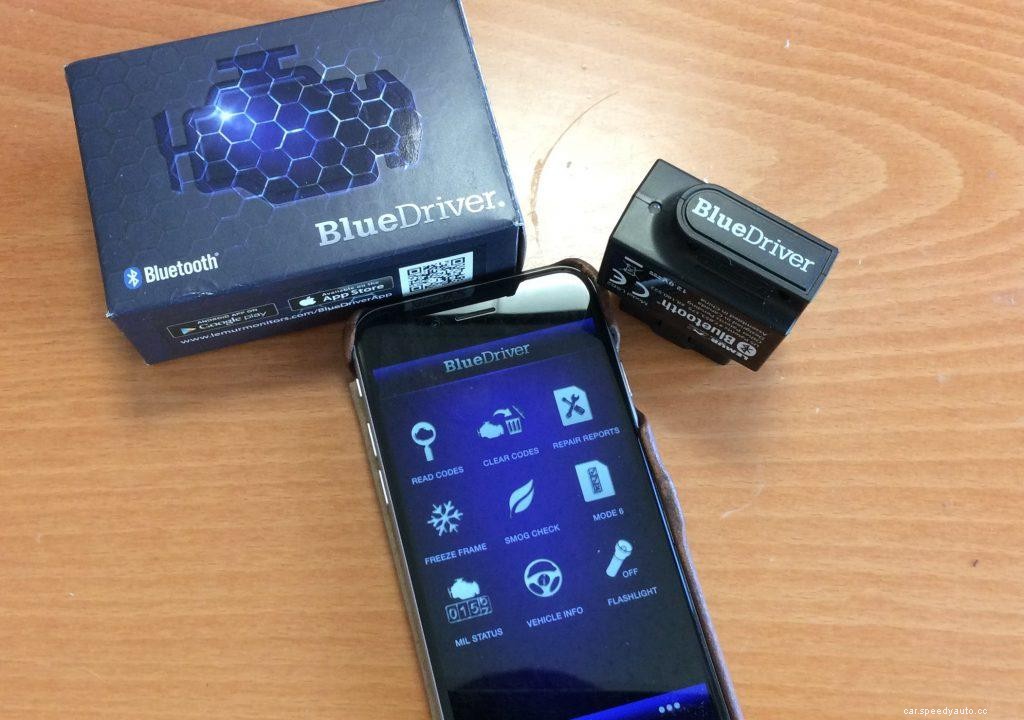
For this, you need a device such as an OBD2 scanner (a kind of Bluetooth device), providing all the information related to vehicle’s configuration and the present status of its components. To check the status of the wheel bearing, connect the device with the tab/computer. Then, enter the defined code of the wheel bearing on the tab’s screen and confirm its status.
Hence, these are the three easy methods, which can help in checking the bad wheel bearing sound. And later, can help you in following the maintenance tips for the same.
