
There is an oil puddle under your car or truck when putting it in park. Should you worry?
Finding a dark oil spot under your car can be frustrating and even a little alarming. But if this has happened to you, take some comfort in knowing you’re not alone—it’s one of the most common issues drivers face. Why is your car leaking oil when parked?
Don’t worry! We will guide you through locating and diagnosing oil leaks and give you some tips on repairing the leaks.
Why is my car leaking oil when parked? Let’s find out the most common reasons for this problem:
Reason behind the oil leakage: The filter is often blamed first. Yes, if the filter is improperly installed, damaged, or clogged, it can lead to oil leakage even in the parking mode. An oil filter unit removes impurities from the engine oil before they damage your engine. However, after a few thousand kilometers on the road, an oil filter will start to degrade.
When the debris builds up and blocks the oil filter, the oil will begin to spurt. Additionally, the pressure from the inside of the engine may cause the filter to become loose.
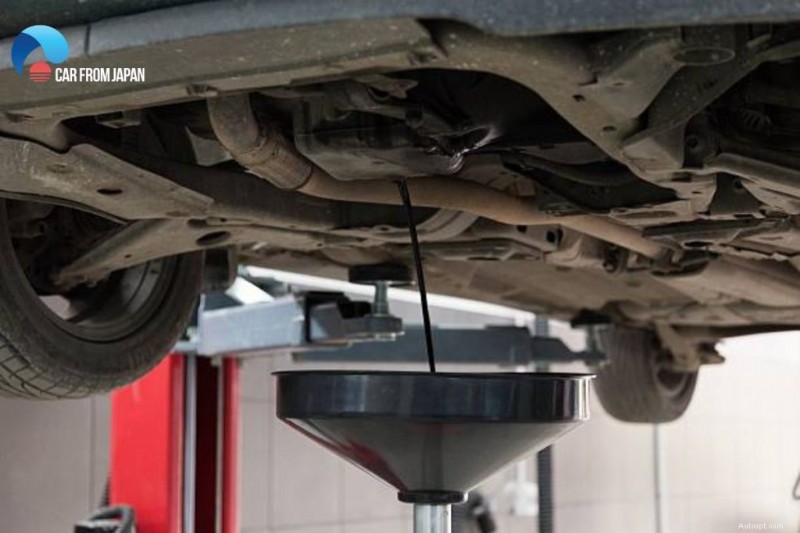 Let’s find out the most common reasons for this problem (Photo: istockphoto)
There are two crankshaft seals: one at the front of the engine and one at the rear of the engine. These seals are the rubber “gatekeepers” that wrap around the crankshaft where it exits, keeping the oil inside while allowing the shaft to spin freely. With age and mileage, these parts tend to wear down and become brittle or crack, and begin developing oil leaks. Gravity does the rest while the car is parked.
This is a sealing element between the valve cover and the cylinder head. It ensures that the valve cover fits securely and creates a tight seal underneath it to protect parts and engine oil from dirt. It prevents oil from leaking and getting into heated engine parts.
A tell-tale sign of a bad valve cover is the smell of burning oil. Because the leak starts high up on the engine, the oil often drips down onto the very hot exhaust parts, causing them to burn off before hitting the ground. If you notice any oil leaks from under the valve cover, the gasket should be replaced.
An oil pan gasket is a thin material that prevents oil from escaping while flowing from the oil pan into the engine. Think of it as a seal designed to hold two parts together to ensure that oil does not leak where it should not.
However, this gasket can start leaking over time. This is a moderately severe issue that should not be ignored. Leaving this gasket to continue leaking for a while is not advisable since it may lead to significant oil loss. A leak here is easy to spot, as it will drip straight down from the lowest point of the engine, usually leaving a puddle right in the center.
See drips or puddles underneath your car, what should we do? Depending on each cause, we will have the suitable method to fix this problem. Here are some actions you can take when encountering oil leaks when parking your car:
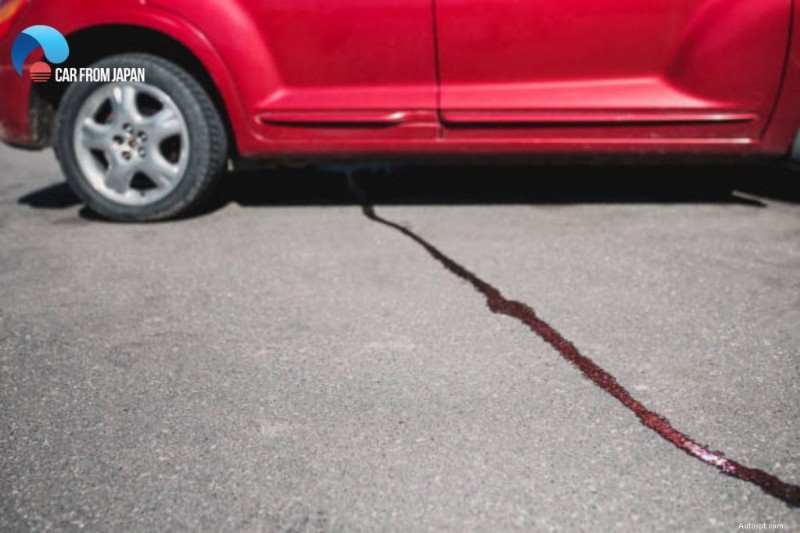 Why is my car leaking oil when parked (Photo: istockphoto)
Before you think about repairs, you should pinpoint the oil leak. This step may help you diagnose the source of the problem. To detect where your car is leaking oil, you should slide a clean cardboard under the engine area and leave your car parked overnight. In the morning, the location of the drip on the cardboard will give you your biggest clue.
Alternatively, you should inspect the areas around the engine, transmission, and differential. If there are a lot of oil leaks, it may drip or run down the specific components of your vehicle.
After identifying the source of oil leakage in car, let’s get on track to resolve this problem. Whether you’re trying to tackle the issue yourself or want to be better informed before visiting a mechanic, this guide is tailored for you:
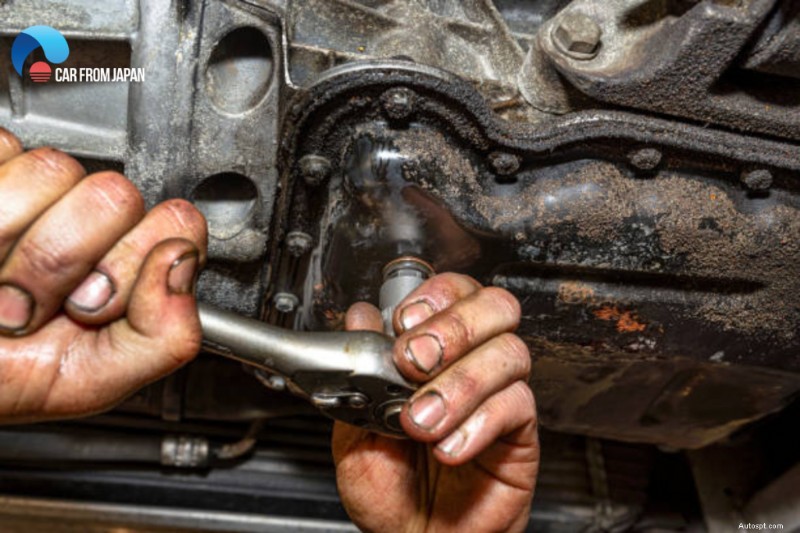 To replace this gasket, the entire oil pan must be removed. (Photo: istockphoto)
While an oil leak is never good news, it’s usually a very fixable problem caused by an aging seal or gasket. These parts are often inexpensive; the main cost is the labor to replace them. The key is to get it checked out by a professional before that small drip turns into a big, expensive problem.
