
What color is power steering fluid? Understanding the color of power steering fluid can be key to maintaining vehicle health. While the power steering fluid is often red, it can also be clear, pink, or amber, and using the wrong one can cause big problems.
This article will provide an explanation of what different fluid colors signify and when to consider checking or replacing them—an essential watch for anyone looking to increase their knowledge on car maintenance.
Power steering fluid is a lubricating fluid that supports the power transmission to the steering system, helping drivers to control the steering wheel more conveniently and smoothly. This fluid is usually stored in a plastic or metal container, located next to the power steering pulley. The main functions of power steering fluid include:
What color should power steering fluid be? The tricky part is that there is no single universal color for power steering fluid anymore. The color is mostly just a dye added by the manufacturer to help identify it. Additionally, the color of the fluid in your reservoir can tell you a lot about the health of your steering system.
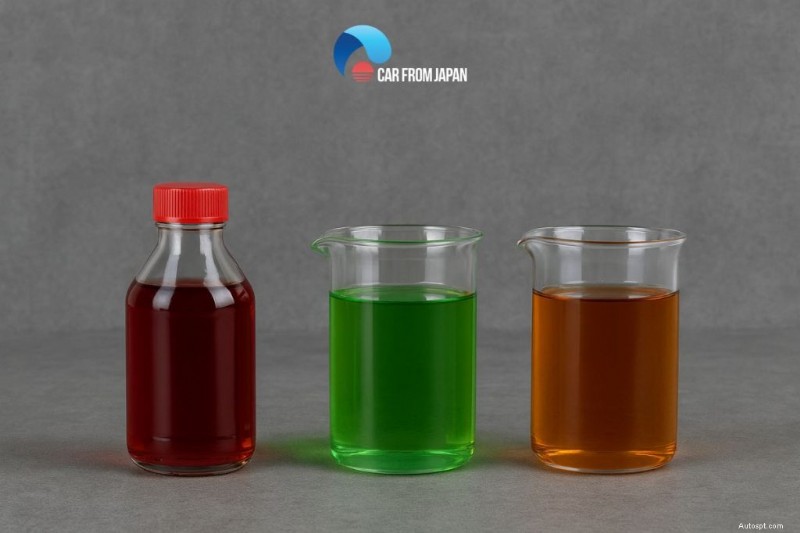 Fresh power steering fluid generally comes in colors such as red, pink, green, and clear.
Fresh power steering fluid generally comes in colors such as red, pink, green, and clear, while the most common color is going to be like reddish or pink. Below, we will decode the meaning of each color:
The good power steering fluid should be clean and translucent, meaning you can see through it. And red, pink, and clear are the usual colors.
Power steering fluid that’s dark, dirty, or has a burnt smell usually indicates a problem. Here are the details:
These are the more in-depth list of the colors associated with power steering fluid. For a short conclusion, power steering fluid should be red, clear, or pink when they new. However, as it ages or becomes contaminated, it can turn black, dark brown, or even a yellowish color.
Here’s the most important thing a mechanic can tell you: the type of fluid matters far more than its color.
Think of the color as just the cover of a book. What matters is the story inside—the chemistry. Power steering fluids are specifically engineered with different additives, detergents, and friction properties.
Using the wrong type of fluid, even if the color looks similar, can destroy the seals in your power steering pump and steering rack, leading to leaks and catastrophic failure.
To avoid your power steering fluid losing its function, you should change the fluid periodically. The time to change the power steering fluid depends on the type of fluid the vehicle is using and the amount of fluid currently in the system.
Accordingly, the car owner should follow the standards recommended by the manufacturer. Normally, you should change the power steering fluid every two to four years or 30,000 to 50,000 miles. In some cases manufacturer’s recommendation can go even higher or lower than this period.
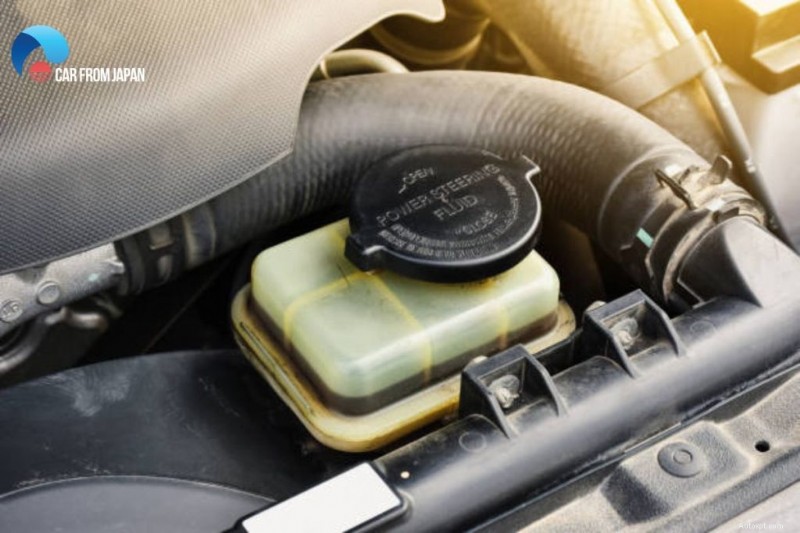 How to check power steering fluid (Photo: istockphoto)
Here are some signs that the car needs to change the power steering fluid:
Checking your power steering fluid is a quick and easy job that anyone can do. It’s a great habit to get into, just like checking your engine oil. Here is a simple, step-by-step guide on how to do it correctly:
Usually, power steering fluid is stored in a cylinder-shaped container, located next to the power steering pull cord. Some new car models often have changes in the spatial structure of the engine compartment. If the location of the oil tank cannot be found, the vehicle owner can see the details in the car’s user manual.
The method of checking depends on the material of the cylinder in the tank:
The oil tank cylinder is made of plastic: The amount of oil inside is easy to see, and the operator can check through the maximum and minimum levels already shown on the tank body.
The oil tank cylinder is made of metal: The cylinders of this tank are made of aluminum alloy or opaque plastic, so it is difficult for users to check the fuel level with the naked eye. At this time, the operator must use the oil dipstick (usually attached to the car’s hood).
To check the fluid level with the dipstick, the user first needs to wipe off the excess oil on the stick, then insert it into the tank and remove it. The dipstick usually has lines marking the maximum and minimum levels. If the remaining oil level is below the minimum, the user should add fuel.
A qualified power steering fluid will be amber or light pink and show no signs of dirt. On the contrary, if the fluid is black or brown, the oil has been contaminated with dirt from the rubber joints in the tube, O-rings, etc. In this case, the user should take the vehicle to a repair center for an accurate inspection and replacement when necessary.
In the end, it’s pretty simple. The color can tell you if your fluid is old or new, but it can’t tell you if it’s the right kind for your car. Your owner’s manual holds that answer. Getting that one detail right is the most important part of keeping your steering smooth and quiet for years to come.
