
Winter creeps up fast. One day you drive with the windows down, and the next you scrape frost off your windshield. Most drivers wait until the first big storm hits before even thinking about their tires. That scramble to the tire shop usually ends in frustration and long waits. If you want to avoid that stress this year, the best strategy involves planning ahead and understanding how temperature affects your vehicle. We need to look beyond just snow on the ground. Cold pavement changes how rubber reacts, regardless of precipitation.
Let's talk about the magic number: 45 degrees Fahrenheit. Summer and all-season tires start to stiffen when the thermometer drops below this point. They turn into hard plastic pucks instead of grippy rubber. Your traction disappears long before the first snowflake lands. Learning when to put on snow tires for safe winter driving isn't just about dodging blizzards; it is about handling cold asphalt. Now, let’s take a closer look at how to identify the perfect time to equip yourself with snow tires.
Understanding tire compounds helps explain why swapping early matters. Manufacturers build summer tires for heat. They love hot pavement and stay pliable to grip the road. But cold air makes them rigid. A rigid tire skates over the road surface instead of biting into it. This loss of flexibility compromises your ability to stop and turn. You might feel confident because the roads look dry. That confidence can be dangerous on a freezing morning.
Winter tires use a unique rubber compound that stays soft in freezing temperatures. They feature silica-based mixtures designed specifically for the cold. Think of a winter tire like a soft eraser that can conform to the tiny imperfections in the road. That conformity creates friction, which keeps you on the road. Even on dry pavement, a winter tire stops faster than an all-season tire once temperatures dip near freezing.
Sipes play a huge role here, too. Look closely at a winter tire tread. You will see thousands of tiny zigzag slits cut into the blocks. These are sipes. As the tire rolls, these slits open up and bite into snow and ice. They also give the water somewhere to go. All-season tires have some sipes, but nowhere near the amount found on dedicated winter rubber.
Many people believe "all-season" means "every season." That name is a bit misleading. A more accurate name would be "three-season" tires. They perform adequately in spring, summer, and fall. They handle rain well and offer decent tread life. But they act as a compromise. To get decent performance in warm weather, they sacrifice extreme cold capability.
Imagine wearing sneakers in the snow. You can do it, but your feet will get cold, and you might slip. Winter tires act like heavy-duty boots. They have deeper tread depths and specialized patterns. These patterns channel slush and water away from the contact patch. Hydroplaning becomes a real risk when melting snow creates puddles. Winter tires tackle this much better than their all-season counterparts.
Some drivers assume that having all-wheel drive (AWD) or four-wheel drive (4WD) solves everything. It does help you get moving, but it does not help you stop. AWD gets you up the hill, and winter tires bring you back down safely. Your brakes stop the wheels, but the tires stop the car. If the tires have no grip, the best braking system in the world won't help.
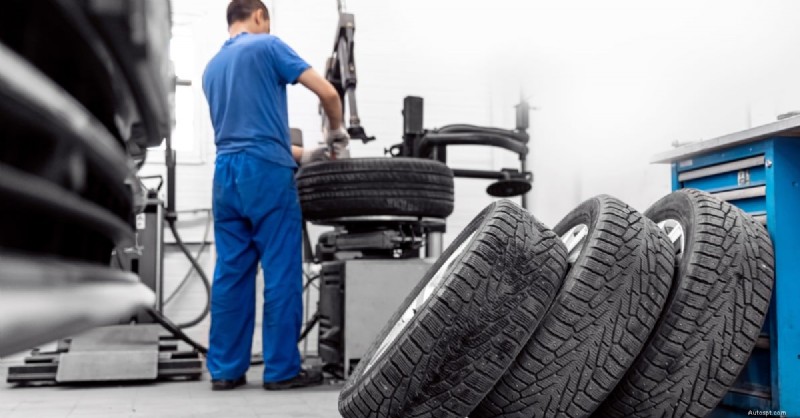
It’s easy to buy auto car tires online, including winter tires, but exactly when should you install them? A good rule of thumb involves using holidays as markers. For many regions, Thanksgiving serves as the perfect reminder. The weather usually turns consistently cold by late November. Getting your tires on before the holiday rush saves you headaches. Shops get quickly slammed in December. You might wait weeks for an appointment if you delay.
Halloween can work as a marker for those in far northern climates or high elevations. If you live in the mountains, October might already bring freezing nights. Monitor the forecast closely. If you see a string of days with highs in the 40s, book your appointment. It is better to be a week early than a day late.
Owning two sets of tires requires a plan for the off-season set. You have a few options. Some people mount winter tires on a second set of wheels. This makes the swap much easier and faster. You pay for the wheels once, but you save on mounting and balancing fees every season. It also protects your preferred alloy wheels from salt and curb damage.
Store your off-season tires in a cool, dry place away from direct sunlight. Bags help keep them clean and protect the rubber. If you lack garage space, many tire shops offer storage services for a fee. They keep your tires safe and ready for the next swap. This adds convenience if you live in an apartment or condo.
Before you mount those tires, check their condition. Tread depth is vital for snow performance. A winter tire needs more tread than a summer tire to be effective. Look for the "snowflake" wear bar in the tread. If the rubber is worn down to that indicator, the tire has lost its snow capability. It might still work on dry roads, but it won't bite into snow.
Check the dates on the sidewall. Tires degrade over time, even if they have tread left. Rubber dries out and cracks. If your winter tires are more than six years old, have a professional inspect them. Hard, old rubber won't grip the ice, defeating the purpose of the swap.
Look for uneven wear patterns. This could indicate alignment issues with your vehicle. Fixing the alignment prevents you from ruining your winter investment. Check for any nails or screws that might have been unknowingly picked up last season. It is much easier to patch a tire before it goes on the car.
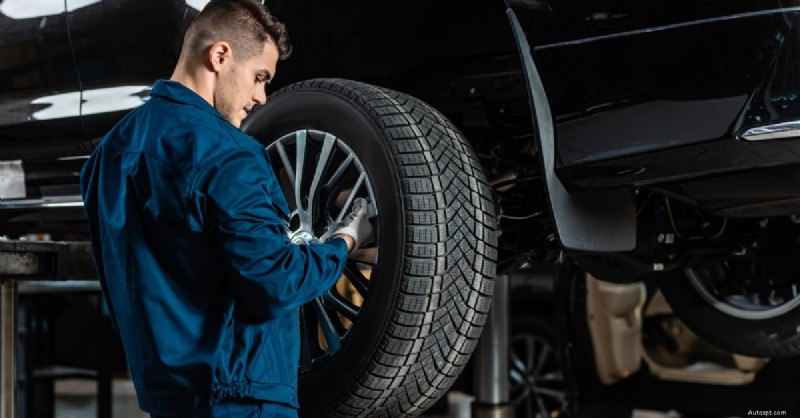
Once you decide to make the switch, schedule it. Don't wait for the forecast to predict snow. Beat the rush. Check your tire pressure regularly once the cold sets in. Air contracts in the cold, dropping your tire pressure. The result is worse handling and fuel economy.
Pack a winter emergency kit in your trunk. Include a blanket, flashlight, small shovel, and some non-perishable snacks. Winter tires greatly reduce your chances of getting stuck, but preparation never hurts.
Winter driving doesn't have to be a white-knuckle experience. With the right equipment, you can navigate the cold months with confidence. Remember that temperature informs the switch, not just snow. The transition to winter rubber protects you, your passengers, and your vehicle.
Identifying when you should put on snow tires for safe winter driving is just the start—now is the time to take the right steps for your car. Make the appointment, swap the rubber, and enjoy the superior grip. You will wonder why you ever tried to brave the winter on all-seasons.
