
Your vehicle's wheels and tires work hard every time you hit the road. They handle bumps, potholes, sharp turns, and thousands of miles of wear and tear. Two essential maintenance services help keep them performing at their best: tire rotation and wheel alignment.
Many drivers confuse these services or assume they're the same thing. Understanding the difference between tire rotation and alignment helps you maintain your vehicle properly and avoid costly repairs down the road.
Tire rotation vs. alignment: when do you need each? This question matters more than you might think. Each service addresses different aspects of your vehicle's performance and longevity.
Knowing when your car needs a rotation versus an alignment saves you time, money, and frustration. Let's break down what each service does, why it matters, and how to recognize when your vehicle requires maintenance.
Tire rotation involves moving your tires from one position to another on your vehicle. A technician typically moves the front tires to the rear and the rear tires to the front, sometimes switching sides depending on your vehicle's specifications. This simple process distributes wear evenly across all four tires.
Your front tires handle steering and, in many vehicles, most of the braking force, meaning they wear faster than rear tires. The front tires also bear more weight in front-wheel-drive cars, accelerating wear patterns.
Regular rotation extends the life of your entire tire set by ensuring each tire spends time in different positions. Most manufacturers recommend rotating your tires every 5,000 to 7,500 miles. This maintenance step prevents one or two tires from wearing out significantly faster than the others, which means you can replace all four at once rather than in pairs.
Rotating your tires also helps maintain balanced handling and traction, especially in challenging road conditions or during sudden maneuvers. Sticking to a rotation schedule can improve fuel efficiency, as evenly worn tires roll more smoothly and require less energy from your engine.
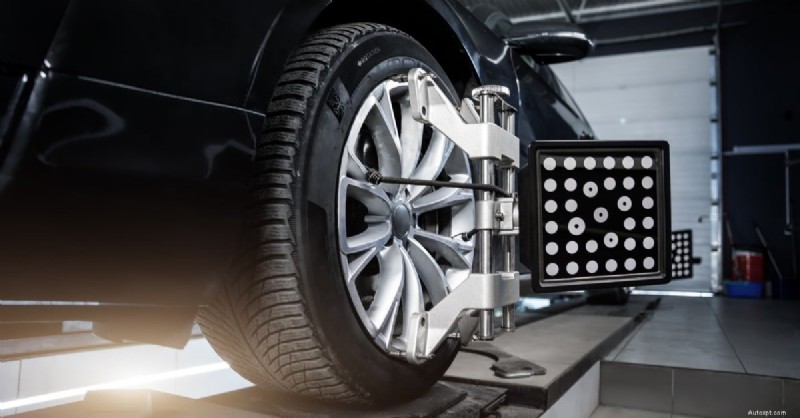
Wheel alignment adjusts the angles of your wheels to manufacturer specifications. A qualified wheel and tire company measures three primary angles: camber, caster, and toe.
Camber refers to the inward or outward tilt of the tire when viewed from the front. Caster measures the steering axis angle when viewed from the side. Toe describes whether your tires point inward or outward when viewed from above.
Proper alignment ensures your tires make optimal contact with the road surface. Misalignment causes your tires to fight each other rather than roll smoothly in the same direction, creating uneven wear patterns, poor handling, and reduced fuel efficiency.
When your alignment is off, your vehicle may drift to one side, making steering harder or less stable. Many things can knock your alignment out of spec: hitting a pothole, bumping a curb, minor accidents, or simply driving on rough roads over time.
Ignoring alignment issues can also put extra strain on your suspension components, potentially leading to more expensive repairs down the line. Addressing misalignment promptly preserves your tires and maintains your vehicle’s handling in all driving conditions.
There are a few clear signs that it's time to rotate your tires. The easiest way to check is to inspect the tread depth on all four tires. Using a penny or a tread depth gauge works well.
If you notice the tread is noticeably deeper on some tires than others, that's a reliable cue for rotation. You might also spot the following symptoms:
Drivers should follow the manufacturer's recommended maintenance schedule for their vehicle. Sticking to a regular rotation schedule prevents uneven wear before it becomes a problem.
Many service centers offer free rotation with tire purchases, making it convenient to maintain this schedule. Commonly, folks rotate their tires when they have their oil changed. Consider marking your calendar or setting a reminder based on your odometer reading.
You can often spot misalignment by the way your vehicle handles. If your steering wheel pulls to the left or right while driving on a straight, flat road, that's a common sign. Another clue is if your steering wheel isn't centered even when you're driving straight. These are clear signals your alignment needs attention.
Tire wear patterns from misalignment look different from those from rotation-related wear. Misaligned vehicles cause feathering, in which tread ribs develop a sawtooth appearance.
You might notice excessive wear on just the inner or outer edge of a tire. Your tires might squeal when turning corners at low speeds. Some drivers notice their vehicle feels less stable or responsive during turns. Your fuel economy might decrease because your tires create more rolling resistance.
Any impact with a curb, pothole, or debris warrants an alignment check, even if you don't notice symptoms immediately. Ignoring these signs may result in uneven tire wear and compromise your ability to steer safely during emergencies. Promptly addressing alignment issues can help you avoid costly repairs and maintain a smooth, predictable driving experience.

Tire rotation and wheel alignment complement each other as part of comprehensive vehicle care. Think of rotation as preventive maintenance and alignment as corrective service.
Regular rotations extend tire life and maintain consistent handling. Proper alignment ensures your tires wear evenly between rotations. Getting both services at the appropriate intervals maximizes your tire investment and keeps your vehicle safe.
Many drivers schedule alignment checks when they rotate their tires, although you don't need to check alignment as often. A good rule of thumb: rotate your tires every 5,000-7,500 miles and check alignment annually or after any significant impact.
If you install new wheels or tires on your vehicle, it's essential to have the alignment checked and adjusted if needed. New tires on a misaligned car will quickly develop uneven wear, wasting your investment.
Tire rotation vs. alignment is no longer a source of concern or confusion as a driver. Now you know what to do and when and can properly care for your vehicle with confidence!
