
Brakes are one of the most vital components of your car. That means when something goes wrong, it can lead to costly repairs, reduced performance, or even potentially dangerous situations on the road. While modern brake systems are designed to be highly durable, that doesn’t mean they’re infallible. To ensure you avoid any of these negative issues, you should familiarize yourself with this list of the most common braking mistakes known to damage vehicles.
Riding the brakes is more common than you might think, especially when driving downhill or in stop-and-go traffic. When you know braking is inevitable, you’re more likely to rest your foot gently on the brake pedal, creating constant contact between the brake pads and rotors. This might seem harmless at first, but it causes continuous friction that can cause your brakes to overheat.
Even though most brake pads will handle the heat, when the rotors get too hot, they can warp, causing them to lose their smooth, flat surface. A warped rotor significantly reduces braking performance and often leads to vibration when you press the pedal. The fix? Learn how to engine brake on steep descents and leave adequate space between you and the car ahead in traffic to reduce unnecessary braking.
Slamming on the brakes is one mistake that many drivers are familiar with, but just as many are guilty of. Whether it’s due to distracted driving or simply being in a hurry, hard braking will always lead to premature brake system wear.
Every time you brake hard, the pads undergo intense friction and heat, accelerating their wear. This pressure then puts additional stress on the rotors, reducing their lifespan. Not to mention, excessive hard braking can increase the risk of brake fade.
Brake fade occurs when the braking components overheat and temporarily lose their effectiveness, leaving you with little stopping power in critical moments. The key is to anticipate your stops. Look ahead, adjust your speed, and brake smoothly whenever possible.
Loud brake noises are your car’s way of telling you something is wrong. Whether it’s a high-pitched squeal or a harsh grinding sound, unusual noises often signal trouble. Drivers who ignore these sounds risk letting minor issues turn into bigger, more expensive problems.
For instance, squealing often occurs when worn-out pads or debris get caught between the rotor and pad. Grinding, on the other hand, indicates the pads are so worn that their metal backing plate is cutting into the rotor. This quickly ruins the rotor’s surface and will require you to replace both pads and rotors. Either way, when you hear something, be sure to take the time to inspect your brakes or have a professional look at them.
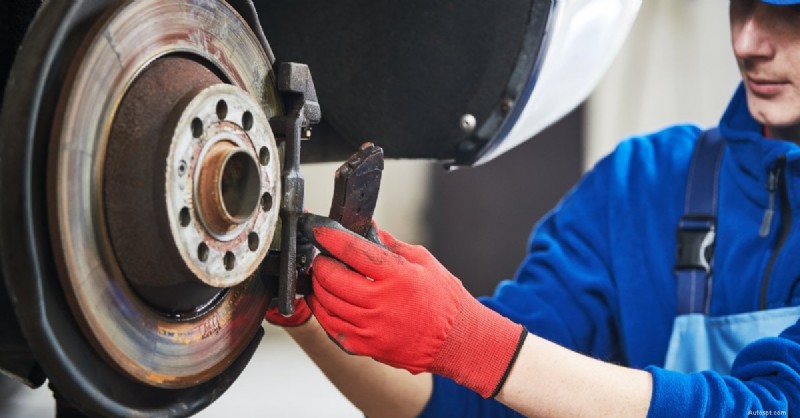
Your brakes work hard to slow your car down at every light, intersection, and turn. As a result, they rely on routine maintenance to stay in optimal condition, but many drivers skip this essential care. Neglecting scheduled inspections and replacements can lead to all kinds of preventable damage.
Take brake pads, for example. If you don’t replace them once they hit their minimum thickness, they’ll lose their effectiveness and begin eating into your rotors. If your pads are fine and it’s the rotors that are damaged, then you need to replace the rotors before they tear up your brakes.
On top of that, brake fluid is known to absorb moisture over time, which reduces its boiling point. Without periodic fluid replacement, your brakes might not perform as well as they should during sudden or hard stops. Make it a habit to follow your vehicle’s maintenance schedule and address minor issues before they become major ones.
Not all brake pads work the same way. Using pads that are incompatible with your vehicle’s braking system can cause more harm than good. For example, many people praise ceramic brake pads for their long lifespan and quiet operation, but they aren’t always right for every brake system. The reason for this is that they transfer more heat to the rotors during braking, which can accelerate wear over time. So if you decide to upgrade your brake pads, be sure to upgrade your rotors as well.
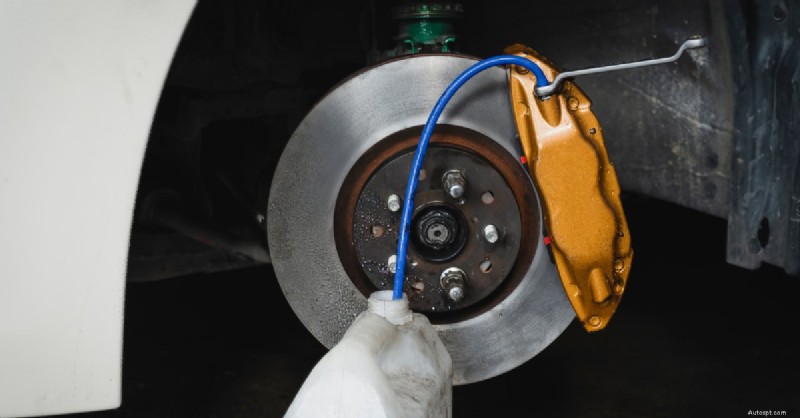
When replacing brake components or even during regular maintenance, bleeding the brake line is an essential step that many people may overlook. This process removes air bubbles that may have entered the brake system over time. Since air is compressible, if it’s in the system, your brake pedal may feel soft or spongy when pressed.
Failing to bleed the brakes properly means inconsistent braking performance and reduced stopping power. That means having too much air in the lines can make your brakes unreliable in emergencies, which could lead to all kinds of vehicle damage.
While not overly common, corrosion, dirt, or a lack of lubrication can cause brake pads to stick to the calipers. When this happens, the pads remain engaged with the rotors even when you aren’t braking. The result of this is uneven and excessive wear on both the pads and rotors.
A stuck brake pad forces the brake system to work continuously, which can lead to overheating and may eventually cause complete failure of the affected components. You might notice your car pulling to one side or a burning smell if this issue occurs. Thankfully, regular inspections and cleaning can catch this problem early, sparing you the hassle and expense of major repairs.
Too many drivers ignore Anti-Lock Braking System (ABS) lights because these lights may seem less urgent than others. However, when the ABS warning light comes on, it means the system may not be working properly. And since ABS plays a critical role in preventing wheel lockup during sudden stops or slippery conditions, you’ll want to make sure you have access to it when needed.
Common issues that trigger the ABS warning light include faulty wheel speed sensors, debris buildup, or electrical problems. While not all these issues are urgent, you’ll still want to address them to avoid potential accidents that could occur if they’re not functional. A quick diagnostic check can reveal what’s wrong and get your ABS back in working order.
While overheating itself is a problem, what’s even worse is rapid cooling. Many drivers unknowingly make overheated brakes worse by driving through water or manually cooling them too quickly.
When rotors are hot, sudden exposure to cold water can cause them to warp or crack due to the rapid temperature drop. This significantly reduces their effectiveness and lifespan. To avoid this, give your brakes time to cool naturally. If you’ve been braking heavily, park your car in a safe spot, and allow the heat to dissipate before continuing your drive.
While the braking mistakes we mentioned can damage various parts of your vehicle, it should be evident that your brake pads suffer the most from these issues. If your brakes have reached the point of no return, then replacing them will be essential to continue driving safely on the road. That’s why you should take the time to browse our selection of quality brake pads for sale, and figure out which ones will work best with your car.
