
Selling your car yourself can be easy and profitable, but you need to protect yourself at every step. Each sale is unique, but being prepared for all possibilities along the way will help keep you safe. Always be sure to check the laws and regulations in your particular state. Whether you’re selling independently or with the help of Kelley Blue Book’s Private Seller Exchange, here’s how to make a private sale safely and smoothly. Expand each step to read our detailed advice.
When selling your car yourself, refuse any unusual requests, such as driving the would-be buyer to another location. Often, such a request is framed to obtain money or arrange a loan to complete the sale. Instead, let the buyer make their own arrangements with the service. Then, you can ask the person to contact you when ready to conclude the sale.
Prepare the paperwork beforehand and keep the car’s title unsigned and out of sight, even if using the Private Seller Exchange service. If not using the Private Seller Exchange service, be sure the form of payment is legitimate. Stick to well-known payment options, like a cashier’s check.
Touchless payment options like Zelle, PayPal, Venmo, or CashApp may also be available, depending on vehicle cost. These online payment services allow users to send and receive funds directly and securely without exchanging bank information. However, limitations on transaction amounts may prevent using these platforms as the only payment method when buying a car.
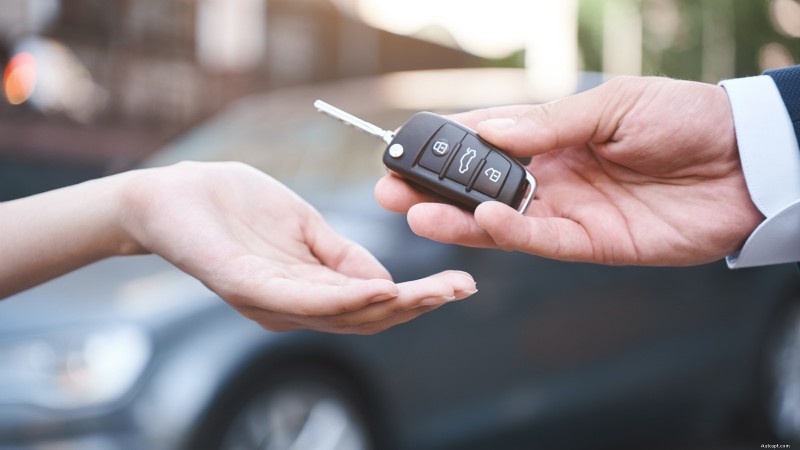
Beware of fraudulent escrow services. Private Seller Exchange handles fund transfers through a secure escrow service.
However, if selling peer-to-peer and not using the service, an escrow service holds the buyer’s payment for a fee until the seller has delivered the item purchased. Such a third-party service can protect both parties from fraud. However, scammers often set up fake escrow services. For example, they claim an affiliation with well-known companies like Kelley Blue Book and TRUSTe to create a sense of security. Kelley Blue Book, however, does not endorse any escrow services, and TRUSTe does not operate an escrow service.
Tips Before You Agree to an Escrow Service
If any escrow-related email or website implies an affiliation with Kelley Blue Book by displaying our logo or by other means, report it to KBB.com and law enforcement.
Here’s what you can expect when selling a vehicle on Kelley Blue Book’s Private Seller Exchange.
PRO TIP: To complete a sale or purchase using the Private Seller Exchange, both seller and buyer must first complete and pass ID Verification. It’s best to do that before meeting to speed up the sale.
Before you hand over any service records to the buyer, be sure to block out any personal information. Using a black permanent marker, you can cross out vital information you do not want public. If you originally bought the car from a dealer, remove any contracts or completed credit applications from your glove compartment or owner’s manual. In the wrong hands, this is a perfect tool for identity theft, as it may contain your social security number and previous address information.
The internet is a fantastic tool, but it can also invite scams and fraud, just like in-person transactions can. If you have questions or suspect fraud or scams when selling a car yourself, please email cai.fraudwatch@coxautoinc.com. Or call the Fraud Prevention Team at 1-877-210-5209.
You can also check out our tips below for avoiding scams and fraud.
Kelley Blue Book investigates submitted reports to protect our customers against future fraud. We support law enforcement agencies in prosecuting internet criminals and work diligently to prevent fraud.
No foolproof way to prevent fraud exists, but awareness can be your best defense. Review our tips below and use your best judgment in all transactions.
TIP #1 — Beware of email requests for personal or financial information.
Online fraud often begins with a scam email requesting financial information. These emails, also known as spoofs, often impersonate a reputable company, such as Kelley Blue Book, by illegally displaying a company’s name, logo, or trademark.
The intent is to deceive customers into revealing information such as:
The only time Kelley Blue Book, or KBB.com, will ever request your credit card information is when you’re purchasing a listing on our website. We will not threaten to remove your listing because you don’t provide account information. If you receive an email asking for the information listed above, don’t respond. Instead, report the email to us; if it’s fraudulent, report it to law enforcement.
TIP #2 — Beware of emails implying Kelley Blue Book, or KBB.com, is selling, buying, shipping, or warehousing vehicles.
We don’t own, buy, sell, warehouse, or ship vehicles listed on our site. Simply put, we help facilitate transactions between buyers and sellers.
Any email that requests a deposit or payment for a transaction or shipment of a car stored in a KBB.com warehouse is a scam. KBB.com doesn’t own a vehicle warehouse, and we don’t ship cars. Many reputable warehousing and shipping services can make long-distance transactions easy. Just be sure to check out the services proposed on your own.
If you receive an email implying we’re selling or buying a vehicle, or a seller recommends a bogus warehousing or shipping service, please report it to us and law enforcement.
TIP #3 — Beware of requests for payment to enter sweepstakes.
KBB.com may offer promotional contests occasionally, but we do not require payment to enter a sweepstakes or to claim a prize. If you receive an email that claims we’re holding a promotional contest or sweepstakes, check our website for accurate information. If you don’t get confirmation from us that we’re hosting a contest, don’t participate.
Don’t click any links embedded in email messages. A link may look correct, but its code could take you to a different website. Copy and paste a link into your browser’s address bar.
If you’ve received a fraudulent email involving a promotional contest, report the email to Kelley Blue Book and law enforcement.
Editor’s Note: We have updated this article since its initial publication. Renee Valdes contributed to the report.
