
In the sweltering days of summer, turning on the air conditioner is likely the first thing you do when entering your car. Nothing beats the sweet relief of pushing your face toward the car air conditioner vents as chilled air starts pouring into the cabin. You may even sigh as you temporarily escape an atmosphere so full of humidity you swear you could wear it.
You’ve probably never stopped to think about how car air conditioning works. What’s going on mechanically to get that gloriously cool breeze flowing over your cheeks? Well, it’s actually pretty nifty.
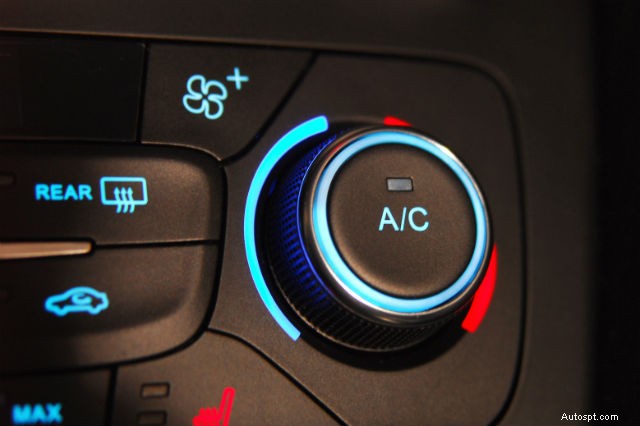
Here’s exactly what happens when you flick the switch to turn your car air conditioner on:
A refrigerant cools or freezes something. A refrigerant called R12 was the most common type used in air conditioning for cars for decades. The Environmental Protection Agency banned it 20 years ago because of concerns over potential harm to the ozone layer. Its replacement, R134A, is now facing a similar fate. The EPA is calling for it to be phased out in vehicles over the next several years in favor of more environmentally friendly substances.
Many drivers have their systems charged because of a leak in a seal or line, or in a major component such as the compressor, condenser or evaporator. Some technicians run colored dye through the system to identify potential trouble spots.
AC charge kits are pretty common. Be careful not to overcharge the system by adding too much refrigerant, which can have the same impact as not having enough of the chemical. Be sure to follow the directions that come with each kit.
A vehicle’s recirculation cycle uses already refrigerated air from the cabin and runs it through the air conditioning system once more. While this might seem like a way to get even colder air, it’s a good idea to use your fresh air cycle. Doing so can limit the potential for mold buildup in the system.
Need your car air conditioner fixed? Be sure to bring your car to a AAA Approved Auto Repair shop.
For all things cars, including driver resources, vehicle buying, maintenance and repair and roadside assistance, click here.
Last updated on November 10, 2025 by AAA Staff
