
The water pump is an integral part of your car's cooling system. It pumps water through the engine to keep it cool, which is especially important if you're driving in hot weather or hills.
The pump has a finite life span and eventually needs to be replaced with a new one. However, the question of when you need to replace your water pump isn't as simple as it seems – many factors go into making this decision!
This article provides you with 8 common signs of a faulty water pump. Once you notice any of these signs, you'll need to replace the water pump immediately.
The water pump is an integral part of your car's cooling system. It pumps water through the engine to keep it cool, which is especially important if you're driving in hot weather or hills.
A faulty water pump can lead to several overheating and eventual engine failure. So you must replace your water pump if you notice any of the symptoms listed below.
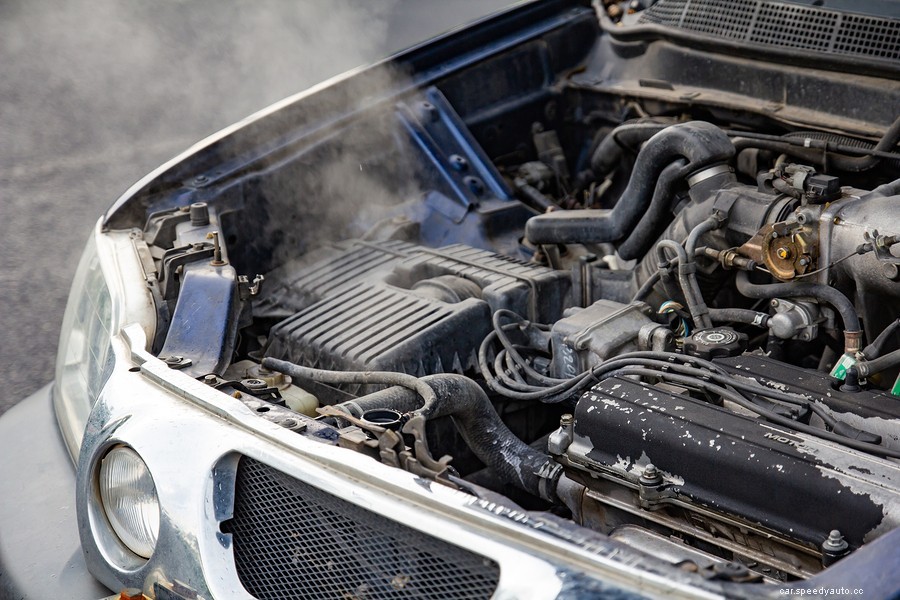
The symptoms of a faulty water pump are pretty easy to spot. Some examples include:
this is especially common if it's leaking near the front or underneath your car.
If you see coolant leaking in any of these areas, there is a good chance that your water pump is faulty.
One of the reasons for this symptom is that there isn't enough coolant to keep the engine running – but another reason could be because the water pump isn't circulating coolant through the engine.
this is especially common if the bearings are worn or damaged.
Bearings go bad as part of the natural wearing process, but they will become worse over time and eventually need to be replaced – which means that you'll need to replace your water pump.
A leak here means that there's a good chance your water pump has sprung a hole.
You can test this by putting some food coloring in your radiator and waiting for it to show up in the expansion tank – if you see colored water, it means that your entire radiator will need to be replaced.
One of the most obvious signs that your water pump is faulty is when your vehicle's temperature gauge goes into the red zone.
Remember, if you see this happening, pull over and turn off your car as quickly as possible! If you keep driving with a faulty water pump, you could cause significant engine damage.
If you see a large puddle of green or orange-colored liquid under your car, there's a good chance that it's leaking from the water pump. In this situation, you'll need to have your entire radiator replaced as well.
If the belt isn't rotating correctly, it could mean that your water pump is faulty and needs to be replaced.
If you notice a puddle under your car and it seems to be coming from the radiator or hoses, this could be a sign that your water pump has gone bad.
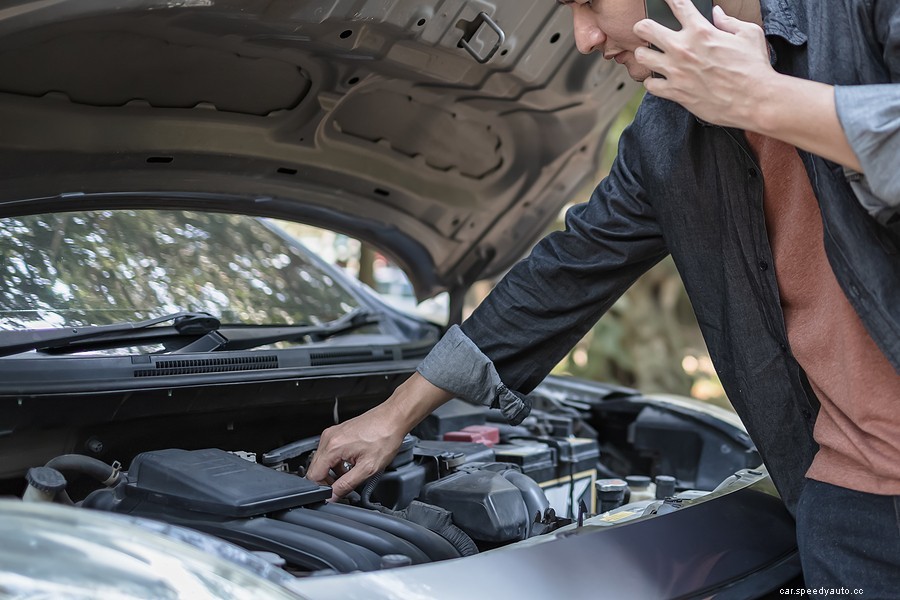
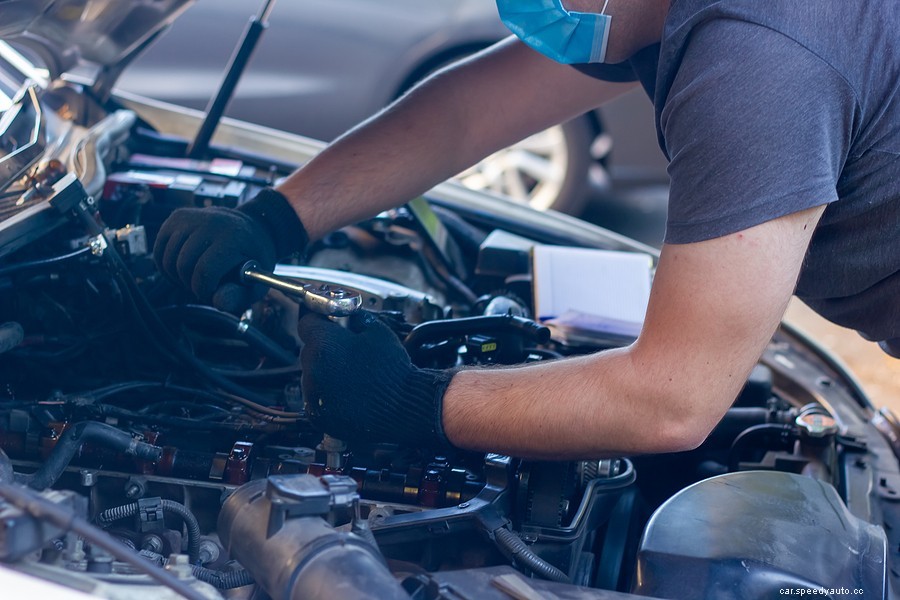
Even though it's a fairly simple task, replacing a faulty water pump is a job that should be left to a professional mechanic.
It normally takes under an hour for a skilled mechanic to remove and replace the faulty pump, so there is no reason not to have it done as soon as you notice any of the signs listed above.
If you attempt to do it yourself, not only could it result in significant engine damage – but the belt could also slip off and fly into other parts of your car!
If you feel ready to replace it yourself, you can follow these steps:
If you are still unsure about how to replace your water pump or if you notice any of the signs listed above, take it to a mechanic right away.
An expert mechanic will have all of the parts needed for this job on hand and can do it quickly and easily!
Water pumps are relatively durable components.
They can last anywhere from 80,000 to over 200,000 miles before needing replacement – but if you notice any of the warning signs listed above, it's time for a new one.
Some culprit is causing the water pump to fail prematurely, including:
here are the common causes for water pump failure:
One of the most common reasons for a water pump to fail is a loose belt.
Belts stretch over time, so they need to be checked regularly.
If you notice any loose belts, get them fixed right away!
Other things that can stretch the belt are air conditioner components and alternators – but these parts aren't typically serviced until they fail.
If your belts seem worn out – get them replaced or fixed before it's too late!
Another common cause of water pump failure is overheating.
If you're letting your car idle for extended periods – even in cold weather, this can damage the water pump and drastically shorten its lifespan. So it's best to turn off your engine if you're going to be sitting somewhere – even if the weather is cold.
If you notice any leaks around your water pump, it's time to get it replaced! One of the most common reasons for a leak is rust or corrosion that builds up over time – but this can be prevented by flushing your cooling system every two years.
If you notice any leaks, take it in right away and save yourself the headache of having to replace your water pump – or worse.
Another reason water pumps tend to go bad is constant starts and stops.
If you only drive short distances and stop frequently, this can stress the pump – especially if there is a leak or other problem.
For optimal performance, it's best to drive long distances at least once or twice per week.
It's also important to keep an eye out for leaks while driving if your water pump needs to be replaced.

Although the water pump will fail one day once it reaches the end of its lifetime, there are some tips you can implement to extend the life span of the water pump, including:
follow these tips to extend the water pump:
When you do a tune-up, make sure to check the condition of the radiator and water pump to prevent an early failure.
It's not good for your engine, and it could also damage the water pump.
Let your engine rest for a few minutes before turning it off to avoid overheating.
When you park, ensure that there is some airflow into the engine bay and that no parts are obstructed – this will keep the water pump working correctly if it's in an optimal position.
This will prevent any gunk from building up around the water pump and radiator.
This section answers the most frequently asked questions about a faulty water pump.
Yes, a water pump can be bad without leaking.
When the water pump begins to wear out, it should cause some obvious signs that are listed above – however, if that doesn't happen for whatever reason, you may not know until it starts causing problems elsewhere in your car.
You will notice a loss of coolant due to a leaking pump – however, if your car is not leaking, your water pump isn't working.
A water pump with a bad bearing or is about to fail will create a loud rattling noise.
It depends on your make and model.
However, if you go to a mechanic for a timing belt replacement, they will replace the water pump simultaneously.
A failed water pump is when your car's water pump stops working.
It can be a minor or major failure depending on why the water pump is not working correctly.
It takes an experienced mechanic around 1-2 hours to replace a water pump.
It's unnecessary to replace anything else; however, you should check your belts and hoses as replacing these parts simultaneously as your water pump is less expensive than if they fail later on.
Yes, faulty water pumps can cause a check engine light depending on the water pump's failure.
You will notice your car starting to overheat, or it may even cut out completely.
If this happens while driving, pull over and allow the engine to cool before turning it back on again.
You shouldn't drive your car if you've noticed any signs of a faulty water pump.
Allow the car to sit for at least 30 minutes to an hour before driving it again.
You shouldn't need to idle the car for very long.
If you have to drive your car within an hour after replacing the water pump, then allow it to idle for around 5 minutes before driving off.
Water pumps typically last around 70,000 miles before they start to leak. However, you should replace it as soon as you notice a leak.
A faulty water pump will trigger error code P0087. This code can be read by a mechanic using an OBD2 scanner.
It means that your car's water pump bearings have been worn out and that it needs to be replaced.
If you're noticing any of the signs of a faulty water pump, it's important to take your car in for a diagnosis and repair as soon as possible. A water pump that is not working correctly can cause extensive damage to your engine, so it's best to nip any problems in the bud.
In this article, we've outlined some of the most common signs that indicate a water pump needs replacement. We've also answered some FAQs about water pumps and what to do if they start failing.
