
If you find yourself sitting in your car with the windows open on a hot day, you might want to consider a new radiator fan. A radiator fan is an important part of your vehicle's cooling system, and when it fails, your engine can overheat.
The radiator fan is not designed to last forever. It has a lifespan of about 10 to 15 years. When it starts to die, you'll notice that the fan doesn't blow as fiercely as it used to, or it doesn't run at all. This can be dangerous because as your car starts to heat up, the fan should kick on, but the engine can still overheat if it doesn't.
This article provides you with all you need to know about “How To Know When It's Time For A New Radiator Fan.”
A cooling fan is a component of your car's engine. This part of the engine is called the radiator (not to be confused with the air conditioner). The radiator is designed to dissipate heat from the engine. When your car's engine becomes too hot, it signals the cooling fan. The fan kicks on and cools off the radiator, so your vehicle doesn't overheat.
Radiator fans come in one of two designs: electric or belt-driven. An electric fan is connected to the engine through a cooling fan motor. The belt-driven fan is connected to the engine through a serpentine belt.
Electric fans are more common on older cars or certain types of engines. However, belt-driven fans are more frequently used on larger vehicles, such as pickup trucks and SUVs, because they have greater cooling needs.
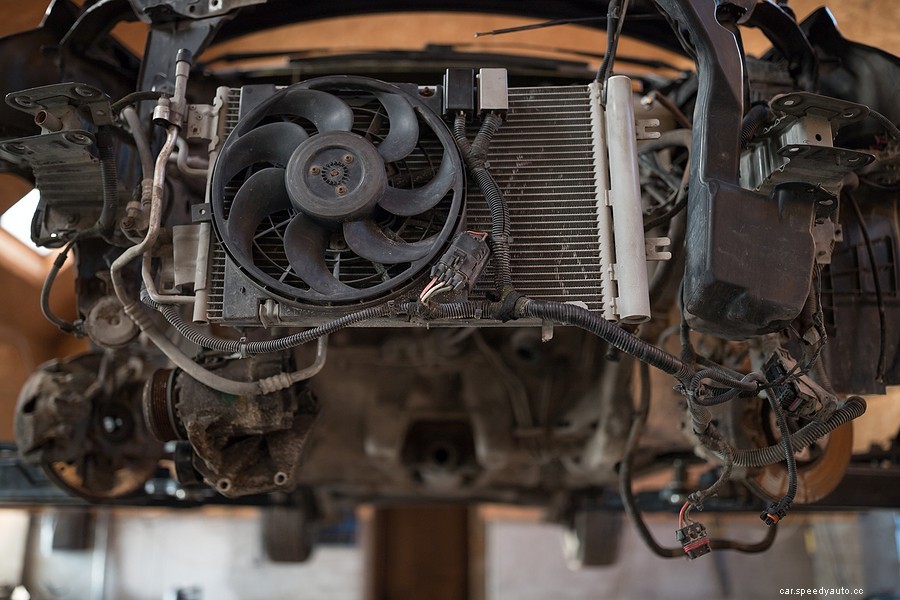
Unfortunately, there's no way to tell how long a cooling fan will last. The life of a radiator fan is dependent on the following factors:
Vehicle make and model Temperature your car runs at How well you maintain your cooling system
These factors don't affect the radiator fan directly, but they can contribute to how fast it degrades. A vehicle that runs in extreme conditions will require more frequent radiator fan replacements than a vehicle used in moderate climates with proper maintenance.
Since there is no clear threshold for when to replace the radiator fan, as a driver, you need to familiarize yourself with the common symptoms indicating your radiator fan is failing. Let's take a closer look below at some of these symptoms:
Your radiator fan is an integral part of your vehicle's cooling system. If you begin to notice any problems with this element in your car, it could signify that the radiator fan has failed and needs to be replaced.
If your engine begins to overheat, it could be a sign that your radiator fan is no longer running. The overheating can cause damage to your engine, so you'll want to have the cooling system checked as soon as possible.
If your radiator fan isn't turning on, there's a good chance something has gone wrong with the motor or wiring that controls the electric version of this component. You shouldn't delay inspections or repairs if you notice this symptom because problems will only worsen over time.
Your vehicle should begin to cool off within five minutes after shutting off the engine and opening the doors (if not sooner). It takes longer than usual for your car to cool down; it may be a sign that your radiator fan needs to be replaced.
If you notice any unusual vibrations or sounds coming from the front of your vehicle, it could indicate that you have a faulty radiator fan. You'll want to get this checked right away, so you don't damage other components within the engine.
If you happen upon noticeable chunks or pieces of metal in the vicinity of the cooling fans and hoses, there's a good chance the deteriorating radiator fan blades deposited them. This means you need to immediately replace this component before it causes additional problems with your vehicle's performance and safety.

The cost of a radiator fan replacement largely depends on the make and model of your vehicle, as well as your mechanic's rates. Generally speaking, you can expect to spend anywhere from $150 to $500 for a radiator fan replacement.
This range might differ depending on your vehicle's type. For example, automotive electric fans cost more because they're composed of different materials and parts than belt-driven cooling systems.
Always have a trained professional diagnose the problem if you notice any irregularities with your cooling system. Your car manufacturer has diagnostic tools for this, so you may want to consult their experts.
One of the very common questions we receive is, “should I replace the radiator fan myself or take it to a professional?”
The answer to that question is yes. The right answer will vary depending on your situation. If you are experienced in automotive repair, replacing the fan yourself could save you hundreds of dollars in labor fees. This option may also be cheaper if you have a vehicle with an electric radiator fan. If you have the special wrenches required for accessing this component and your car's fan is not too difficult to replace, fixing it yourself could be a good choice.
If you don't have the tools required for this kind of work or are not knowledgeable about automotive repairs, taking your radiator fan in for professional replacement would likely be the safer bet. Repairing your cooling system can be more complicated than people realize. For example, if you have an electric fan, there are wires, and a computer module can make the process complicated.
If you're unsure about replacing your radiator fan, you can always enlist the help of a friend or family member who knows a thing or two about car repairs.
In general, what you're looking for is quick and efficient results. IFor example, if your cooling system isn't working properly anymore, and your radiator fan needs to be replaced, you'll want to get this task done as soon as possible after discovering the problem.
Since this part is a crucial component of your vehicle, the sooner you have it repaired or replaced, the better. If you experience overheating while driving, it can pose major safety concerns for you and your passengers.
Don't wait until your engine is boiling over or starts to smoke. If your radiator fan needs to be checked or repaired, make sure you address this problem as soon as possible.
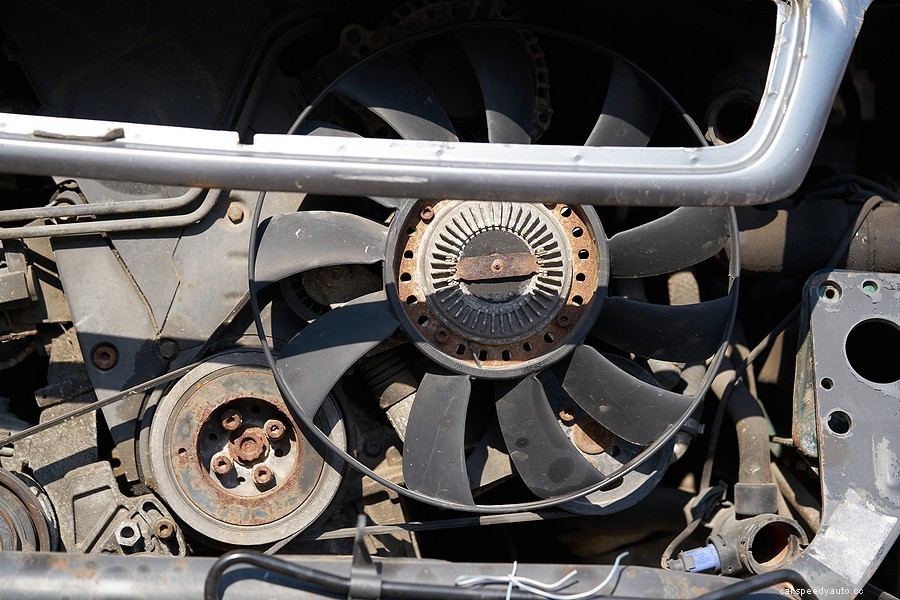
The most obvious benefit is the improved performance your engine will deliver. For example, a radiator fan in working order will circulate coolant through your engine more effectively than one that is worn out or broken.
This smaller, more intricate component also drastically reduces the chances of overheating your engine. With a working radiator fan, you will find yourself without problems like the engine running hot, smoking, and ultimately breaking down.
Professional mechanics can discover other benefits of replacing this part on your car beyond the cooling system's efficiency. For example, they may notice leaks or cracks in your electrical wiring or connections while checking out your cooling system and suggest that these issues be repaired as well.
If you're thinking of taking on this task yourself, there are a few things you'll need to buy before the work can begin.

Suppose you're experiencing any of the following symptoms. In that case, it's time to replace your car's radiator fan: loud noises coming from the engine, difficulty starting the car, or a sudden loss of power. It's important to note that these are just a few of the many signs that could indicate a faulty radiator fan.
So if you're unsure whether or not your car needs this particular repair, it's always best to consult with a professional mechanic who can take a look at your vehicle and let you know what steps need to be taken next.
