
There are many reasons for a check engine light to come on, but poor fuel quality is never one of them. The only time the check engine light will turn on due to an issue with your fuel pump is if it's not working properly.
If you're experiencing issues with your car that point to the fuel pump, then contact a mechanic as soon as possible because they'll be able to fix the problem and get you back on the road in no time.
This article provides you with detailed information about whether a bad fuel pump can trigger a check engine light or not. Furthermore, we'll also provide you with helpful tips and suggestions on what you can do if your car's check engine light is triggered for this reason.
The fuel pump is an essential part of the engine because it supplies the engine with gasoline to run smoothly. The pump draws fuel from the fuel tank and then pumps it directly into the engine, where the gas lines fitted inside every single part of your car's engine are there to do their job.
Your car may be able to operate without any problems if the fuel pump is broken or if it's not working properly. However, in most cases, when this happens, your car will begin to misbehave and may even stop starting because there won't be enough gas for the engine to keep running.
A faulty or malfunctioning fuel pump won't trigger your car's check engine light because the only way for this to happen is if there's an issue with the gas lines. The problem will usually be dirty gasoline, poor quality gasoline, or other issues that might cause your car to experience misfires.
However, if you suspect that your car's check engine light is on due to another reason apart from the fuel pump not working properly, then don't hesitate to contact a mechanic as soon as possible. They'll take care of the problem and will be able to give you some useful tips on how to keep your car in good shape so it can continue to run smoothly for years to come.
When the fuel pump is not working properly, your vehicle will show some symptoms that will let you know something is wrong. These symptoms may include:
There's a noticeable loss in engine power, and it may even stall or stop running altogether.
It takes longer than usual for your car to start, and it doesn't sound as smooth as it usually does when the engine starts.
You may notice that your gas tank is lower than it usually is when you fill-up.
It takes longer for your car to reach top speed, and you have to press the gas pedal down further to get the car moving faster.
The sound can be very loud, especially if there's no more power being supplied to the engine even though you're pressing on the gas pedal.
This can indicate a problem with your fuel pump or some other part of the fuel system.
If this happens, definitely take your car in for repair immediately because the fuel pump isn't working properly.
This could also be a sign of an issue in your car's fuel delivery system, and in most cases, this is due to a damaged or faulty fuel pump.
You may notice liquid under the hood if there's a leak coming from the location where the fuel pump is installed.
Your car's fuel pump doesn't usually last forever. It can start wearing out after just 25,000 miles or so. However, even though this part tends to wear out fast in some cars, other models use durable and reliable fuel pumps.
According to some estimates, the car's fuel pump may start wearing out and need replacement after 40,000 miles or three years in some cases. However, it can also last for up to 60,000 miles before replacing other cars. Of course, mileage and usage will vary depending on your driving habits and how you care for your car.
The important thing is that when you notice any of the signs listed above (especially if your check engine light comes on), then it's best not to ignore them because this could potentially lead to serious problems with your engine if you do. Instead, take your car in for repair immediately so a professional mechanic can check everything out and determine what the problem might be.
here are the ten causes of a bad fuel pump:
A damaged or leaking fuel line that has allowed dirt and grime to get into the fuel pump's internal parts may cause it to stop working properly.
This problem may also be caused by a defective thermostat that's not opening up when it should or because of debris in the radiator.
If the float gets stuck at any point during its movement, then this could lead to one or more problems with the car's fuel pump.
A faulty check valve may cause the fuel pump to fail due to a lack of prime because it doesn't allow any passage of fuel back into the tank even when there's pressure in this line.
A worn-out spring or a stiff diaphragm on the plunger assembly can cause a varying amount of vacuum inside your gas tank, which will prevent your car's fuel pump from working properly.
Damaged wire connectors, loose electrical terminals, and corroded wiring harness If these parts are damaged, they could affect how well electricity can flow through all of its components, including the fuel pump.
An air leak in the system may cause low pressure, which means that the car's fuel pump won't generate enough pressure for proper operation. A defective check valve can also prevent the proper flow of electricity through your fuel pump, especially if there are no other problems with these components anywhere else in the system.
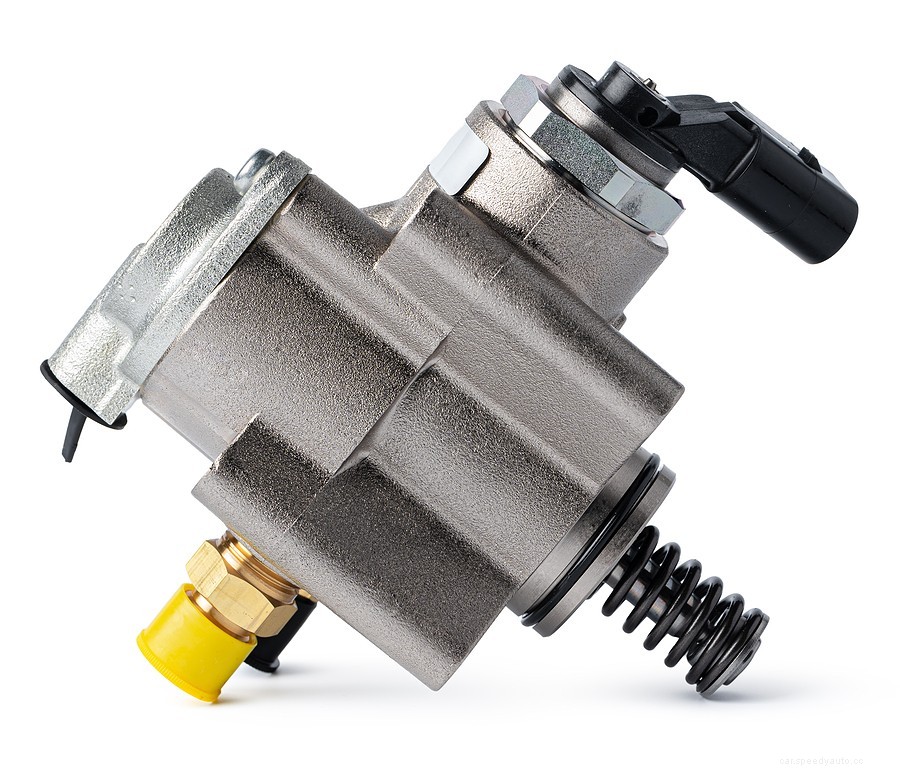
There are quite a few things that could go wrong with an engine if not properly addressed, and luckily, most issues will lead to brief headaches rather than something more serious.
However, some of the problems listed below can become very inconvenient or even hazardous to your safety, so the best thing to
Fuel pump replacement costs about $400 to $500 in most cases. You can also have the problem addressed by a professional mechanic around this price range, not including labor.
You can have your car's fuel pump replaced at home or your garage over several hours, but if you want to have it done right, you should expect to spend at least half a day getting everything checked and repaired.
this section answers the most common questions people ask about a bad fuel pump and check engine light.
For example, can a bad fuel pump throw a check engine light?
Although a bad fuel pump might not directly trigger a check engine light, several codes might be related to a bad fuel pump, including P0300, P0401, U0100, U0101, and what looks like a generic MAF code for a bad MAP sensor.
A bad fuel pump may not always trigger a code. This is possible when the problem isn't severe enough to stop working completely or when it doesn't cause any changes in the system that a sensor can pick up.
When a car's fuel pump is about to go out, the engine may stall at times, or there might be issues with starting it up. You might also notice that the car is taking longer to accelerate.
A bad fuel pump won't show up on a scan tool, but the device may tell you about some other issues that could affect how well your car is running. You can also have this problem verified by a trusted mechanic during a full inspection of your vehicle before going ahead with any repairs.
A bad fuel pump doesn't have a sound of its own, so if it's not working, you'll likely notice other engine problems, especially when the car is turning on and off or running at idle.
To check your fuel pump, follow these steps:
1. Make sure that there's enough fuel in your car to keep the engine running for at least a few minutes or until you can safely get off of the road.
2. Start up your engine and let it idle while looking for any changes in how loud it sounds, especially when idling from a stoplight or revving the engine.
3. If the car stops running while you're driving, try to restart it and see if it can run a little longer this time around. If your check engine light comes on when you start the car, that's another sign of a serious problem with your fuel system.

To replace a bad fuel pump, follow these steps:
A bad fuel pump can indirectly trigger a check engine light and cause the car to stall or have difficulty starting. Bad fuel pump symptoms include engine noise, problems accelerating, and a check engine light.
You can test for a bad fuel pump by checking if the car has enough power to run, listening for changes in engine sound, and trying to start it when it's stalled. If you suspect that your fuel pump is bad, you will need to replace it.
