
There are a lot of things that can go wrong with a car. One common problem is a misfire, which can be caused by many different things. In this article, we will discuss one potential cause of misfires: a bad fuel pump relay.
We will also talk about how to troubleshoot and fix this problem. So if you’re experiencing problems with your car misfiring, make sure to read this article!
Before we can discuss the effects of a bad fuel pump relay, we first need to understand what a fuel pump does. A fuel pump is responsible for delivering gasoline from the tank to the engine.
It does this by creating a vacuum in the fuel line, which causes gasoline to be drawn into the engine. So if your car isn’t running properly, it’s possible that there’s something wrong with your fuel pump.
On modern vehicles, the fuel pump relay is an electrical component that sends power to the in-tank fuel pump when it’s needed. The need for electricity occurs when you turn on your ignition key and start your vehicle.
When this happens, all of your vehicle’s systems are checked by one or more computers. If they detect an issue or a problem with any of the components, they will disable that component in order to protect it from causing further damage.
This is what happens with the in-tank fuel pump when it receives no power from its own relay upon startup – it is disabled in order to protect itself so that no harm comes to it due to an internal issue within itself.
Sometimes this works just fine but other times there may be an issue within the in-tank fuel pump itself that prevents it from starting when it should. If this is the case, then you may experience an engine that cranks but does not start or starts and almost immediately stalls out after starting.

The fuel pump relay is mounted to the firewall on the inside of your engine bay near your fuse box. It’s typically black in color and has two brass terminal posts on top of it with a round, plastic wiring connector plugged into each one – one for power and one for ground.
The electrical wires leading from these terminals go all the way back to the in-tank fuel pump so if either of these terminals becomes disconnected at their connection points (which they usually do) then no power will be sent to the in-tank fuel pump and it will not be able to start.
Most often, this happens when the plastic wiring connector becomes disconnected from its terminals on top of the relay itself causing a break in your power and ground connections.
If you think that your car’s problems may be caused by a bad fuel pump relay, there are a few things you can do to troubleshoot the problem. First, make sure that the relay is actually causing the problem. To do this, swap the relay with another one and see if the car runs better.
If it does, then you know that the original relay was bad.
If swapping relays doesn’t work, then you’ll need to check for other possible causes of the problem. One common cause of misfires is a faulty ignition coil. So if you haven’t already done so, you should test your ignition coil to see if it’s working properly. You can do this with a multimeter.
If you’ve tested the ignition coil and determined that it’s not the problem, then your next step should be to check the fuel pressure. You can do this with a fuel pressure gauge. If the pressure is too low, then you may need to replace your fuel pump.
In most cases, you can diagnose a bad fuel pump relay with an OBD II scanner. However, some scanners may not be able to detect this type of problem.
If your scanner is unable to find the root cause of the misfire, then take your car to a mechanic and have them do a diagnostic test. It’s likely that they will use a more sophisticated scanner that can detect problems with the fuel pump relay.
In a word, YES. A faulty fuel pump relay will definitely cause problems with the ignition system and the engine misfires. If a bad fuel pump relay causes a misfire that occurs at idle then it can cause rough idling or stalling.
If that’s happening, you could have 3 different issues going on – a bad fuel pump relay, defective wiring harness, or worn-out spark plugs. It would be wise to follow these steps:
If you’ve determined that your car’s problems are caused by a bad fuel pump relay, there are a few things you can do to fix it. First, try replacing the relay with another one to see if that fixes the issue.
If it doesn’t, then you’ll need to replace the entire relay box. This can be a bit tricky, so make sure to consult your car’s manual for instructions.
The fuel pump relay is located under the driver’s side of the dashboard. It is part of your car’s main electrical system and receives constant power from the battery which is then distributed to all electrical components in or on your car.
When you turn on your key to “start” position (not accessory) your fuel pump relay energizes sending 12 volts DC current through the inline connector (between the fuse box and brake fluid reservoir) to the fuel pump which in turn sends up to 20 amps AC current through the in-tank wiring to the fuel pump motor.
If your car does not start (you may hear a click) this is probably because your fuel pump relay has failed.
Open up your relay and check for corrosion or burned contacts. Replace if necessary. To test your current functioning EWD system, unplug the in-line connector between the fuse box and brake fluid reservoir after turning off your engine key switch, when you try to start it again, no power should be getting thru to the fuel pump.
If you’re not comfortable replacing the relay box yourself, then you can take your car to a mechanic and have them do it for you. It should only cost a few dollars to replace the relay box, so it’s definitely worth considering.
The cost to have a fuel pump relay replaced ranges anywhere from $22 to around $38 at most automotive repair shops – typically higher-end ones because they charge more due to their overhead costs since they are located in busy areas or are near large population centers.
This is for a standard-issue replacement that you can get just about anywhere, including places like Pep Boys, Autozone, and Wal-Mart. While this is the “typical” cost, it’s worth noting that some shops may charge higher prices depending on whatever other work needs to be performed on your vehicle at the same time you have your relay replaced.
For example, if any of the fuel lines need to be replaced or repaired while you are having your relay replaced then they will typically tack on an additional cost to cover the labor involved with doing so.
Bad fuel pump symptoms can vary depending on the make and model of your car, as well as how severe the problem is. However, some general signs that you may have a bad fuel pump include:
If you are experiencing any of these problems, it’s best to take your car in for a diagnostic test to find out what’s wrong. From there, you can decide whether or not to replace the fuel pump.
In most cases, a bad fuel pump will not cause any long-term engine damage. However, if the problem is left untreated it can eventually lead to more serious issues like a seized engine. So, it’s important to get your car diagnosed and fixed as soon as possible if you think there may be something wrong with the fuel pump.
When it comes to picking the right fuel pump relay, there are a few things you need to keep in mind. First, make sure that the replacement relay is compatible with your car’s make and model.
Second, check the amperage rating of the replacement relay to ensure that it is equal to or greater than the original.
Finally, be sure to consult your car’s manual for installation instructions. If you’re not comfortable replacing the relay box yourself, then take your car to a mechanic and have them do it for you. It should only cost a few dollars to replace the relay box, so it’s definitely worth considering.
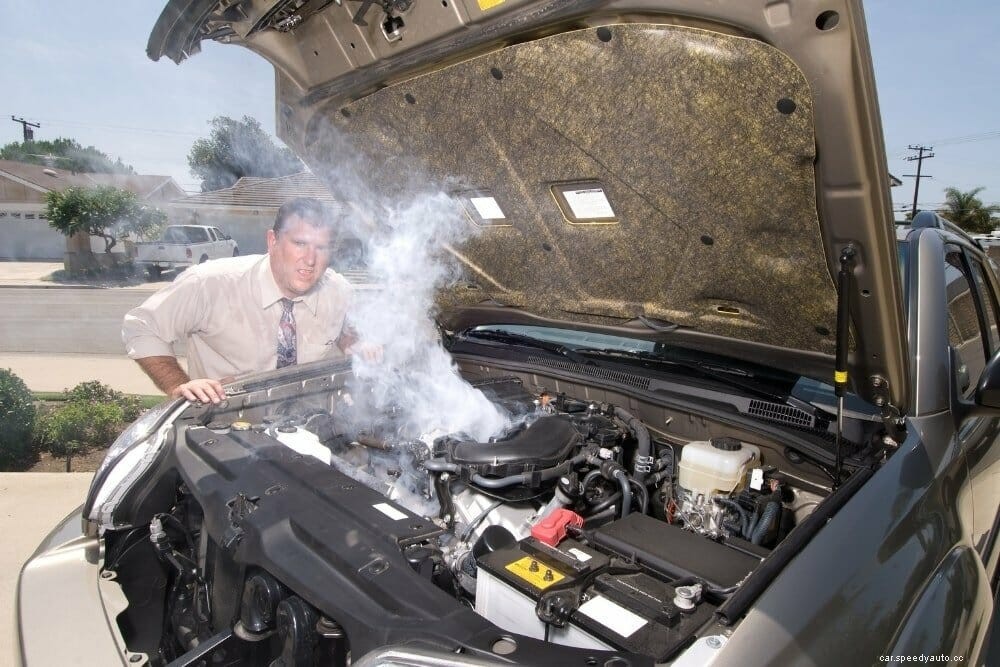
There are a few things that can damage a fuel pump relay. Some of the most common causes include:
If you’re not sure whether or not your relay is damaged, it’s best to replace it as a precaution. It’s always better to be safe than sorry!
There is no definitive answer as to when you should replace your fuel pump relay. However, most mechanics recommend doing so every time you have the fuel pump replaced or repaired. This is because there is always a chance that the relay may be damaged during the repair process.
There are a number of things that can also cause an engine misfire, including:
If you’re experiencing an engine misfire, it’s best to have your car diagnosed by a mechanic to find out the root cause. From there, you can decide what steps need to be taken in order to fix the problem.
In some cases, a fuel pump relay may work intermittently. This is usually caused by a wiring problem or an electrical short. If you’re experiencing this problem, it’s best to take your car in for a diagnostic test to find out what’s causing the issue.
In this article, we talked about one potential cause of misfires: a bad fuel pump relay. We discussed how to troubleshoot and fix this problem, as well as how to replace a bad fuel pump relay. If you’re experiencing problems with your car, make sure to read this article! You may find the solution that you’ve been looking for.
