
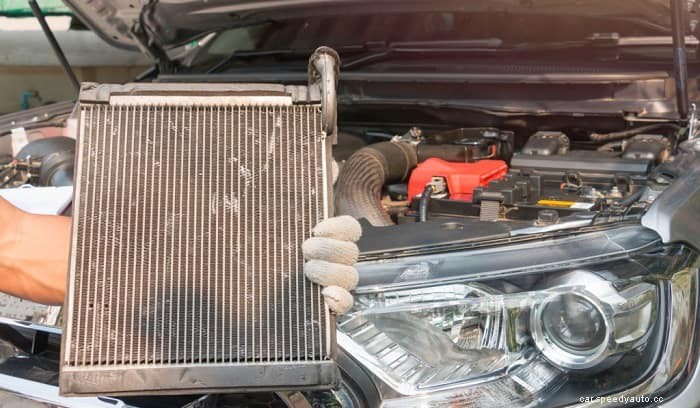
If the radiator is left uncleaned, its fins can get clogged, and the engine may overheat and eventually get damaged. Read on to know how to clean a car radiator, and you’ll be able to do it in a snap. The best way to clean a radiator would depend on your cleaning need, which is either of the two:

What You Need
For safety, the first step you should take when you clean an aluminum radiator is to cool it down. Make sure it’s cool to touch before starting to clean the fins.
The cleaner would have to be diluted first, which you can do in a large container. The water to the cleaner ratio for diluting would depend on your cleaning product, so check the product instructions on the product’s back label. Then pour the diluted cleaning solution into a spray bottle.
Spray the cleaning solution onto the radiator fins. Then, gently brush away the dirt and debris accumulated in the radiator fins with the soft-bristled brush. Be careful not to bend the radiator fins.
Suppose you may have accidentally bent some of the radiator fins. In that case, you can put them back into shape by gently straightening them with a screwdriver. Or some alternatives you can use for straightening them are an ice pick, barbeque skewer, or toothpick.
Rinse the radiator gently with a hose set at low pressure. If you see that water doesn’t appear clear after you rinsed it, repeat steps one to three.
Finally, airdry the radiator fins.
What You Need
The engine has to be cooled down before you flush the radiator to be safe. So you first have to ensure that it has completely cooled down.
Place it directly underneath the radiator’s petcock valve or drain plug. This will catch all the substances flowing out the radiator.
Open the petcock valve or drain plug to allow the coolant to drain from the radiator. Once all the coolant has been drained, close the petcock valve or drain plug.
You can prepare your flushing solution in a large container. Just follow instructions for diluting on the product’s back label.
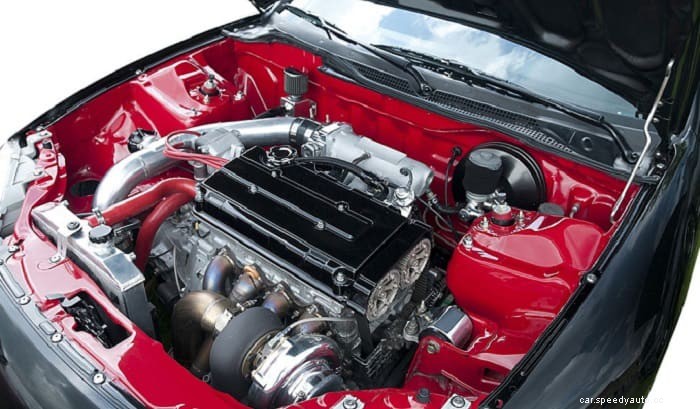
Once your flushing solution is all set, open the radiator cap and pour the solution into the radiator. Then let the engine run with the heater level set on high while you leave the solution in there to take effect on the system for as long as the product instructions suggest, which is usually 10-15 minutes. If you notice the engine getting hotter than normal on the temperature gauge, immediately shut it down to prevent damage.
Let the engine cool once again. Then open the petcock valve or drain plug to let the flushing solution drain out from the radiator.
Again close the petcock valve or drain plug. Pour distilled water into the radiator. Then, run the engine once again with the heater level set on high. This step allows the water to flush the radiator for about 10 minutes, depending on the product instructions. Remember to check the temperature gauge to ensure that the engine doesn’t get too hot. You should immediately shut it off when it does to prevent damage.
You can repeat the process to ensure that all of the cleaning solutions has been rid of. Then close the petcock valve or drain plug again.
Before you refill the radiator, let the engine cool first. And you should also dilute the coolant in a 50/50 ratio before pouring it in.
It would be wise to monitor the cooling system after refilling it with coolant to prevent overheating. To do that, start the engine and check the temperature gauge for a prolonged duration.
Suppose you notice that the engine gets too hot. In that case, you must immediately shut it off and resolve whatever is making it hot. It could either be a low coolant level in the radiator, or air may have gone inside the system while you underwent the flushing procedures.
If the cause of too much heat is the former, simply add more coolant to the system. But if it’s the latter, consult the factory repair manual for the recommended procedure for bleeding out the air, or you may also use compressed air and vacuum-fill tools.
One of the essential regular maintenance of a car is to clean out a radiator. Remember to regularly do the procedure for how to clean a car radiator to prevent problems with your engine.
How did you find this article? If you enjoyed it or have any thoughts about it, kindly share in the comments. You can also share this to help other car owners out.
