
Here we take a look at the possible causes of why your car isn't starting, first looking at the most common cause – the battery.
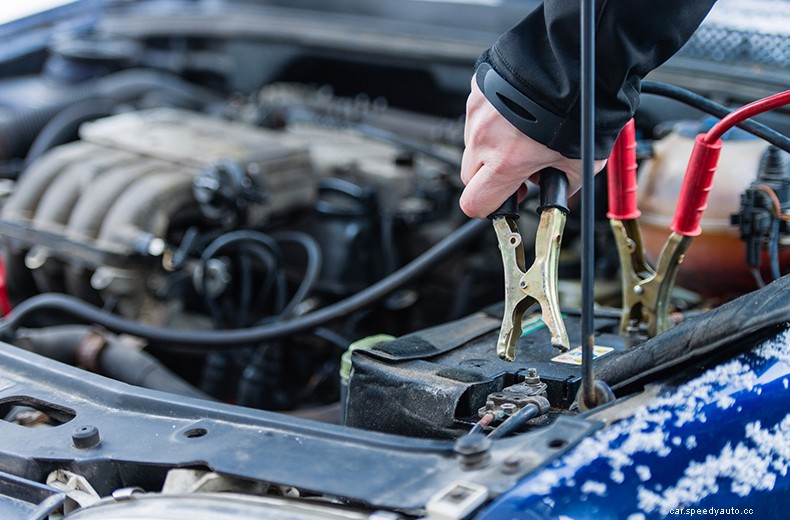
If your car won’t start in cold conditions, by far the most likely cause is the battery.
A vast number of RAC Patrol winter callouts are battery-related. It may just be as simple as jump starting it or recharging it – let's look at the symptoms.
If you hear a faint whining noise when you turn the key in the ignition, but the starter motor doesn’t turn over, the likelihood is you have a flat battery.
If the battery is totally depleted, or the cables to the battery have come loose, you may not hear anything.
Further signs of a completely flat battery include the ignition lights on the dashboard failing to illuminate, and the car refusing to unlock via remote central locking.
Read more about what to do if you have a flat battery including how to tell you have one.
If you are in a hurry and need to get moving fast, you can attempt to jump start your car. You will, however, need access to jump cables and another vehicle.
If you think your battery needs replacing, you can call 0333 2000 999 for The RAC Battery Fitting Service.
Alternatively, you can visit our car battery section to find out which product you need. We can deliver the battery to you, and fitting is free for RAC breakdown members.
With more and more vehicle equipment demanding electricity, battery maintenance is more important than ever.
Cold temperatures affect the chemical process that produces and stores electricity inside the battery, slowing the battery down and reducing its ability to hold a charge.
If you are using your car regularly for short trips, it may be worth charging your battery at least once a week during the winter months, particularly if it is more than three years old.
You can find more about how to charge car batteries on our car battery chargers page.
Older, weaker batteries will typically have reduced performance and cold temperatures can reduce this even further, to the point where the battery will discharge or go flat very quickly.
If you are finding your battery isn’t holding a charge very well, it might be time to replace it. We recommend visiting our car battery section or calling The RAC Battery Fitting Service on 0333 2000 999.
A bit of basic preparation and maintenance can work wonders for battery life.
Remember to:
And, sometimes it can be difficult just getting into your car. These two tips could save you some much-needed time:
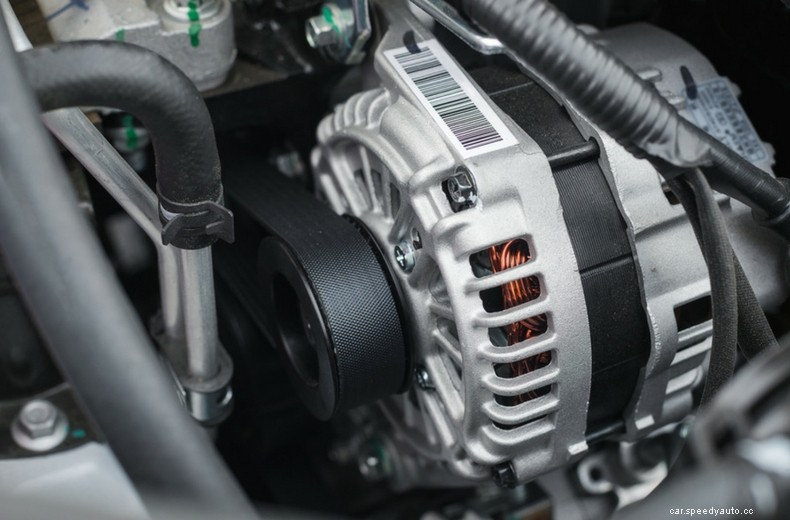
The alternator is an electrical generator that charges your car’s battery when the engine is running. If you have a relatively new battery and it keeps going flat, the problem probably lies here.
If you jump start your car and the engine dies immediately, this points to a faulty alternator.
You may also notice your headlights and dashboard lights flickering, the car’s gauges moving in a jerky manner – and even a burning smell filtering into the cabin if the alternator has recently overheated.
The alternator is connected to the battery and the engine, so, unless you’re an able mechanic, replacing one is a job best left to the experts.
It shouldn’t be difficult to source a new part, or you can opt to have your existing alternator reconditioned. The job shouldn’t take a garage more than two hours.
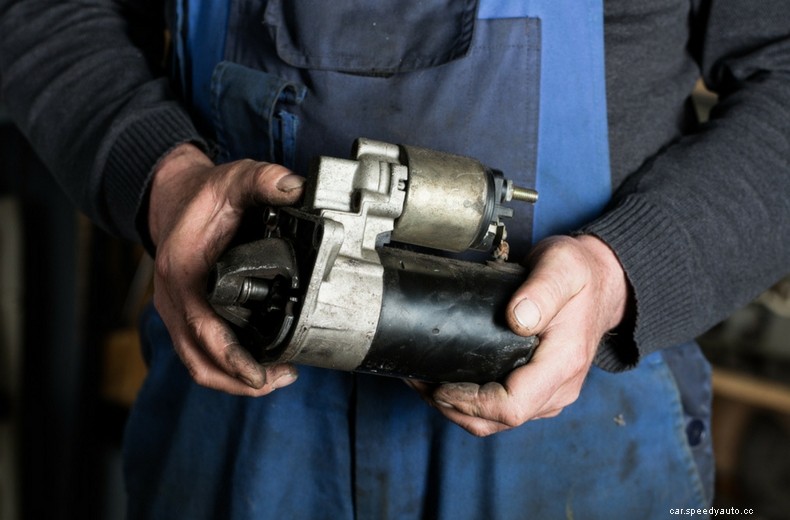
The starter motor does exactly what you’d expect; it uses electricity from the battery to jolt the car’s engine into life.
Many modern cars now have stop-start systems with stronger starter motors to cope with the demands of frequent engine on/off cycles in traffic.
The most obvious sign of a broken starter motor is a clicking sound when you turn the ignition key, followed by the engine refusing to turn over and start.
If all the lights and in-car electrics are working fine, this also points to an issue with the starter motor – rather than the battery.
Even jump starting won’t work if the starter motor has failed.
Again, replacing a starter motor is generally a task for a trained mechanic.
They’re not hugely expensive, but the work may take up to half a day.
Your old starter is usually exchanged for a new one, which may look different; manufacturers sometimes modify the designs.
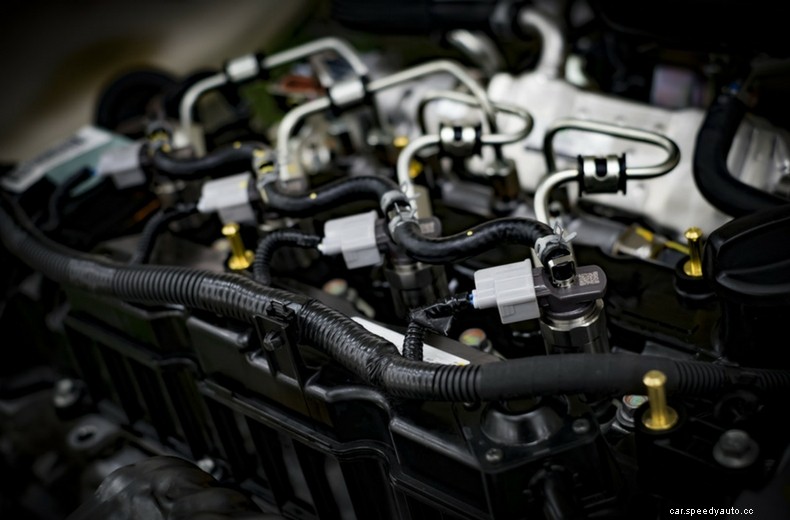
Over time, car fuel systems may become contaminated with water.
This can cause combustion problems and, if cold weather makes the water freeze, prevent the engine running altogether.
The issue is most acute in the fuel lines, which feed the individual injectors.
These are very narrow and can be blocked by tiny ice particles, starving the engine of fuel.
Aside from the engine not starting, other symptoms of fuel system problems include a stuttering engine – particularly when accelerating – and a generally jerky feel to the car’s power delivery.
The engine may even cut out altogether while driving.
If your car has water in its fuel lines, you may need to have the system professionally flushed.
However, certain additives can reduce contamination by using alcohol to hold water in suspension, then passing it out through the exhaust.
You can cut the risk of water ingress by keeping your car’s fuel tank close to full, thereby reducing the likelihood of condensation.
Note that diesel fuel can ‘thicken’ and become less free-flowing in cold conditions, too – another obstacle for your car to overcome in winter.
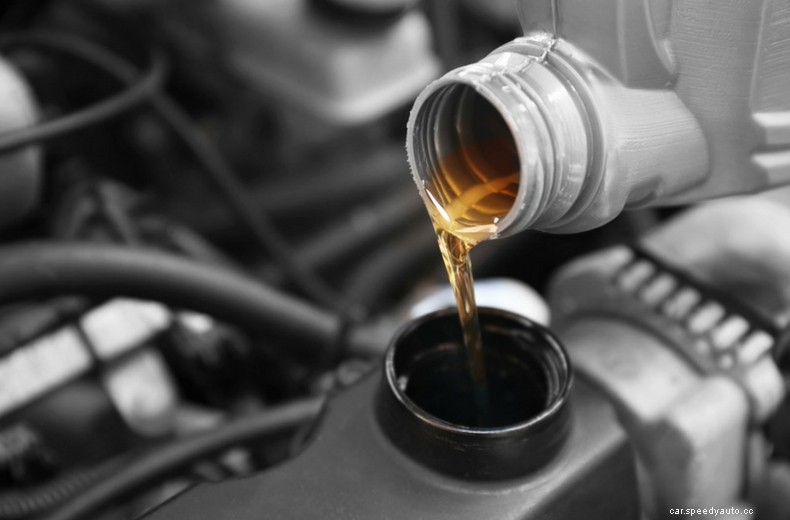
Oil also becomes less free-flowing in cold conditions.
And that, in turn, puts additional strain on your car’s battery by making it harder for the engine to turn over and start.
If your oil has too much cold viscosity (resistance to flow), you won’t be able to start your car in cold temperatures. On the flip side, excessive hot viscosity means engine components won’t be adequately protected, leading to premature wear.
Check your car’s handbook to see what type of oil the manufacturer recommends, and switch to a thinner grade if possible in winter.
Typical grades include 10W-30 and 5W-20, with the first number (followed by a ‘W’ for ‘winter’) denoting the oil’s thickness in cold weather. The lower the number, the thinner the oil.
For cars operating in very cold climes, even 0W oil is available.
