
Do you think it is time to perform CASE relearn, and why do you need it?
Different situations can necessitate this process. You need to know why you should do CASE relearn and when to do it. Especially, you are able to perform the CASE relearn without an expensive scanner. Thus, this article will trigger this procedure and how to do it.
Table of Contents
A Crank Angle Sensor Error (CASE) relearn is a process of realigning the position between the camshaft position sensor and crankshaft position sensor. Your vehicle system uses this relationship to determine advanced misfires. Indeed, CASE relearn is necessary, and you need to know when to perform it.
CASE relearn is needed when the crank position sensor is bad, belt stretches, or a combination of both. It is essential to know the underlying reasons, and the details below will show you.
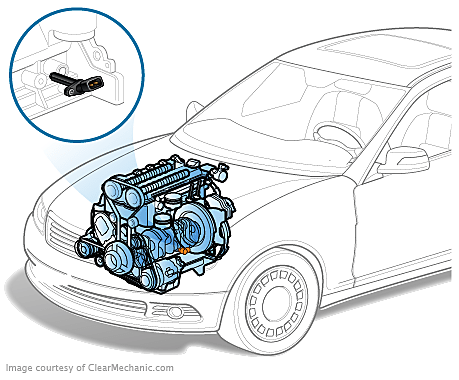
A crankshaft sensor can fail when it is damaged. In this case, the engine control module (ECM) will not know where the cylinders are and how fast they rotate. Thus, this cripples the ECM, which loses control of those processes such as fuel injection, spark ignition, and valve timing.
A faulty crankshaft position sensor is associated with the following symptoms:
The above signs indicate that you need to replace the crankshaft position sensor. Then, a CASE relearn should be done.
The crankshaft position sensor and camshaft position sensor are linked by a timing chain/belt. The continuous operation of the car causes small increments in the size of this chain. These small increments can eventually accumulate to be significant enough to alter the relationship between the sensors’ positions.
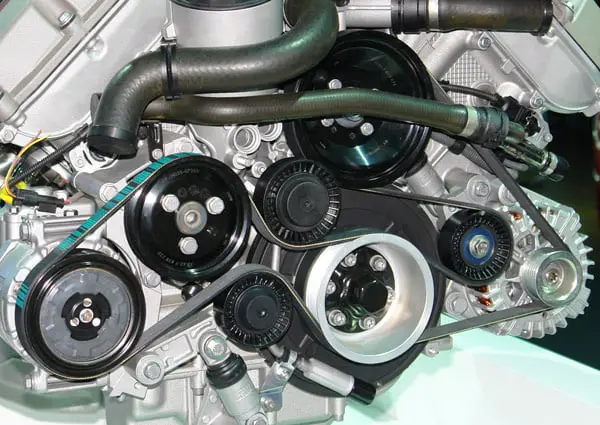
This change will make the powertrain control module (PCM) notice the differences between the set valve timing and the real valve timing. Therefore, it leads to possibilities of misfires.
However, the error can be rectified by performing CASE relearn. The process allows the PCM to recognize the change and adjust its valve timing commands to match the new position.
In the above cases, CASE relearn is crucial to restoring the relationship between the two sensors. Failure to do it will increase the prevalence of misfiring and stalling of the car. Eventually, the vehicle will not even start.
If you replace an engine, balancer shaft, gear, timing chain tensioner, PCM, ECM, or module, you might also need to perform CASE relearn. Replacing any of the above-listed parts is likely to alter timing chain slack or tension. So, it is vital for PCM to notice and adjust accordingly.
Automotive scanners offer you the fastest way to perform CASE relearn, but what if you do not have the device or your vehicle is not supported? That is why this article highlights the steps you can take to recalibrate the PCM without scan tools.
Follow these steps promptly for a successful manual CASE relearn.
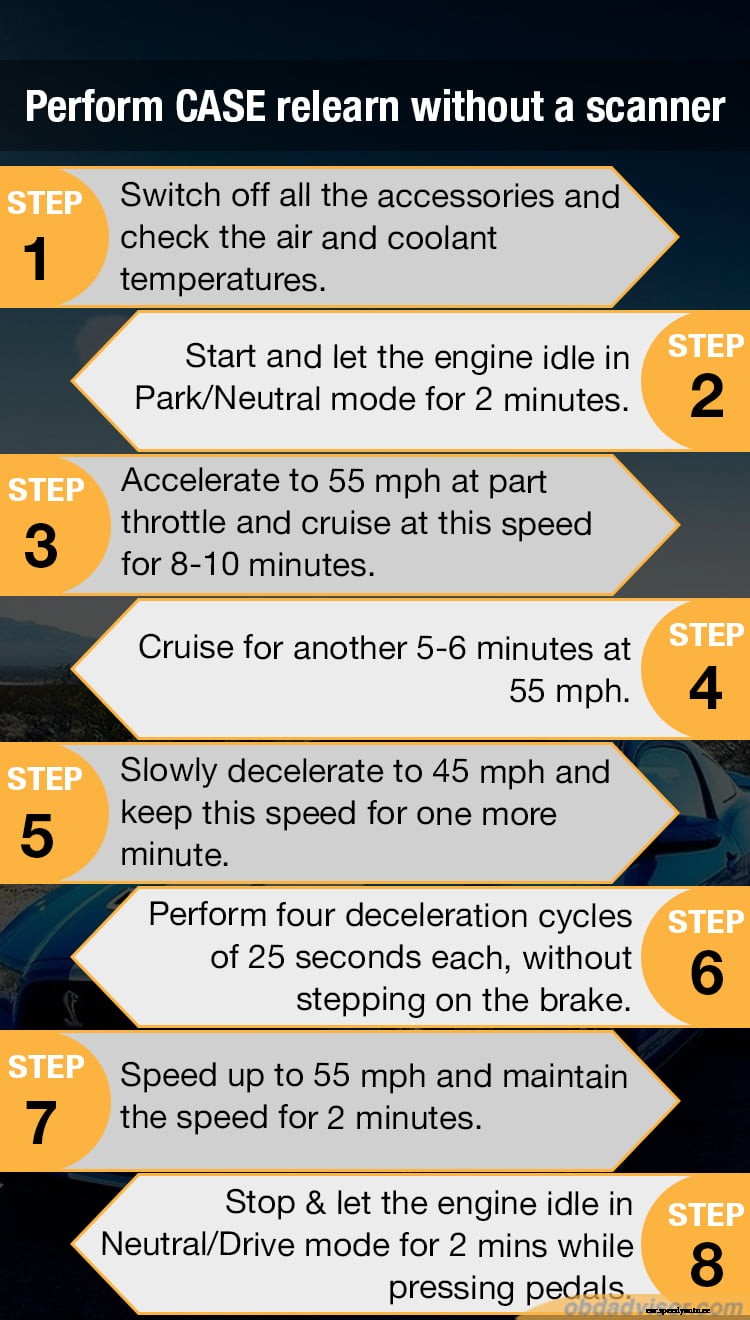
You can still perform a CASE relearn without a scan tool after replacing the crankshaft position sensor or other reasons mentioned in this article. The procedure described here has a high chance of success in a variety of vehicle models. Let us know if it works for you or your thoughts about it in the comment section. You can also check our other posts on related topics.
