
If you’ve owned a vehicle for more than two to three years, the likelihood of it developing a fault or two at some point increases as the car ages. One of the most common and irritating problems you will experience in a car is excess vibration.
The issue with vibration in a car is that it subtly creeps up on you over time without you noticing. And often, the underlying cause is a fairly simple and cheap issue to fix that could end up ballooning into a much bigger (and costlier) failure if not fixed soon enough, which is why you need to know how to fix a car that shakes as well as how to spot specific signs and symptoms that might hint at the cause.
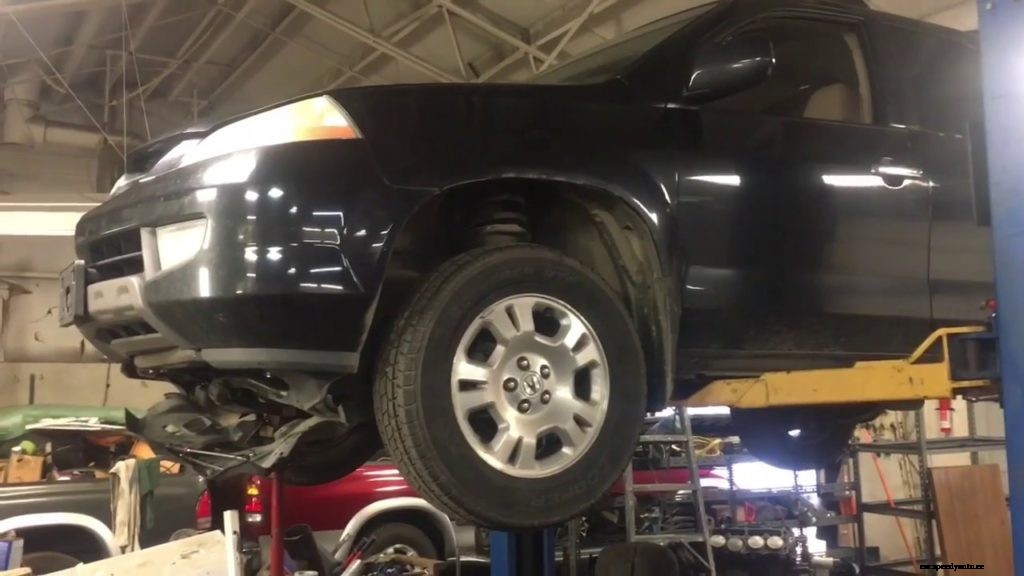
A car that shakes while in motion might mean something different from a car that vibrates when stopped or just before the engine dies. So you’ll need to pay attention when the shakes are happening and the magnitude of the vibration as this will help you determine what you’re up against.
Does the car vibrate only while braking or does it only vibrate at high speeds, low speed, or a constant speed? If your car only shakes when idle, braking, or at a certain speed, the cause(s) might be different, but now you know when it vibrates, where do you look when you start diagnosing the issue? Keep reading to find out.
This is usually the main culprit of a vibrating car. You can easily recognize this is the issue by paying attention to the magnitude of vibration in the driver’s seat and floorboard when driving at high speed.
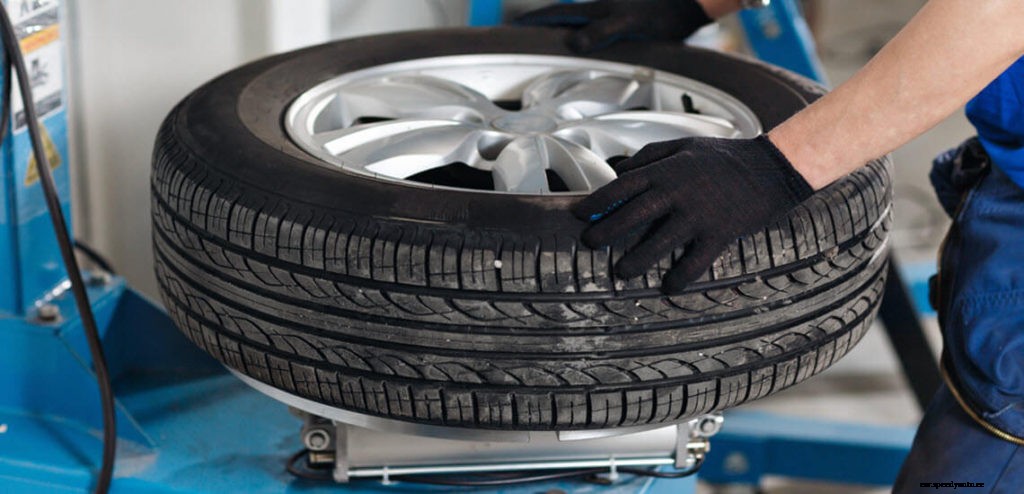
If you had recently swapped your old tires for new ones and you notice your car shaking as you drive, it could be the result of tires not having the proper balance. A tire will never have the exact same weight all the way around when it is mounted on a wheel.
To remedy this, a tire installer will mount the wheel assembly on a balancing machine and stick small weights to the rim at certain locations to make the balance close to perfect. Without this, any slight weight imbalance will become a small vibration as the tire rotates. As the speed of the car increases and the tire rotates even faster, the vibration will be more pronounced and will cause your steering wheel to shake too as well as impact your tire mileage.
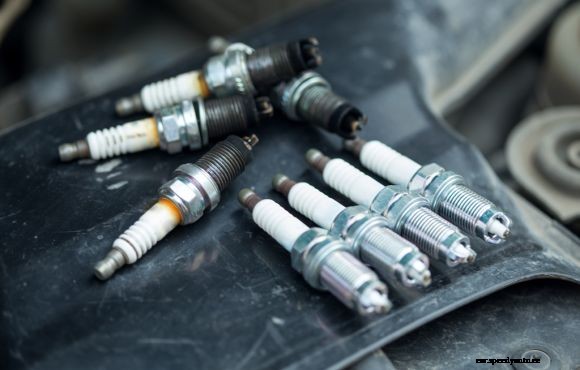
When it comes to figuring out what’s the cause of a shaking car most people tend to ignore the spark plugs. But remember, they play a very important role in how efficient the engine runs. So if your car is vibrating even when idle or more when idle, then you should check your spark plugs before moving on to something else.
When the spark plugs in your engine are dirty of fouled up, they can cause the engine to vibrate excessively as a result of misfiring in the cylinders and damage some components in the engine. Unlike the first problem, you can easily fix this problem by cleaning the spark plugs, or, if you do not recall the last time you replaced the spark plugs in your engine, this might be your cue to do so.
If you unscrew one spark plug and notice a dark buildup on the tip, there’s a good chance that the rest of your spark plugs will have similar buildup as well.
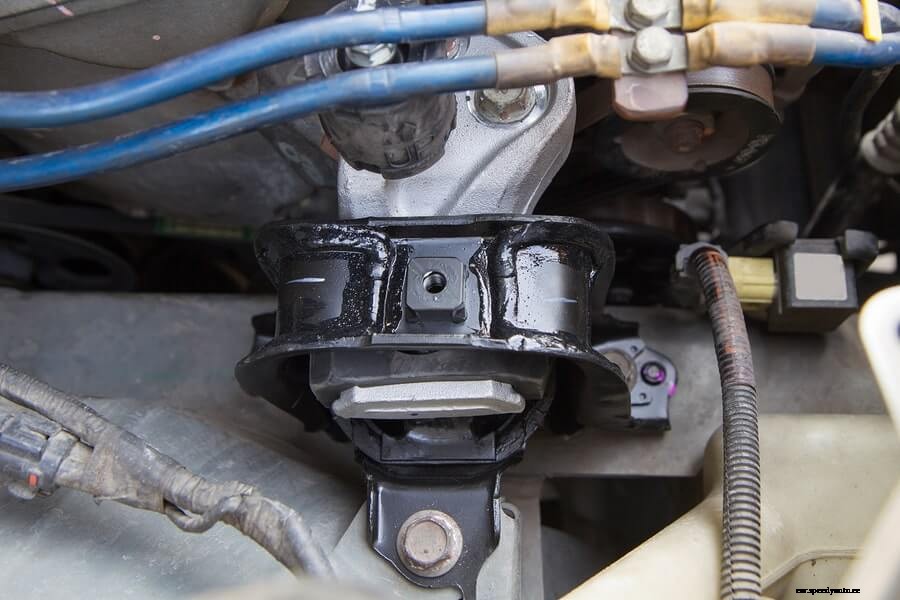
A motor mount’s main purpose is to attach a car’s engine to the frame of the vehicle. A second but equally important role it plays is to dampen or absorb engine vibration so that those in the car do not feel the constant vibrations generated while the engine is running.
They are made of a hard rubber material sandwiched between two metal plates with a bolt that helps hold it in place. The hard rubber allows them to absorb most of the engine vibrations. When one of these motor mounts is damaged, you will feel excessive vibration in the car, and not only that, other parts of the engine can be thrown out of alignment and ultimately break since the engine is not sitting in its precise location.
A bad motor mount can be felt when the car is idling but the vibration will be more obvious when the car is accelerating since the engine has to work extra hard. Replacing a faulty or broken motor mount should stop the shaking, but keep in mind that when a motor mount is faulty, the weight of the engine is transferred to other motor mounts thereby increasing their workload, which could end up damaging them as well.
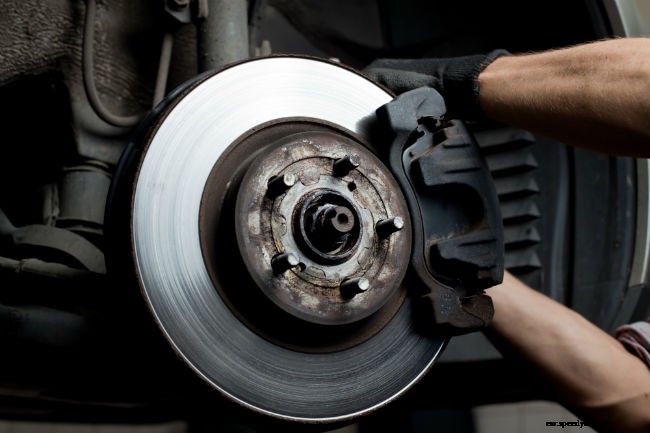
If you’ve noticed that your car only vibrates when you try to stop, then it is very likely that the problem is from the brake system. One culprit could be warped brake rotors. If the rotor on one of your wheels is warped from excessive wear and tear, it’ll prevent the brake pads and calipers from getting a good grip to smoothly halt the car.
If you have a faulty brake caliper that causes it to stick to the wheel, then you’ll experience car vibrations. In this case, the steering wheel will vibrate the most as your speed increases to about 40-50 mph. The shaking will progressively get worse as your speed increases and when you finally come to a halt, you’ll pick up the smell of something burning from the vehicle.
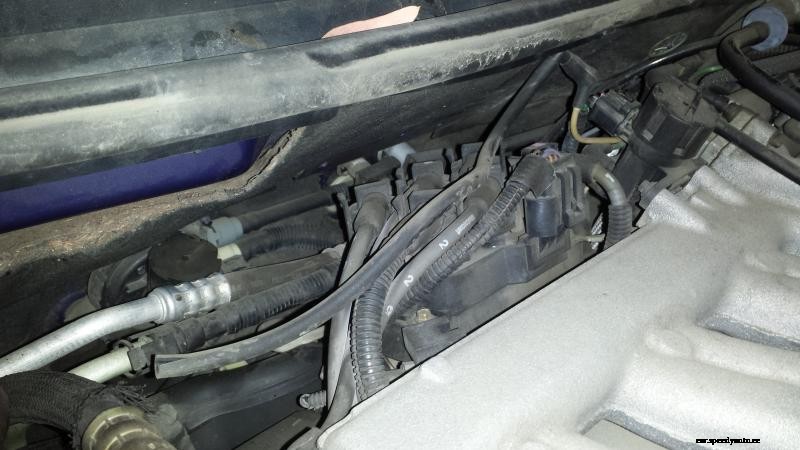
This one is very common and can cause severe jerking and shaking of a car while driving. If a vacuum hose develops an air leak due to a small tear or becomes disconnected, the change in air pressure can cause confusion in various sensors which can, in turn, lead to misfires, losing power, backfires, and other problems that prevent the engine from running smoothly.
Inspect all hoses and ensure they are firmly connected where they’re supposed to be and that they do not have cracks or tears in them. If a hose is too loose to stay attached to its fitting, you might need to use a small clamp to hold it in place. The vacuum hoses on turbocharged cars are more prone to disconnecting from the fitting, so consider replacing with stronger silicone hoses as a more durable solution.
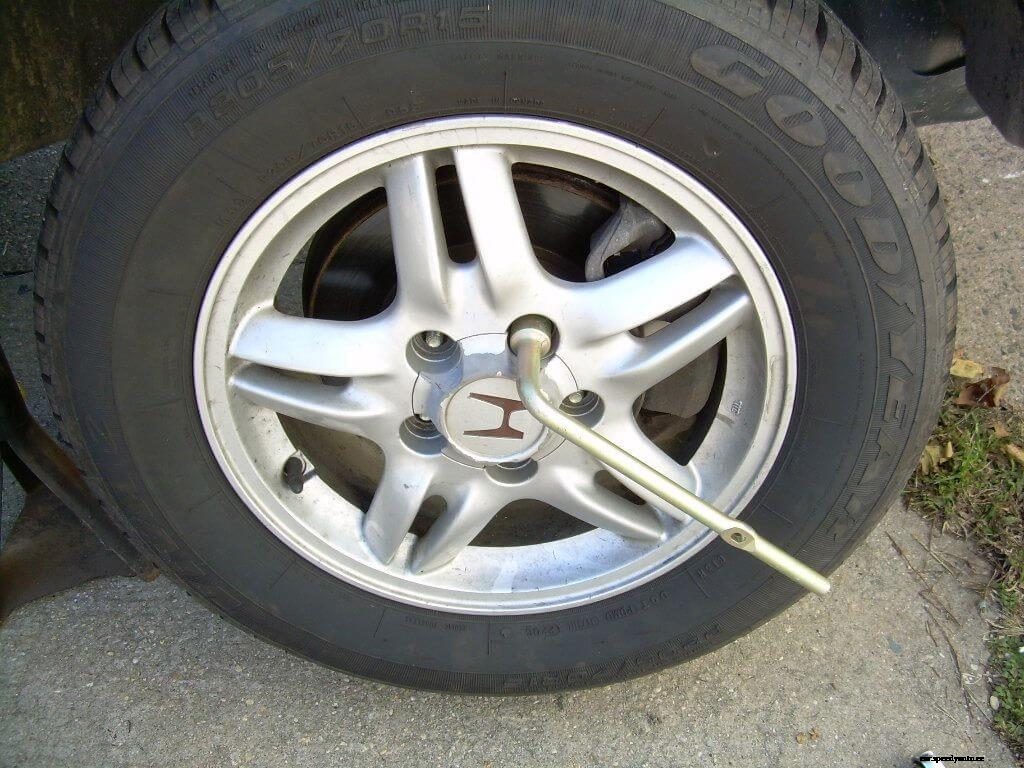
Though a simple problem, this one is more common than you think and could become catastrophic. The wheels of a car will have a slight wobble to it if the lug nuts on the wheels were not properly tightened to the hub. While driving this would send vibrations to the steering and make it seem like the car is shaking.
If left unchecked and loose, the lug nut could eventually loosen completely causing the wheel to fall off. Of course, you don’t want that to happen. To confirm your lug nuts are tightened to proper factory specs, use a torque wrench or regular lug nut wrench to inspect them for looseness.
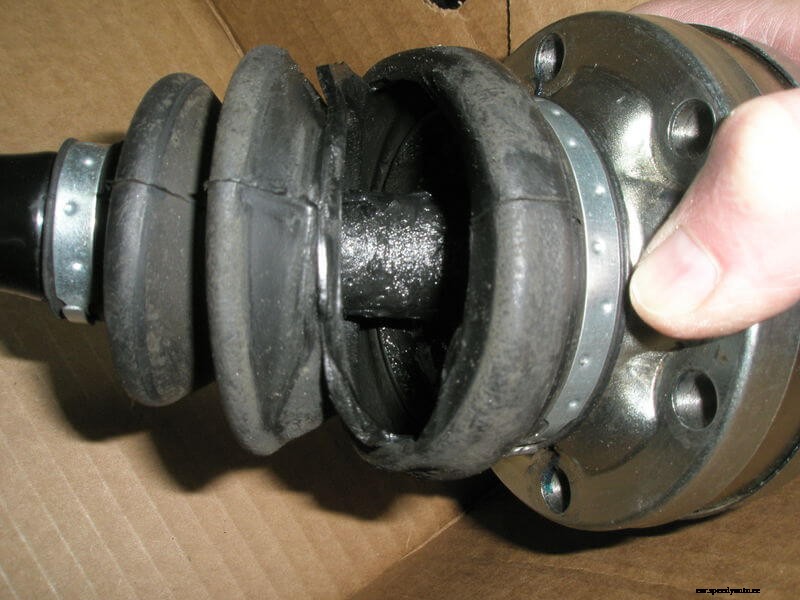
Constant-Velocity joints are located at the end of each axle. There’s an inner and outer joint. Should the inner CV joint begin to fail or sustain damage, you’ll notice your car vibrating when you pick up speed. As it worsens, these minor vibrations turn to violent shaking, especially when the car is loaded.
Damaged CV joints occur when there is a tear in the joint boot. When this happens, dirt, water, and other contaminants enter inside the booth and contaminate the grease that protects and lubricates the splines inside. Without good lubrication, the metal on metal contact eventually causes the joint to fail.
This one is the most annoying cause of a shaking car, but like they say ‘every problem has its solution’. There are two ways to fix this:
Here are some tools you might need to carry along with a bubble balancer:
Before you can fix a car shaking caused by an unbalanced wheel, you need to figure out which wheel is responsible for the shaking or most of it. After that is done, remove all weights already on the wheel and debris from the tread to make balancing the wheel easier and more accurate.
Many of you have probably seen a wheel balancer at least once, yet very few will have an idea of how to operate it. To make the balance work, all you need do is to turn it on and put the wheel on it. You might need to give the wheel a little spin depending on the type of wheel balancer you’re using. When it stops, you just try out different wheel weights to see which one balances the tire and then mark the spot with chalk so you can install the weights later.
When you’re done installing the weights, it’s time to ensure that the balance is still right. Recheck and adjust as you deem fit to guarantee a smoother ride when you install the wheel back.
If after inspecting the spark plugs you discover that they are dirty, you have two options, change them or clean them.
Either way, you need to label the wires that connect to the spark plug according to the piston chamber you pulled it out of. You should only do this when your car is cold or has been off for at least an hour or two.
If you decide to clean the spark plugs, we wrote an article that will guide you through the process. If you decide that they’re old enough and need replacements, ensure that you get spark plugs that are compatible with your car. You can check our spark plug cleaning guide for more information.
Except you have experience with fixing car parts or you’ve done this before, I suggest getting a professional to fix worn tie rod ends.
To gain access to the tie rod end, you need to loosen the front tire slightly; now, raise the front end onto a floor jack, since it is not safe to work under a car suspended on a jack.
Remove the wheel to locate both inner and outer tie rod end. Loosen the pinch nut that holds the outer tie rod in place so you can twist the outer tie rod end. Now you can remove the cotter pin and throw away since it is impossible to reuse.
Next up is the castle nut. This is the nut that the cotter pin when through and connects the tie rod end to the steering knuckle. I recommend using a ball joint separator or a tie rod puller to remove the outer tie rod end from the steering knuckle and inner tie rod end.
Finally, take a pair of pliers and remove the clamp from the boot and break the clip on the far side so you can twist the inner tie rod end anti-clockwise and pull it off.
Make sure the new tie rod end is similar to the previous one. Make sure they are of equal length, shape, and size.
If everything looks okay, you can now thread the inner tie rod end into the steering gear and slide the boot back onto the rod. It is super important to thread the pinch nut, tighten the castle nut back and replace the cotter pin since this will ensure it is secure.
Now you can start replacing the wheel and lower your car back to the ground.
You might want to change your air and oil filter if they are dirty or clogged. These two can starve the engine of the needed fuel and oxygen. They are inexpensive and easy to swap out, so take a peek at your user manual or some YouTube videos to replace them at the recommended interval.
While this isn’t an exhaustive list and these seven possible causes may have nothing to do with your car shaking, they are the major culprits you should go over before moving on to diagnose other possible causes. However, if you are far from certain, or you don’t trust in your ability to find and fix the problem, you can always get your car checked by a professional to find and rectify the problem so you can return to a nice smooth road ride in no time.
Sources:
