
After buying a house, the second biggest financial commitment you’ll likely make is buying a new car. You need to make sure that you’re getting the best value for your money because the salesperson you’ll be interacting with is more interested in getting you to purchase than finding a car that fits your lifestyle.
So if you’re thinking of getting a new vehicle, please have a read through our list of mistakes to avoid when buying a new car below.
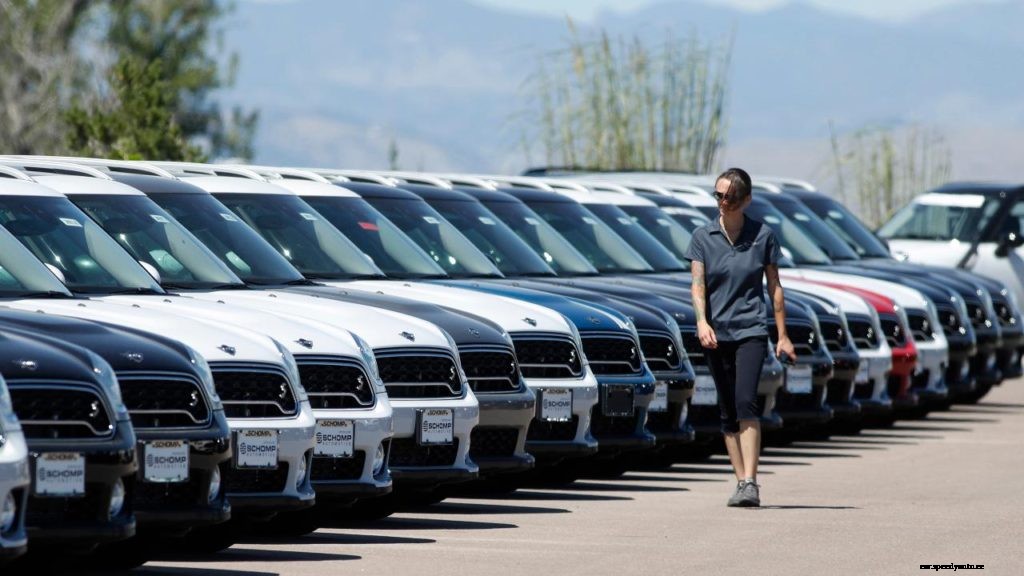
According to a USDOT survey, the average duration of car ownership is 59 months – a month shy of five years. This means any mistake you make when purchasing your new car will stick around for about five years or more.
When you’re staring at the brand new car and your mind starts to imagine yourself sitting behind the wheel, it takes a strong will to focus on how long you will own the car before you decide to sell it. Before going to the dealership to get a car, think of these important features:
The brand of car you choose matters a lot. Some brands are popular among car owners and you’re likely to get more resale value when you decide to cash in on the car
The vehicle specification and engine will help you determine if the car is the right choice for you. For instance an SUV and a sedan have different specifications that influences the way each vehicle responds to turning, braking, and acceleration, how much gasoline the engine uses, how it adapts to various driving conditions, etc.
Two of the most popular car colors are black and white, and that’s because these two fadeless and do not depreciate quickly, like say a gold-colored car. It’ll be easier to resale a black or white car compared to a purple car.
Car maintenance can be quite expensive. For most people buying a car, the only thing that influences their choice is the price of the car, but that’s being shortsighted. You need to think about further technical service, insurance, and other expenses.
On average, it is estimated that 5 percent of your salary will be spent on maintaining your vehicle, without considering these other costs before making a choice, you might end up with a vehicle that puts too much strain on your (family’s) finances.
For instance, Mercedes, Cadillac, and BMW will cost you about $17,500, $12,800, and $12,500 respectively in maintenance cost over 10 years. If this isn’t money you can comfortably afford, then you might want to consider a brand like Toyota that costs about $5,500 to maintain over the same period.
I have to admit, salesmen can be quite pushy and persistent. It seems like they can see the thirst in your eye, so they keep looking for means to get more money out of you, but you have to be firm! Don’t pay for something you don’t need, because it’ll make you feel bad each time you set sight on it.
What’s the rationale behind paying for an ashtray when you don’t smoke?
If you think the price is good and the basics that come with the car are okay for you, then don’t pay for any extras. They just add these to the car to increase their commission.
A very persuasive salesman will try to convince you to pay for anti-corrosion treatment because they don’t expect you to know that new cars come with corrosion treatment. If you need to get add-ons, the best place to do so would be at an aftermarket dealer not at the dealership where everything is overpriced.
On the other hand, you shouldn’t be cheap about getting features that improve your safety such as auto-dimming mirrors that reduce glare especially from the headlights of oncoming cars, additional airbags, head restraints, ABS, and other safety features.
There’s this wonderful feeling you get whenever you buy something brand new, and for a car, it’s not just the “smell of a new car.” New cars are less likely to malfunction, and even if they breakdown, the warranty from the dealership likely covers it.
Second hand and pre-owned cars are more affordable though. And, if the previous owner followed schedule maintenance, these cars can still provide reliable service for a long time. Lots of people shopping for a car, especially those making their first purchase, assume that a new car is the best option they can get when there are some fantastic vehicles on used car lots that can be had at great prices. You can find some fantastic deals on the used-car lot, just ensure you take safety measures and inspect the quality of the vehicle thoroughly.
Do not take the salesman’s word for a fact – they are there to make sales. Before you even set your foot on the car lot, make sure to do, at least, some basic research. If you want to see what’s available, the showroom floor isn’t the best place because as soon as you step in, you might feel pressured to buy or worse, sign a pre sale contract or something similar. Find out what’s available from the internet or friends, decide whether you want to buy a car, truck, or SUV. Then, your next step would be to compare the cost – make sure to check different dealers, decide which features are must-haves, and set a budget – and don’t bulge. Without these, you run the risk of basing your decision on emotion.
The first visit to the dealership should be a trip to look at and test-drive the car(s) you have in mind. Inform the dealer that you’re not buying immediately, that you’re simply in the research stage. Get all the important information you need from the dealer and leave so you can make up your mind independently without someone hovering over and trying to influence your choice. Then move on to the next dealer on your list, and repeat. Otherwise, you could end up with a car that you paid too much for, don’t really like or don’t fit your lifestyle and needs.
Know why you’re buying a car. If you are a family man with three kids, I see no point in spending thousands of dollars on a slick little roadster. Where will the kids fit in your two-seater sports car? Other than the number of seats you need to ensure that the car is the right choice for you. If the car you prefer is known for poor fuel economy, then you might need to change your mind and go for a more efficient car.
I’m not saying you have to choose a car you do not like just to save a couple of dollars on gasoline or to fit the whole family in the back, just don’t let your emotions override your thinking when the time comes to make a final decision on which vehicle to buy.
If you have an old car and you plan on trading it in, find out the true market value of it. Perform a quick search online to get the average value for your old model and year, you can even go to the used car lot and pose as a potential buyer for that model. And also, look at a vehicle that has similar mileage on them so if the car dealer offers a price way below the average market value, you’ll know if it’s worth your time to sell it privately.
Some people automatically look at salesmen and are thinking “he might get irritated if I haggle too long or take the price too low!” Far from it.
To negotiate a fair price, you need lots of research and a budget. Be prepared to sit and talk money with the dealer.
Here are some tips to keep in mind:
Finally, if in the days following your purchase the manufacturer’s incentive increases, call your dealer, they may be willing to cut you a deal on the new incentive.
There are many great things you can do on the internet, but irrespective of the research you do, do not buy a car because of the online reviews and photographs. There is only one way to figure out if a car is a right fit for you, and that’s to get behind the wheel yourself.
Insist on a test drive before handing over your hard-earned cash to a dealership or a private seller. Though test dives rarely last more than an hour, you can learn much about a car within that time frame, especially if you test it out on different road surfaces and traffic conditions so see how it copes and how the car feels in your hand.
When buying a car, the best thing you can do is to shop around and visit more than one car dealer before signing a car deal, but it can be quite difficult to adhere to that plan when the first car you set your eyes on is the one you fall in love with. The temptation to buy it immediately can be quite intense, more so if the salesman picks up on your interest and pressures you to sign a deal because they have lots of people waiting to pick up that car. Stick to your plan and you will likely find the same car at another car lot for a lot less money!
In an ideal world, you could avoid all of these common mistakes people make when buying a new car, but Chances are you’ll probably make at least one of the mistakes on the list below when dealing with car salesmen, so watch out and avoid these mistakes when buying a new car.
