
Eventually, there will come a time when your current vehicle isn’t getting the job done for you. Maybe your car is beginning to break down, or the cost to repair it is too high compared to its value or compared to the cost of a replacement car. Maybe you’re just ready for an upgrade to a nicer, newer driving experience.
Whatever the reason, buying a replacement car is a big decision, and it’s important for you to get as much of the process right as possible. When buying a car, the first decision you have to make is whether to buy a new car or a used car. There are pluses and minuses to either choice, and you need to weigh the pros and cons relating to your situation, in order to make the best choice for yourself.
New Versus Used
If money were no object, most of the time the preferred choice would be to buy a new car. However, in the real world, money is nearly always a concern. As such, there are a number of advantages to buying a used car instead of a new one.
Depreciation
As you’ve probably heard, the moment a brand new car is driven off the lot is when it takes the single biggest hit in its value. On average, a new car depreciates by around 11% immediately upon its purchase. Depreciation over the first year is significantly higher than any subsequent year.
By purchasing a new car, you’re allowing another owner to take the hit for the bulk of the value lost to depreciation. Unless you’re really able to afford it, the prudent financial decision is usually to allow another owner to pay for that luxury of the first few years of a car’s lifespan, when its value falls most dramatically.
Lower Costs
When comparing the same make and model, a used car is going to be less expensive to buy than a new one. But the cost savings extend beyond just the sticker price. When driving a used car, you’ll end up paying less for insurance, as well as a lower cost for licensing and registration as well.
While the up-front price of the car itself is the biggest single expense when buying a car, all the recurring fees and payments add up too. What starts off as a modest price advantage for a used car can extend into an even bigger one over the years of paying less for insurance and related fees.
Steps to Take When Buying Used
There are a lot of good reasons to opt for a used car over a new one. With that being said, it’s important to make sure you go about buying a used car in the right way. The nice thing about a new car is that it has a completely fresh history. That won’t be the case with a used car.
There are a ton of great used cars out there that will be low maintenance and long lasting. And there are also some subpar cars that you want to avoid at all costs. When buying a used car, doing your due diligence and inspecting the car you’re considering buying is absolutely essential.
Inspecting a Car Yourself
The first thing you’ll almost certainly do is take a look at the car for yourself. There are a number of things to be on the lookout for that would be noticeable right away, either in inspecting the car at rest or while driving it.
A list of some obvious things to be wary of when inspecting a used car:
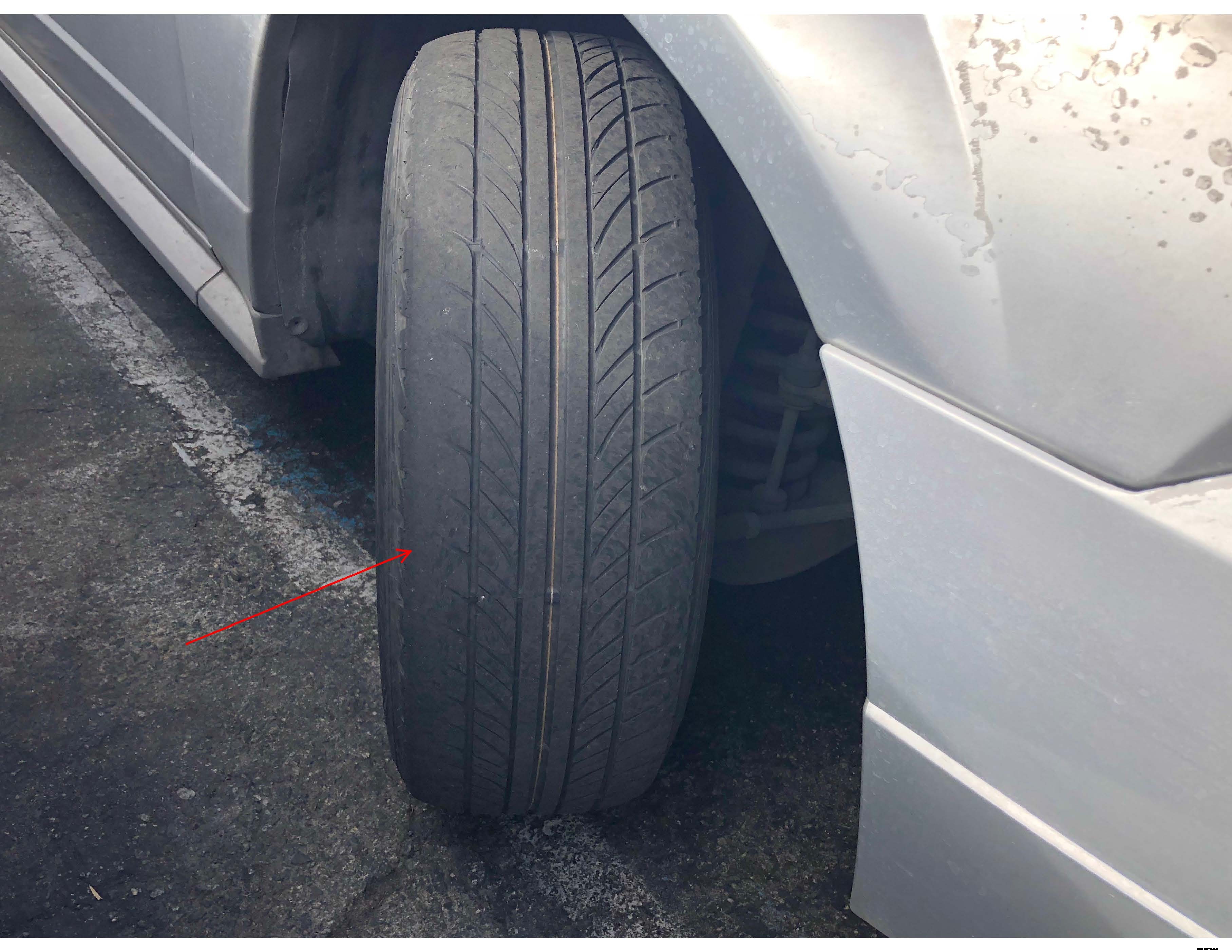
That’s a short list of the things you can pay attention to while inspecting a car yourself. Any of these can be red flags when picking out a car. But there’s only so much you’ll be able to observe as an untrained observer.
Vehicle History Report
Another great tool at your disposal is getting a vehicle history report for a prospective used car you’re thinking of buying. CarFax is probably the most popular such service. A vehicle history report will give a lot of great information about a car’s history.
You can see a car’s maintenance schedule and service history, as well as accidents a car has been in. A vehicle history report will generally alert you to cars you should probably walk away from, such as cars that have been designated as Salvage/Junk/Rebuilt/Reconditioned. The report will protect you in cases where the seller is trying to pass off a car with edgy history as being clean.
The Importance of a Professional Used Car Inspection
By inspecting a car for yourself and obtaining a CarFax report or other vehicle history report, you’ll be able to nip a number of potential problems in the bud when buying a used car. However, there are limits to how well those tools are going to serve you when you’re in the market for a used car.
Limits of Untrained Inspection
While a number of automotive problems give some sign that can be seen by the naked eye or heard or smelled, that’s not the case for all of them, including some extremely costly ones. When you inspect the car yourself without automotive technician training, you’re only able to notice the most obvious signs of potential trouble.
For example, problems with a car’s brakes or transmission aren’t always immediately apparent, and can go downhill in a hurry. It’s entirely possible that a car will seem fine to the untrained observer, when in reality it’s only months from needing a significant overhaul of a major system like the transmission.
Further, simply looking at and driving a car doesn’t give you access to all parts of the car. You’re not likely to be able to inspect the undercarriage or any other out-of-the-way areas.
Limits of a Vehicle History Report
Vehicle history reports like CarFax are a wonderful tool, but unfortunately they’re not perfect. Here’s the truth about CarFax or other vehicle history reports: They’re only as good as the information sources from which they’re gathering data about the car.
CarFax reports are compiled from three sources of information: State title agencies, repair shops, and police reports. You can trust the information a title agency has provided in just about every case. But when it comes to the information provided by repair shops and police reports, there can and will be major gaps in covering any accidents that cars have been in.
The problem is twofold. First of all, many accidents aren’t reported to the police, and auto repair shops oftentimes classify work they do to repair damage as something other than accident repair. If a car gets into an accident but the police aren’t involved, there’s a pretty good chance that looking at a CarFax report isn’t going to let you know that accident occurred.
The second problem is that police record keeping and sharing isn’t always perfect, especially when it comes to smaller police departments. Sometimes information exists, but isn’t updated into the system promptly. This could lead to a situation where a CarFax shows a clean bill of health for a car, and then months later would be updated to show evidence of an accident that happened in the past.
The bottom line is that a CarFax report saying a car hasn’t been in a significant accident is a good sign, but can’t be taken as a 100% guarantee. The only way to be absolutely sure about possible past damage to a car is to have that car examined by a qualified professional mechanic.
A Professional Inspection
Having a used car pre-purchase inspection performed by a qualified professional mechanic is an absolute must if you’re thinking about buying a used car. While your own inspection and a vehicle history report can give you a partial picture, a trained mechanic will give you the entire portrait of a used car’s current condition, as well as what issues might crop up in the future.
Without a professional inspection, you’re essentially rolling the dice, hoping that there isn’t some hidden issue lurking beneath the surface. If something does come up, you’ll be on the hook for costly repairs, and usually without any recourse in recouping the money you spent on a car that’s now far more expensive than you bargained for.
Full Used Car Inspection
One of the key reasons why a professional pre-purchase inspection is so crucial is that a mechanic is able to examine every part of the car in question. A professional mechanic will look over the car from undercarriage to roof, inspecting brake components, the suspension and chassis, and all parts of the engine and transmission.
If any wear and tear or damage exists, a mechanic will find it. You don’t have to worry about something in a hard-to-reach corner that you can’t easily reach or view. A certified professional inspection will cover the entire car.
Full Accident Damage Inspection
As mentioned previously, vehicle history reports could be very far from perfect. The only way to know for sure whether a car has sustained accident damage is to have a trained mechanic perform a pre-purchase inspection of the car.
If a car has been in a significant accident that for whatever reason wasn’t reported or didn’t make a history report, that damage will be visible to the trained and experienced mechanic. This will also be true in situations where an accident was underreported. A history report might mention a minor accident, but a professional inspection might reveal more extensive damage than reported.
The same is true of damage unrelated to an accident, but nevertheless not included in a history report, such as damage to the car’s suspension. Getting a professional inspection means that you’ll get an idea of what kind of shape the car is really in.
The Full Picture
The best thing about getting a used car inspection from a certified professional is that you’ll be able to receive an overall status update that makes very clear the choice as to whether the car is right for you. A well trained and certified mechanic can break it down to the bottom line – Tell you what areas if any of the car are going to need work in the future, when that’s likely to be, and how much it’s likely to cost when that time comes.
You won’t have to go into the used-car buying experience blind, hoping that things will work out. Getting a professional pre-purchase inspection will make you a knowledgeable consumer, and put the power in your hands in terms of making a decision based on the best information possible.
And one more thing to note: Getting a pre-purchase car inspection is a good idea even when buying a car from a dealer. While you’d like to believe everything you’re hearing from a used car dealer, the best policy is to verify independently, and have a certified mechanic look over the car before making your decision. Let’s not be naïve. The dealer wants to sell used cars for profit. If something in the car needs attention but can be left for later, the dealer is likely not to spend money fixing it and cutting into profits. Even if that something that needs attention is minor and something you can live with, isn’t it always better for you to at least have knowledge of it?
At Budget Auto Repair & Transmission, we offer several different levels of a Used Car Inspection. Call us today to discuss which Pre-purchase Inspection is best suitable to the particular car you’re contemplating purchasing.
You may also be interested in:
Auto Repair and Your Rights
