
Think about it for a second: a car is usually the most expensive purchase after your home – at least for most people. On top of that, most people own a car for at least 7 years before they resell it and buy another one. Unless you’re Bruce Wayne type of rich, you can’t just walk into a car dealership, randomly point at any latest edition supercar and add it to your collection. Rich or not, that is like getting married before going out for a first date.
For what it’s worth, it’s a decision you need to ponder when you twist and turn in your bed late at night. Ask yourself difficult questions, do comprehensive research, compare prices, find the best dealers and learn how to negotiate like a pro if you don’t want to get the short end of the stick. Sometimes, it is listening to your gut feeling.
What exactly should be the process? We’ve written a comprehensive car buying checklist and timeline to help you out.


The first thing most dealerships ask when you want to buy a new car is “What is your budget?” Sure, it isn’t a smart move to reveal all your cards at once, but we both know your car options come down to your budget.
Suffice to say, it would be a regrettable decision to sort out a car that is beyond what you can afford. The last thing you want is a repo man knocking on your door or your vehicle parked in the driveway for months because you can’t keep up with the maintenance costs.
Here is the thing that most people forget when setting up a car budget:
Besides the buying price, you need to factor in the insurance, road tax, MOT test fees, gas, state registration renewal fees and regular maintenance costs.
If you have some savings and you want to buy cash, it would be a better option as long as the vehicle maintenance costs don’t overwhelm you.
Alternatively, if you’re taking out a car loan and you’re not sure what should be the appropriate budget without going beyond your means, it would be a good idea to try the 20/4/10 rule?
What is the 20/4/10 rule?
It’s basically a rule to keep your budget in check and make sure you don’t overspend when buying a new car.
First, the minimum down payment amount should not be less than 20 percent of the total vehicle’s buying cost. Secondly, when you take out a car loan, the repayment period shouldn’t exceed 4 years. Last but not least, your monthly vehicle expenses inclusive of the principal, interest payments plus insurance should not be more than 10 percent of your monthly income.
Okay, take out your calculators and let’s do the math:
So let’s suppose the vehicle you want to buy costs $24,000 and your monthly gross income is $5,000.
If you’re following the 20/4/10 rule, you should put up a downpayment of not less than $4,800 and take out a $19,200 car loan which you should repay within 4 years or less. The vehicle’s monthly expenses which include insurance, interest rates and principal shouldn’t exceed $500 which is 10 percent of your $5,000 monthly income.
It’s that simple! However, if you put up a bigger down payment like 50 or 70 percent, you will have more room to breathe and save more money since you will pay less principal and interest rates.
After you’ve set up a budget, it’s time to research the type of vehicle you want.
Do you want an electric vehicle, hybrid car or an internal combustion engine vehicle?
What about body type? Do you want an SUV, sedan, pick-up, hatchback, convertible or a coupe?
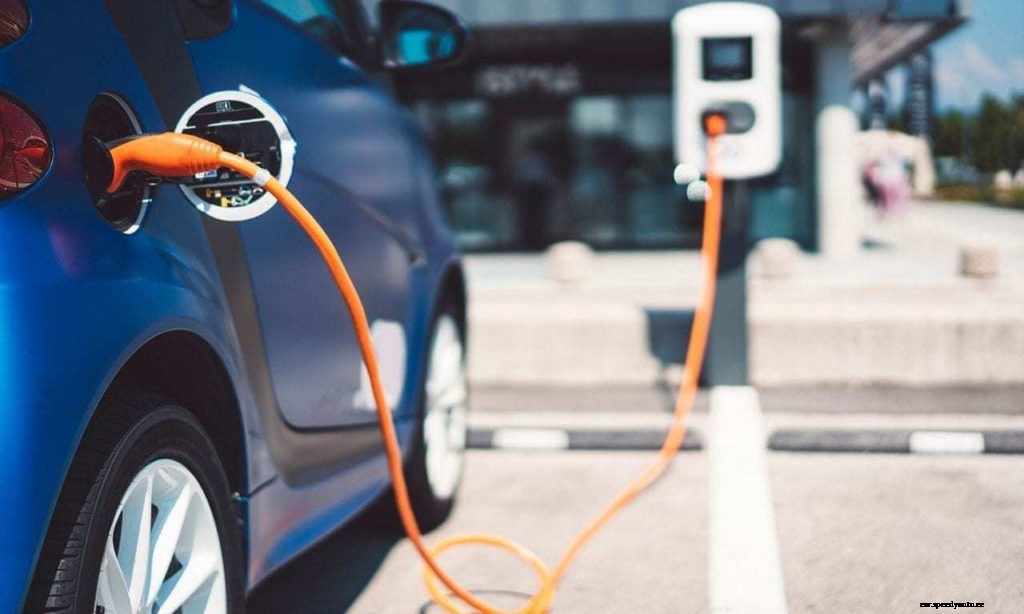
If you’re going out for an electric vehicle, you need to prioritize a few things which include the miles range, charge time, charging station outlets and battery life. Most electric vehicles nowadays have an after charge range of 200 miles and above, although your budget will determine your miles range.
Also, you need to consider the practicality of owning an electric vehicle. For instance, if you live in an area where it’s difficult to access charging stations, it wouldn’t make sense to own an electric vehicle. Otherwise, if you can afford to install a charging station at your home, you will wake up to a fully charged battery in the morning.
Talking of batteries, most electric vehicles need a battery change after 8 or 10 years, so you need to factor in the replacement costs later in the future.
Currently, electric vehicles are not yet popular as internal combustion engine vehicles. That means you have to pay more to purchase a standard electric vehicle compared to a gasoline vehicle.
However, you may qualify for a tax incentive of up to $7,500 if you buy an electric vehicle in the United States; and a probable tax credit of up to $5,000 in Canada.
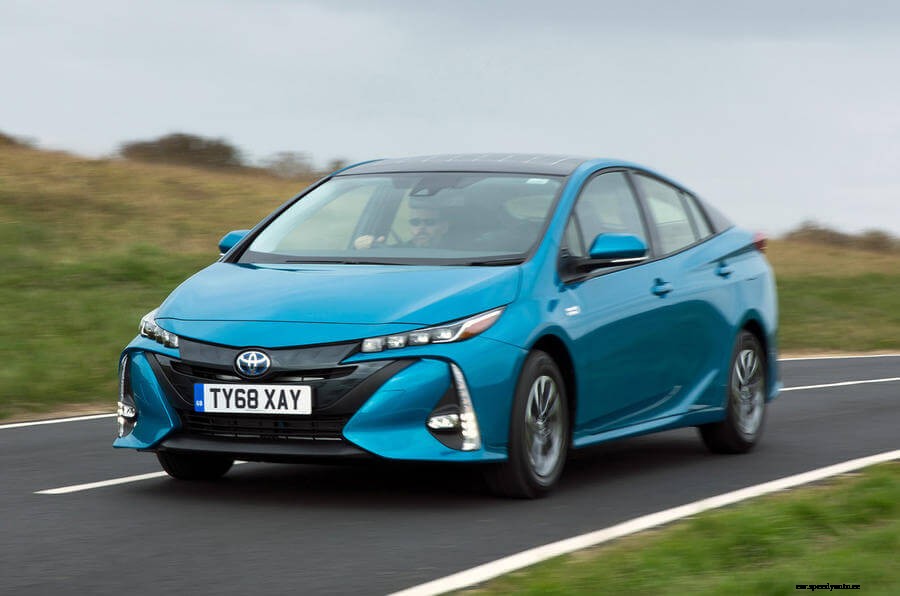
A hybrid vehicle uses both an electric motor and an internal combustion engine. The biggest advantage of owning a hybrid car is that you will spend less money on fuel compared to a gas vehicle. Just like electric vehicles, you will probably get tax incentives when you buy hybrid vehicles.
Keep in mind that are 3 main types of hybrid cars: parallel, range extender and plug-in hybrids.
A parallel hybrid car uses an electric motor or internal combustion engine to power your car, but sometimes it uses both simultaneously. It can also recycle the energy produced after applying the brakes to recharge the batteries.
A range-extender hybrid car doesn’t use an internal combustion engine to drive your car directly, but instead it uses a conventional engine as a generator to produce electricity to keep the electric motor recharged.
A plug-in hybrid is connected to an electric charger to drive a longer distance using electric power independently.
Their biggest disadvantage?
Hybrid vehicles can be more expensive to purchase and maintain than regular internal combustion engines. Moreover, you won’t find a lot of hybrid vehicles that are more powerful than regular gasoline or diesel-powered vehicles.
Despite that, hybrid vehicles are a good option if you want to reduce emissions and enjoy the benefits of both electric motor and petrol/diesel engine.
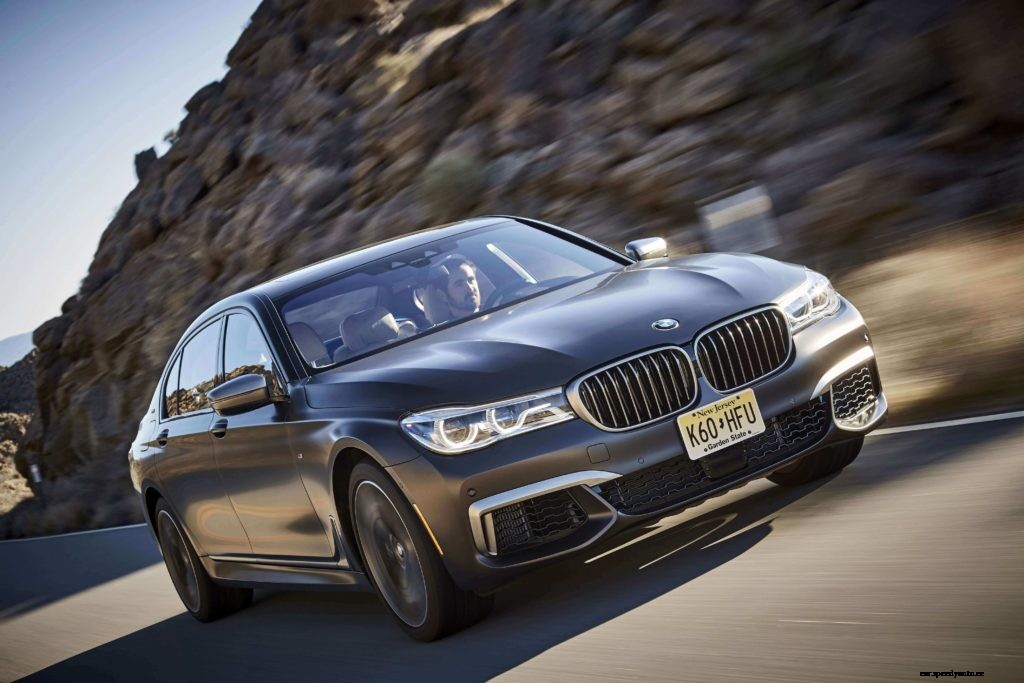
Most vehicles on the road are powered by internal combustion engines. Hence, internal combustion engine vehicles are more convenient since they’re cheaper than electric and hybrid vehicles. Not to mention, there are gas stations everywhere and you can refuel your car in just a few seconds.
Anyway, there are two distinct categories of internal combustion engine vehicles; gasoline and diesel-powered engines.
Which one is better? Well, it depends on what you want.
For instance, if you want to haul or tow heavy loads or live in the country where you need to drive up mountains, a diesel powered engine is a better option due to the improved torque. Also, diesel engines are more fuel efficient than gasoline engines.
On the other hand, gasoline engines tend to have more horsepower to deliver higher speed than diesel powered engines. Besides that, gasoline engine vehicles are less expensive to buy and cheaper to fix compared to diesel engine vehicles.
Another thing; if you’re living in places with extremely cold weather, gasoline engines are usually more reliable. Then again, if you’re living in areas with extremely high temperatures, diesel engines could perform better.
Even though internal combustion engines are cheaper and more convenient, they leave a bigger carbon footprint on the environment than hybrid and electric vehicles.
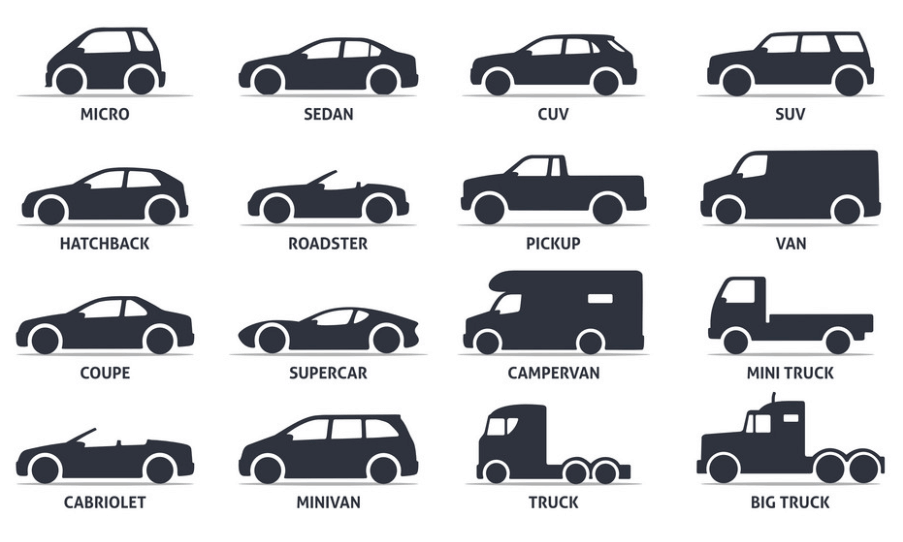
SUVs, or Sport Utility Vehicles are designed with a bigger body and a higher ground clearance than a regular car. If you want a vehicle with extra space that can easily navigate off-road or icy roads, SUV would be an ideal option.
Except for folks in Australia who call it a “ute”, a pick-up truck is made with a higher ground clearance just like an SUV. The big difference is that a pick up truck is designed with an open cargo area at the back. A pick-up truck is a good option if you want to haul or tow heavy loads.
Sedans are the most popular vehicle body styles you will see on the road since they’re based on the traditional car design. In contrast to SUVs and pick-up trucks, sedans have a lower ground clearance level and they can’t move a lot of weight. However, sedans are usually cheaper with better gas mileage than SUVs and pick-up trucks.
Otherwise known as Crossover Utility Vehicle, a CUV is breed between an SUV and a sedan. Most CUVs are comfortable with higher ground clearance than a sedan, but they don’t have superior off-road capabilities than SUVs. It is a good alternative for those who want a car that offers the advantages of both SUV and a sedan.
A station wagon is designed like a sedan, but instead of having the typical sedan trunk at the back, it features a long cargo area with windows and a roof that extends past the rear passenger seats. It doesn’t have the same ground clearance like an SUV, but it offers extra space.
Don’t get confused – there is usually a lot of debate about the difference between a station wagon and a hatchback since they almost look alike. A hatchback is designed with quarter windows or no windows at the back. Also, a hatchback doesn’t have a long extended roof covering the cargo area like a wagon.
A van is designed with a sliding door and it can accommodate more people than a sedan or an SUV. Most vans are used to transport goods or a high number of people; sometimes upto 14 passengers.
A coupe is designed like a sedan, but instead of accommodating 5 passengers, it can only carry two people. Coupes are also designed with two doors and a sloping rear roofline. Most race cars built for speed are coupe cars.
A convertible is like a coupe but with no roof. Most convertibles on the market are made with 2 doors but it’s not unusual to come across a model with 4 doors.
A commercial vehicle could be a truck, bus, trailer or a van. Basically, they’re vehicles suited for commercial duties like transporting precious cargo or ferrying many passengers. In fact, you will need a driving license endorsement to drive a commercial vehicle.
After figuring out the type of car you want, your next step should be researching the nitty gritty of the car models on your list.
You know, evaluating things like quality, reliability, cost of ownership, residual value and latest technology. That way, it would be much easier for you to make a wise decision.
The quality of a car is everything from the acceleration, horsepower, durability, car crash test rating, technology, comfort, gas mileage to vehicle dynamics. Heck! You would probably want a car that comes with an attractive stylish design rather than something ugly.
To know the overall quality of a car, you can check reviews and ratings from reputable sources like Consumer Reports. Also, all cars released into the market undergo mandatory testings done by regulatory bodies such as NHTSA and IIHS to assess if they’re road-worthy. Of course, you should know better and avoid car models that have been previously recalled by manufacturers – no matter how cheap you get them.
Another play it safe rule would be to avoid newly introduced car models in the market. Why? Because most manufacturers gather information about unforeseen defects and errors after introducing first year production models. No wonder, most recalled vehicles with quality issues are often the latest car models.
Lastly, if you can afford it, get yourself the highest trim level. Although you have to pay extra for a higher trim level, manufacturers add more features and equipment into the option package. In fact, sometimes vehicles with a high trim level have a higher horsepower and speed than vehicles on lower trim levels. However, it’s not necessary if you’re on a constrained budget.
Reliability is usually how many miles a car can hold up before it starts to have major mechanical problems.This is very important if you’re looking to buy a used car or intend to drive a car for more than 5 years.
Think about it this way; if you buy a car that has been known to reach upto 300,000 miles with very minor mechanical problems, that is a very reliable car. That means you can buy a used reliable car with 100,000 mileage, and still drive for 200,000 miles without draining your pockets trying to fix it.
On the other hand, if you get a brand new car that is good for the first 100,000 miles, you will spend a lot of money trying to fix it when it gets too old. Fortunately, you can research the reliability of the car you want to buy on internet forums and reputable sources like Consumer Reports and True Delta.
Residual value, or otherwise known as resale value is the estimated amount you expect to sell your car later in future. In most cases, the residual value of a car depreciates over time. Mind you, the residual value of your car also determines its worth at a trade in. But how can you predict the resale value of your car?
It’s simple, the resale value is evaluated based on a few things that include reliability, age, color, maintenance checks, vehicle type, popularity, accessories, warranty and brand perception. It’s like everything is connected; that reliable car that can go upto 300,000 miles will have a high resale value but only if it’s popular and made by a reputable brand.
Then again, vehicle types like SUVs, trucks, vans, coupes and convertibles have a higher resale value than sedans. That is because there are too many sedans on the market. Then again, you could be living in the North where it snows often and nobody wants a convertible, coupe or a sedan with low ground clearance.
Alternatively, you could sort out a limited edition vehicle with excellent performance and ratings and improve the residual value.
The cost of ownership is how much money you spend to maintain or service your car. Besides the buying price, it includes fuel costs, insurance, taxes, license, registration fees, maintenance and repairs. Remember, the cost of ownership should conform with your budget.
Ideally, your basic monthly vehicle financing expenses like interest payments and insurance shouldn’t be more than 10 percent of your monthly income; but if you want to stretch it a little bit if you count the fuel, maintenance and other miscellaneous costs, it shouldn’t go beyond 20 percent.
To calculate how much money you will spend on fuel, you need to research the miles per gallon (MPG) estimate of a car. Suffice to say, the higher the miles per gallon, the better the fuel economy. Mind you, most hybrid cars have a higher MPG than gasoline or diesel powered vehicles.
On the other hand, if you’re looking at an electric vehicle, multiply the electricity cost by the kilowatt-hour (KwH) value of your battery and figure out how much KwH it needs per 100 miles. The lower the KwH consumption per 100 miles, the less you will spend on fuel.
For other things like insurance, it depends on the type of vehicle you choose. The insurance rates for a luxury Mercedes Maybach wouldn’t be the same as the rates for a Honda Accord. That is just an example, but you can differentiate the rates when shopping for insurance policies.
What’s more, the taxes, license and registration fees differ from state to state. Regardless, the higher the buying price, the more taxes you will pay. The only exception to that rule is if you buy electric or hybrid vehicles that qualify for tax incentives.
Speaking of the cost of maintenance and repairs, it doesn’t take much to figure out it all comes down to your vehicle’s brand, type and model. In most cases, luxury car brands such as Mercedes-Benz, BMW, Audi and Cadillac are expensive to maintain and repair compared to Toyota, Honda, Kia, Scion and Lexus.
Even so, if you buy a vehicle brand or model that is not popular in your country or state, it would probably cost more to repair it since the spare parts would be hard to find.

Modern vehicles are equipped with the latest technology devices and features to improve safety, comfort and convenience. Take for instance, the smartphone key fob feature that lets you use your smartphone as a car key. Some modern cars can even be summoned through a smartphone.
Another latest technology is the 360 camera view that makes it possible to view your car from all angles like you were standing outside. How about a semi-autonomous technology that self-drives your vehicle?
However, buying a car with the latest technology features like autonomous driving can be expensive and if you can’t afford it, you can just opt for the basics like voice controls, park assist, adaptive cruise control, blind spot warning, forward collision warning, wireless charging, night vision, Apple Carplay/Android Auto, Bluetooth connectivity and adaptive headlights.
For advanced safety features, it would be crucial that you buy a car with dual front airbags, ISOFIX mounts, anti-lock braking system, window defogger, tire pressure monitoring and central locking system.
A car warranty is a guarantee your vehicle will be repaired or faulty parts replaced within a specific time frame after you buy the car. Usually, there are 5 common types of warranty which include factory, extended, bumper to bumper, powertrain and corrosion warranty. Now, don’t get confused; those types of warranty are different and it’s better to read the terms and conditions to understand.
First, factory warranty is also known as the manufacturer’s warranty and it mostly covers new cars straight from the factory. Depending on the vehicle’s manufacturer, a basic factory warranty will cover your repair costs within a period of 3 to 5 years. In other words, that could be between 36,000 miles to 60,000 miles – although some manufacturers can cover upto 100,000 miles.
If you’re buying a new car with zero mileage, always confirm that it comes with a factory warranty.
Otherwise, if the factory warranty expires, you have an option to choose extended warranty although you have to pay for it. An extended warranty is ideal if you’re buying a used car but make sure you get a good deal rather than overspending.
A bumper to bumper warranty covers specific components of your vehicle like the air conditioning, steering system, safety features, batteries and electrical components. Most likely, a bumper to bumper warranty will cover you for 36,000 miles or 3 years – but it can last longer.
But that’s not all; you can purchase a powertrain warranty to cover the cost of repairing the parts that generate and deliver power like the engine, gaskets, transmission, seals, transfer case, drive shafts and axles. If you want something to cover corrosion related repairs, a corrosion warranty will do.
However, it doesn’t mean that you need all those types of warranty at the same time. A basic factory and extended warranty are enough when a vehicle is brand new. Later, you can choose other types of warranty as you deem fit.
For the things that a warranty doesn’t cover, you need insurance. For starters, don’t just sign the first insurance policy that comes your way but take the time to research what other insurance companies offer. The last thing you want is to get screwed with ridiculous insurance payments that you can’t afford.
Don’t forget to read the fine print and do a background check on the reputation of the car insurance company you choose.
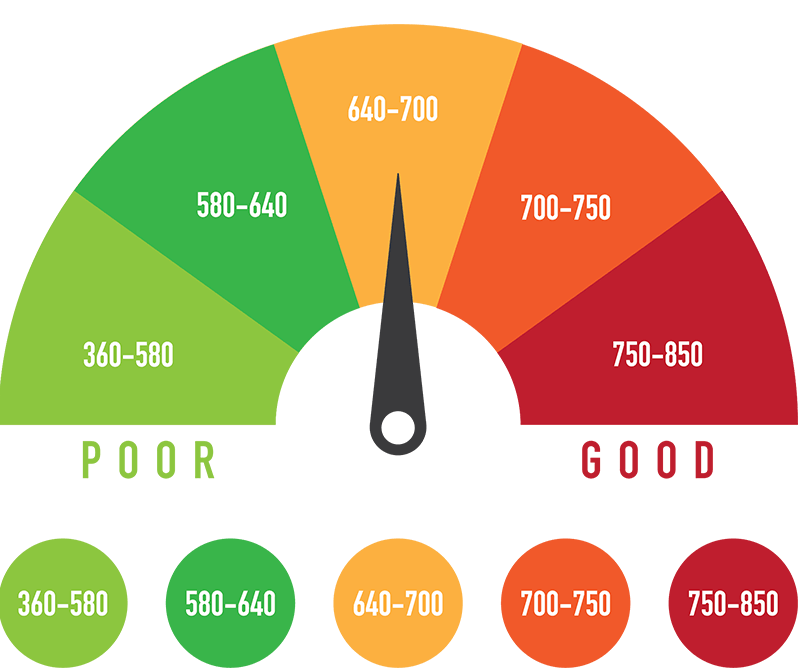
If you’re financing your car through a loan, your credit score will determine your loan limit and interest rates. As a general rule, the higher your credit score, the more lenders are willing to offer you favourable car loans with low interest rates. By contrast, the lower your credit score, the less your chances for a loan approval – and even if you get a car loan with a low credit score, you will pay high interest rates.
The average interest rates for a car loan serviced by people with a credit score of 780 and above is around 3.68 percent for a new car and 4.34 percent for a used car. Anything between 661 to 780 credit score will probably get you at least 4.5 percent interest rates on a new car- add plus one for a used car.
For a fair average credit score of 601 to 660, the interest would range between 7 to 10 percent. Beyond that, it would be very difficult to access a car loan with a deep subprime credit score of less than 500 points. Even if you do get a loan with less than 500 credit score, don’t be surprised if the interest rates go as high as 19 percent.
Anyway, keep in mind that the interest rates change every year or season. In other words, if the average interest rate for a borrower with a credit score of 780 and above was 3.68 percent for a new car less than a year ago, it could be adjusted a few months later depending on the economy.
Of course, if you want to improve your credit score, you must pay your loans before the deadline and avoid taking out loans that you can’t afford.
In accordance with the 20/4/10 rule that we talked about earlier, an ideal down payment would be at least 20 percent of the car’s sticker price. If you pay less than 20 percent for a new car, you won’t be doing yourself a favour since you will increase your interest rates and lock yourself out from getting better car loan deals.
In fact, if your credit score is low, most lenders won’t approve your car loan if you don’t commit at least 20 percent down payment.
In case you’re short on the down payment cash, you should consider doing a trade in for your old vehicle and use the value as a deposit.
As long as you have a fair or good credit score and a consistent source of income, you can request car loans through banks, credit unions, dealerships and online lenders. The biggest mistake most people at this stage is jumping the gun too fast before comparing the best rates from available lenders.
Even if you get a sweet deal with very low interest rates, you ought to read the terms and conditions. You would be surprised by the ridiculous clauses that are included in some car loans contracts. Of course, you wouldn’t know about it if you don’t read the fine print.
In addition to that, you should negotiate for a better deal or discounts before signing the contract. Your new car will be the collateral in case you’re short on payment , and you have every right to negotiate as much as you want.
Sure, the longer the loan repayment period, the lower the interest rates. However, it wouldn’t be a good idea to stretch the term for too long since cars depreciate in value and you don’t want to pay more than it’s worth. Using the 20/4/10 rule, the recommended term limit is 4 years or 48 months. But if you really can’t help it, don’t exceed 60 months.
Another thing; the interest rates for a used car are higher compared to a new car. It’s your decision, but you can counter the interest rates significantly by setting aside a bigger down payment. Just don’t make the mistake of rolling your previous car debt into your new car loan and go back to square one again.
Anything else? It would be wise to have your car loan pre-approved before walking into a car dealership. That way, it’s easier for you to stick to your budget rather than getting carried away.
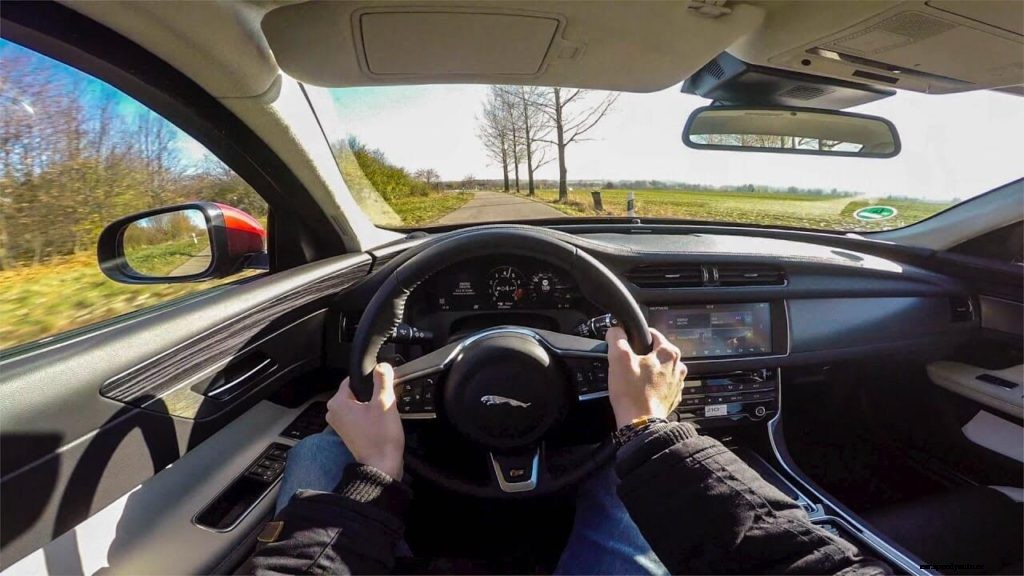
Since you will spend thousands of dollars buying a new car, you deserve to go on a test drive and see which car on your list will impress you the most. Find dealers in your local area who will let you test drive the car model you want to buy.
Try to test drive more than one car model on the same day so that it will be easier to compare. Talk the dealership into allowing you to test drive the car you plan to buy for at least 30 minutes over different types of road.
If you’re nervous or uncertain, you can ask a friend or family member to tag along for the test drive to give you a second opinion.
So if you’re going on a test drive, what are the grounds you need to cover?
In case of any unforeseen eventualities during the test drive like an accident, an insurance coverage will foot the bill. The chances are slim, but it’s better to be safe than sorry.
Usually, reputable licensed car dealers have insurance that should cover anything during the test drive, so don’t be alarmed. However, some dealers will require you to bring your own proof of insurance. That can be an inconvenience especially if you’ve never owned a car before, but you could sign a liability waiver stating that you would be responsible for the damages in case of an accident.
Another option would be to sign up for a short-term “named non-owner” auto-insurance policy that will cover property damage or personal injury liability when you’re driving a car you don’t own. Although, most dealers won’t have a problem if you show up with a driver’s license since their test drive cars are insured.
On the other hand, if you’re buying a second hand car from a private seller, the insurance will likely be covered from your end.
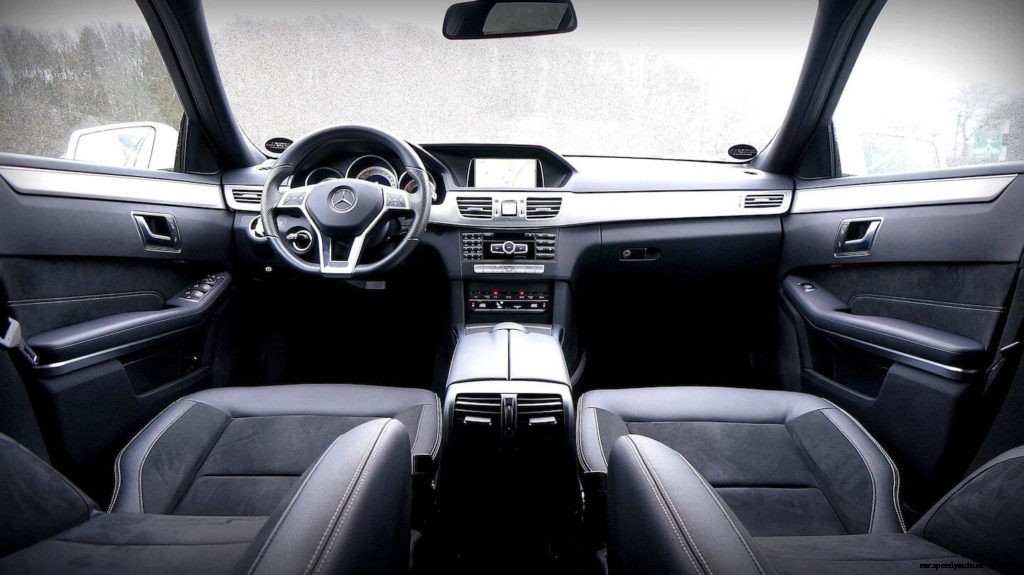
Before you even start the driving test, you should take your time to check the interior space. Here is what you need to do:
The point is to first sit on the driver’s seat to tell if it will be comfortable for your taste. Try to move the seat forward and backward or upwards and downward using seat adjusters until you find your ideal sitting position. If you have back pain or poor posture concerns, check out for cars with lumbar support.
While you’re seated, adjust the steering wheel by pulling the lever on the side to move the steering wheel higher or lower depending on your height. Also, you should adjust all the mirrors to an angle you can easily see what’s going on at the back.
Take a look at the interior features to see if there is anything that catches your attention like blindspot camera, infotainment system (Apple Carplay or Android Auto), Wifi connection, bluetooth connectivity, tablet display, air conditioning system and seat temperature controls. Don’t forget to check the dashboard layout to know the buttons you need to push or press to activate the turn signals, headlights and windshield wipers.
Next, you should sit at the front and back passenger seats to check if there is adequate legroom and headroom. If you have a child, check if the space at the back is enough to fit a child seat.
Open the trunk to see if the cargo space is practical enough to cater for your needs. If you’re test driving an SUV, hatchback, station wagon or a CUV, check if you can fold the back seats to allow more cargo space. Of course, you should confirm if all the spare parts are in their right place.
Most new cars at the dealership must pass a thorough pre-inspection test, and it is unlikely that you will notice any defects. But still, it’s possible for a new car to get minor damages during shipping, and if you’re spending thousands of dollars, you wouldn’t want to miss a thing.
Besides that, if you’re buying a used car, there are more reasons why you would want to check for faults. So how is it done?
This part is not necessary for new cars. However, if you’re planning to buy a used car, connecting an OBD-II scanner to diagnose unsolved engine problems could be very helpful. Just make sure you know how to use an OBD-II scanner before you connect it.
Pop up the hood and examine if the engine compartment is in mint condition. If it’s a new car, it will probably look new and shiny as expected. But if it’s a used car, check out for signs of rust, corrosion and oil leaks.
This part is not necessary for new cars. This is because a new car straight off the factory is unlikely to have been involved in an accident. However, a used car is another story. Anyway, look at the frame of a used car to see if it’s straight. In most cases, if the fender line of a used car is not straight, it could mean that the car was previously involved in an accident and restored. Don’t forget to check the seam on the hood, doors and trunk.
Whether it’s a new or used car, you need to visually inspect the exterior for any signs of scratches, dents, or paint fades. A brand new car at the dealership should be shiny with a glossy effect to extent you can see your reflection.
Again, this part is not necessary for a new car. Otherwise, if you’re planning to buy a used car, you should check underneath for any signs of fluid leakage. It should be as dry as a bone!
Before you check the tire treads of a used car, go to the back or front of the car, and visually inspect if the wheel alignment is straight. You may have to bend over or squat a little bit to get a better viewing angle. If you notice any of the tires are tilted inwards or outwards, it could be an indication there is a problem with the wheel alignment. Additionally, check if the tire treads are in good condition.
It’s quite simple; while standing at the front, push down a used car to bounce it up and down then quickly remove your hands. If the car keeps bouncing up and down a couple of times after you let it go, there could be a problem with the shock absorber. But if it’s a new car, this test is not necessary.
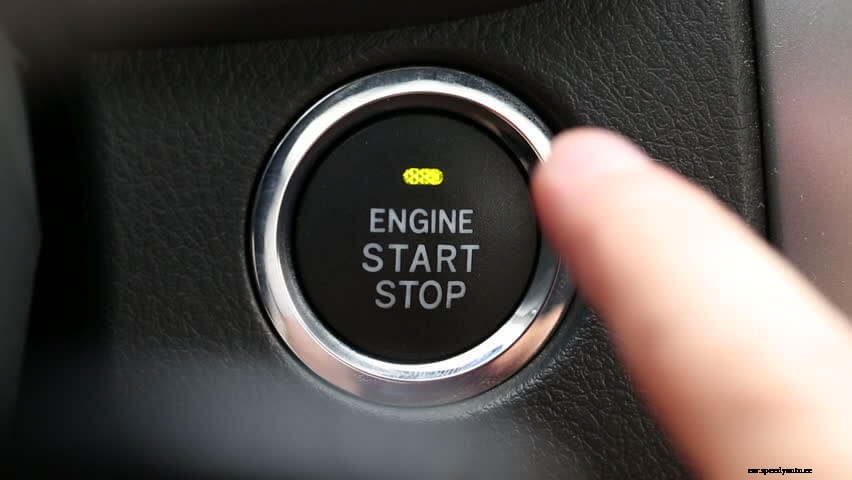
When you enter the car, you start the engine and drive off, right? Not so fast! After you start the engine, you should check for a few things.
If you see a light on your dashboard, that is a sign you should check on something or it’s telling you some features are activated. Most likely, it’s not a cause of concern if you spot a warning light telling you to tighten your seatbelt or close the door if you forgot. Also, the check engine light, airbag light and ABS light should pop up and go away; although it depends on the car model.
However, if you see a persistent red warning light, it could be a serious issue especially if it’s a battery, brake system, tire pressure or electric power steering sign.
Once you start the engine, it should be quiet with no weird noises or vibrations. Any clicking or ticking sound is a symptom there is a problem with the engine.
Sure, all cars must pass an emission test before they’re released to the market, but it will only take a few seconds to rev up the engine and look at the exhaust. Unless there is an issue, there should be no smoke whatsoever.
Does the air conditioner work to your satisfaction? What about the heated seats? How about if you pair your smartphone to the infotainment system or you test the navigation system? Some modern vehicles come with advanced technology like 360 degrees camera view, smart summon or smartphone as key feature. Remember to ask the dealer if there is any cool feature you should know.
Finally, you have to drive the vehicle to assess the performance of your potential next car. But first, you should request the dealer or salesperson to test drive the car in three different types of road which should include; town, highway and off-road terrain.
Otherwise, you should evaluate the following things when test driving the vehicle:
How easy is it to drive out of the parking lot? Does it have parking assist? If you’re looking for the latest technology, a reversing camera, parking sensors and auto park system will help. However, if you don’t mind reversing the old fashioned way, front and back visibility through the windows and mirror is just fine.
Pay attention to the steering wheel especially when you’re turning or changing lanes. A good quality steering wheel should be light, predictable and easy to control.To put it another way, the steering wheel shouldn’t be heavy making it difficult to maneuver. Also, you should confirm if the tires respond to the steering wheel movement quickly or slowly.
Take the car to a bumpy road to feel if the suspension will recover immediately after the car hits a pothole or a crack. A car that fidgets too much after driving over an imperfect pavement can make any driver go crazy. Some car models have adjustable suspension systems and you can activate different modes until you find the most comfortable setting.
Go to a highway and see how fast it can accelerate. Is it quick enough for your preference, or does it lag behind? If you’re driving a manual car, you need to make sure the gears can shift smoothly and the clutch doesn’t stress when engaging the biting point. Alternatively, if you’re driving an automatic, you shouldn’t feel when the vehicle is changing gear but it should accelerate as soon as you step on the gas pedal.
When pressing on the brakes, the car should come to a stop smoothly without jerking. All modern vehicles have anti-lock braking systems (ABS) which react quickly and prevent the wheels from skidding. However, if you’re driving a hybrid or electric vehicle, the braking response may feel slightly different.
When you’re driving on the highway, close the windows and switch off the radio. Next, try to listen to your surroundings or engage a conversation with the salesperson. A well designed car should be sound proofed with no wind or excess external noise when the windows are rolled up.
Modern vehicles nowadays are equipped with some form of driver assist technology. For instance, you could activate cruise control during the driving test to see if it works. Other than that, you could be driving a car with semi-autonomous technology and you don’t want to miss the chance to test it.
After going through the test drive process, avoid buying a car the same day even if you were impressed by what you saw. There are just a few nitty gritty steps you need to consider before you finalize the deal.

Finding the right dealer will prevent you from getting scammed or short changed into a bad deal. If you have been buying your previous cars from the same dealer who you trust, then it will be easier for you. However, if you don’t know where to start, you need to do your homework until you find a reputable dealer.
First, you need to research online for the nearest dealers in your area. Second, you need to check online reviews; that means reading both good and bad reviews about a particular dealership.
What else? You need to dig deeper and research customer complaints via a credible organisation. For example, Better Business Bureau keeps a record of repetitive customer complaints of registered dealers dating back to three years ago. Suffice to say, if you find out that a dealer is unpopular because of too many unsatisfied customers, it would be better not to take the risk and become the next victim. There are literally thousands of dealers across the country and you should be spoilt for choice.
Of course, you should ask around and talk to friends, family or neighbours to refer you to where they bought their car. Don’t forget to confirm if a dealer is registered.
Last but not least, you should consider how long a dealer has been in business. Most trustworthy dealerships have stood the test of time since they’ve a loyal customer base.
Here is another thing; listen to your intuition. If you even catch a whiff that something is off about a dealer, just listen to your instincts.
Finding the best price on the market could save you a few thousand dollars. What are the basics you should be aware of when trying to know if the dealer is giving you a fair price?
The internet is your friend! All it takes is a quick Google search to find out the manufacturer’s suggested retail price (MSRP) of the car you want to buy. But here is the thing; the MSRP is not final and you can negotiate for a better deal with the dealership.
The invoice price is lower than the MSRP. This is because the invoice price is how much the dealer pays the auto-manufacturer for a vehicle. In most cases, the dealer won’t go down below the invoice price when selling you a car. Still, if you know the invoice price, you can tell when a dealer is selling too high beyond a reasonable price.
When you want to buy a car, you can research what other buyers in your market paid for the same vehicle model and year make. That is what we call a ‘fair purchase price’ and you can use it as leverage to bargain for a better deal.
Try to purchase your car at the end of the month, quarter, year or any special sales event when dealerships have an incentive to lower prices trying to meet manufacturers’ selling targets. Also, if you’re buying your vehicle with cash, try to negotiate for a discount.
Without a signature, the buyer’s order is not a binding contract. Hence, you could request it to figure out the door price you need to pay to drive the car out of the dealership. Also, the buyer’s order usually includes information about the vehicle such as model, year make, VIN number, warranty, insurance, MSRP and add-ons.
Note:
Besides the car’s price, you ought to calculate how much it will cost if you factor in the loan interest rates, loan term, insurance, warranties minus the down payment and possible trade in value.
Buying a car is not like buying a snack without a second thought. If you go in blindly or desperate, you may end up with a car that you don’t like. What’s even worse is taking out a car loan that you would struggle to afford.
On the bright side, if you take your time to consider all your options, you will have better odds to get a good deal. Most importantly, think about the quality, reliability, performance, cost of ownership, residual value and latest technology features.
Similarly, if you’re not sure about something, you can go back and revisit it until you’re confident to make a decision.
If it is a used car, check the ‘certificate of title’ to confirm it matches with the car’s VIN number. You would also want to make sure the used car was not salvaged and listed to the current owner by going through the certificate of title.
For the delivery, you can either choose to go pick up your new car at the dealership or have it delivered to your address. In fact, some auto manufacturers offer an option to buy a car through their official website. After processing the payment, you can pick it up at the nearest service center. If that option is available, you can skip the dealer or the middleman.
The alternative would be to visit a dealership to finalize the deal, but make sure the car is in mint condition and they’ve complemented it with a full gas tank. In addition to that, read every word and number on your contract. Pay closer attention to the quoted price, warranty, VIN, and interest rates if you took a financing option.
After buying the vehicle, you can request the dealer to do a walk-through and show you how to activate basic controls and features installed in the car. Actually, it’s not that hard and you can learn all the controls if you just look at the manual.
Later, whisk away into the sunset in your brand new car.
