
Our car braking system works effectively thanks to a very important component known as the master cylinder. The brake master cylinder converts mechanical pressure applied on the brake pedal into hydraulic pressure that is needed by the brake calipers to squeeze the brake pads and slow the car down. Unfortunately, like all other components in the car, the brake cylinder can also fail.
Below are 5 symptoms of a bad master cylinder you need to look out for as you commute in your car. But first, let’s discuss how a brake master cylinder actually works.
The main job of the master cylinder in the brake system is to convert the pressure exerted on the pedal by the driver’s foot into hydraulic pressure. It accomplishes this forcing the brake fluid into the brake circuit.
Whether your car is equipped with drum brakes or disc brakes, it has a master cylinder in it that manages the amount of brake fluid that flows into the brake circuit depending on the pressure placed on the brake pedal.
It required that all vehicles have two different braking circuits in them. Tandem master cylinders are responsible for generating the hydraulic pressure needed by the circuit. This way, one circuit will have all the braking pressure necessary to remain functional if the other braking circuit stops working.
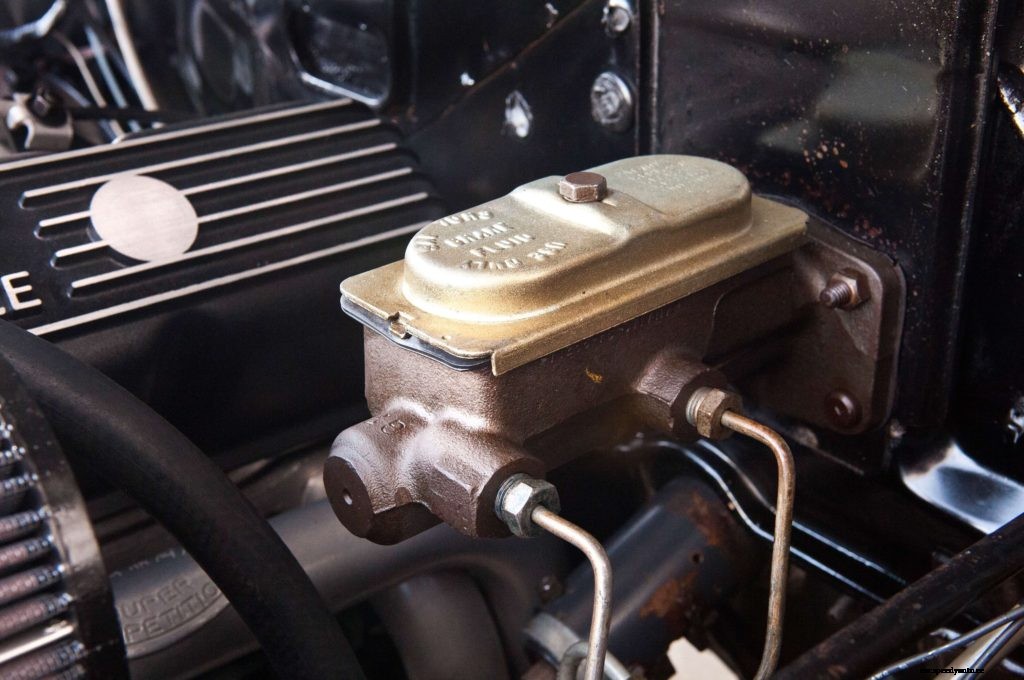
Since the master cylinder is the component that generates the pressure needed for the braking system to work, when it has issues sealing or distributing pressure, this will be felt in the pedal and the brake behavior.
Over time, the seals inside the master cylinder will wear off and form internal leaks. And one of the symptoms of a bad master cylinder is a brake pedal that feels spongy, mushy, or slowly sinks to the floor when stepped on.
Under normal circumstances, a functioning brake pedal should feel firm when depressed. The brake pedal is connected to the master cylinder with a push rod. In order to activate the brake in both the front and rear wheels, the master cylinder has to generate the right level of hydraulic pressure in the braking system. This is the main reason why the brake pedal might feel spongy when there’s a problem with the master cylinder.
Though the most common cause of a spongy feel in the brake pedal is a bad seal, however, the presence of air in the brake lines can also produce a similar effect since the air bubbles prevent the fluid from flowing in an efficient manner. Damage to the brake lines and rust can also make the pedal feel spongy when depressed.
When you put your foot on the brake pedal, the pressure is transmitted to the master cylinder which in turn pushes the pistons present in the cylinder. All this pushing and movements displace and direct brake fluid through the brake lines and to the brake components in each wheel.
Located under the brake fluid reservoir is a sensor that shares information with the car’s onboard computer letting it know if there is enough fluid in the reservoir or not. When this happens the computer will turn on the brake warning light on your dashboard.
While this is the earliest symptom of a bad master cylinder, it is not the only reason the warning light might come on. The brake fluid level sensor can also develop a fault, and as a result, can trigger the brake warning light.
Aside from that, you will also get the brake warning light when the brake fluid level is low. If you have noticed that you’re adding brake fluid to the reservoir more often than before, then it is possible that there’s a problem with your master cylinder or a leak somewhere in the brake system.
Most of the brake fluid that you fill the reservoir with is contained in the master cylinder and the brake lines.
This master cylinder is located at the bottom of the brake fluid reservoir. Check for leaks in the proportioning valves that connect to the separate brake circuits and the fluid control valve which conveys fluid from the brake fluid reservoir into the master cylinder.
If you suspect a leak, then you’ll need to go under the car and trace the brake lines from the master cylinder for signs of a leak or rust.
We already made mention that when the brake system is working properly, the pedal feels when stepped on. One of the surest symptoms of a bad master cylinder is a sinking brake pedal.
Normally, when you step on the brake pedal, it should return to its original position immediately you take your foot off of the brake pedal. With a sinking brake pedal, it no longer returns to the starting position but stays close to the floor. Depending on the level of damage to the master cylinder, the brake pedal may still go back to its normal position, but it might take a while before it gets there.
This is not safe and you should never drive a car with a sinking brake pedal. You’ll be putting yourself, the occupants of the car, and other road users at risk since the brake pedal cannot respond to sudden stop attempts due to changes on the road. It’s important to get the brake system checked as soon as possible.
The master cylinder has a couple of rubber seals in it. Other than contributing to the brake pedal feeling spongy, rubber seals that are damaged will break up and encourage the contamination of the brake fluid. When the seal has lost its sealing capabilities, dirt, debris, water, and other particles will find a way through the opening of a bad seal, and when these contaminants mix with the brake fluid, they affect the hydraulic pressure making it more difficult to bring your vehicle to a stop.
If it takes your vehicle much longer to stop when you step on the brake pedal, then it might be that the pressure in the brake lines is not enough to engage the brake pads properly on the wheels. This should warrant an inspection of the brake circuit, master cylinder, brake line, and brake pads by a qualified mechanic.
Make sure the vehicle is parked on level ground and the emergency brake/hand brake is engaged so the car doesn’t have any reason to roll away while you’re working on it.
Pop the hood and inspect the rubber hose from the intake manifold to the brake booster. It might be time to replace the master cylinder if you spot fluid leaks, and if you find cracks, swollen areas, or hard spots on the hose, replace them as soon as possible to avoid a complete breakdown.
Start the engine and let it idle for about three to five minutes. Get a spray bottle filled with soapy water and spray the content on the vacuum hose and fittings. If you spot air bubbles on the hose or fitting, it means that there is a vacuum leak in the system, then you’ve got some maintenance to do so get a new hose.
Get in the driver’s seat and turn off the engine. Now pump the brake pedal repeatedly until the pedal feels stiff. Continue applying pressure to the pedal then start the engine. You should feel the brake pedal sink a bit as the engine comes on, but if that doesn’t happen you might be dealing with a faulty brake booster.
Let the engine idle for a while after this then press the brake pedal. If the engine stalls or you notice a significant drop in the idling power, then there’s a vacuum leak in the system.
Please note: if you inspect individual exterior components and you see no problematic signs, then it’s likely that the master cylinder is faulty. It might have even failed already.
The average cost of replacing a bad master cylinder will be somewhere between $250 and $550 if you get a professional to do the job, which is highly recommended.
The cost of the cylinder and related parts, plus new brake fluid and brake cleaner, will cost less than $320. Labor costs about $250 or less. Since the brake fluid is often contaminated when the master cylinder or seal fails, you’ll need a bleed kit to flush the brake fluid in the brake lines.
If you have good knowledge of vehicles and braking systems, you’ll save yourself a fortune by doing the repair by yourself. However, it is a sensitive job that requires enough experience else you might incur expensive damages.
It’s hard to ignore the symptoms of a bad master cylinder. Have you noticed one or all 5 symptoms of a bad master cylinder listed above? Then you should take your car to the mechanic’s place to get the issue fixed. This is one of the car maintenance that increases the service life of your car.
Ensure you have quality brake fluids, brake pads, and good tires. Remember, by ignoring the symptoms, you are putting the occupants of your car, yourself, and other road users at risk of an accident.
