
You bought your car, you took it around everywhere, and it now has some miles on its clock. Your maintenance schedule has kept your 4-wheeled friend running like new for many years. And yet, there are times it gives you trouble – and you have no clue what the cause is or which part is affected.
Here are eight common car problems (and their solutions!):
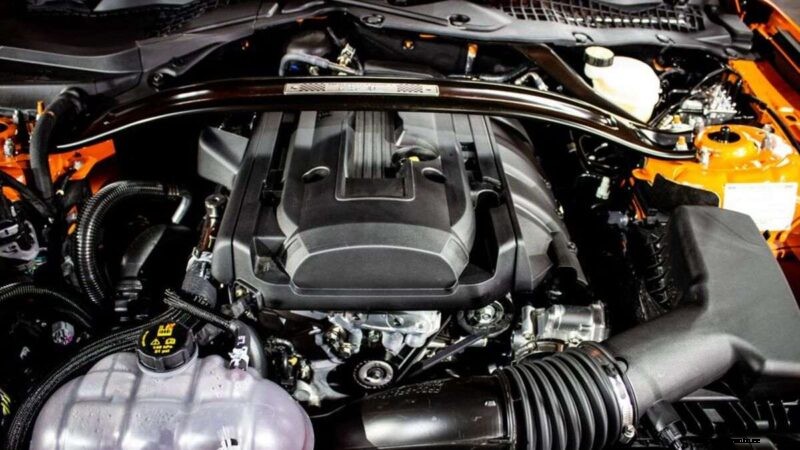
Engine misfiring occurs as a distinct pop sound when you start your engine. We all know that internal combustion in an engine occurs as a cycle of intake of air-and-fuel mixture, burning it, and outletting fumes via the exhaust. If something interrupts this cycle, a misfire happens. There are several possible reasons for this, with the most common being a spark plug problem.
If you find that your engine is misfiring:
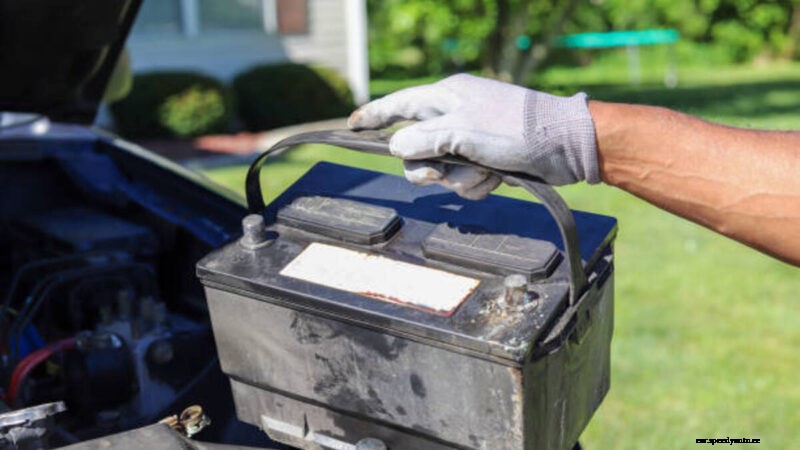
It is also one of the problems that renders your car undriveable and ruins your day. The symptoms of a dead battery are evident when you start your car. A dying battery will take longer to crank the engine and get started while a dead battery will not start the car. There are a few causes for a dead battery, which are:
If you find that your car battery is not responding then:
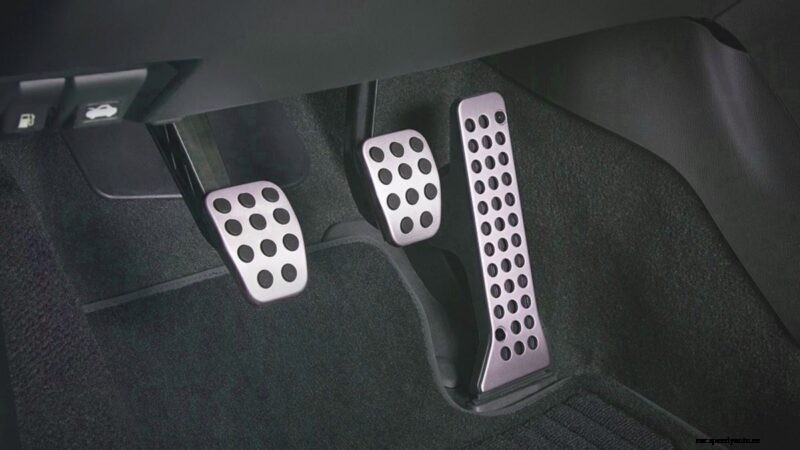
A normal clutch pedal is smooth and easy to operate, doing so without any breaks. When you feel that you are using more than usual muscle power to push the clutch pedal, there is a problem with it. Let’s see the possible causes:
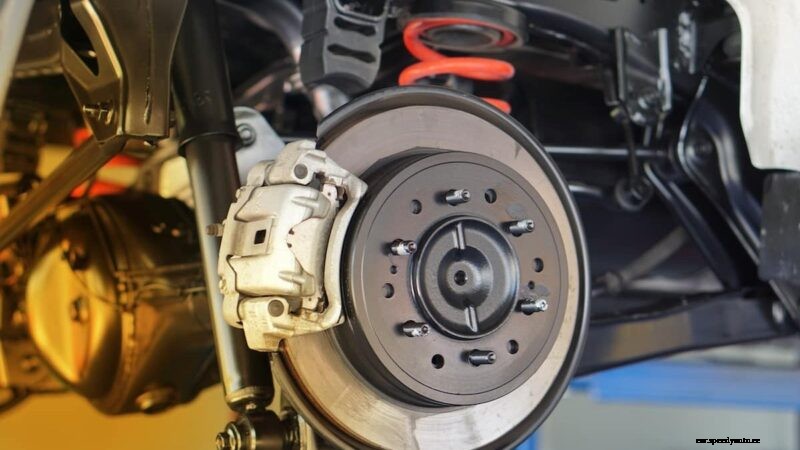
Pressing your brakes making them squeak out loud? That’s a clear call for help! At times wet brakes might emit a squealing sound and this is caused because of the water layer on the brake pad or brake shoe. Once the water has dried off that sound should go away. If it doesn’t then the brake pads or the brakes shoes have worn out and require replacement. It would be a good idea to get these replaced as brakes are a very crucial and integral part of driving.
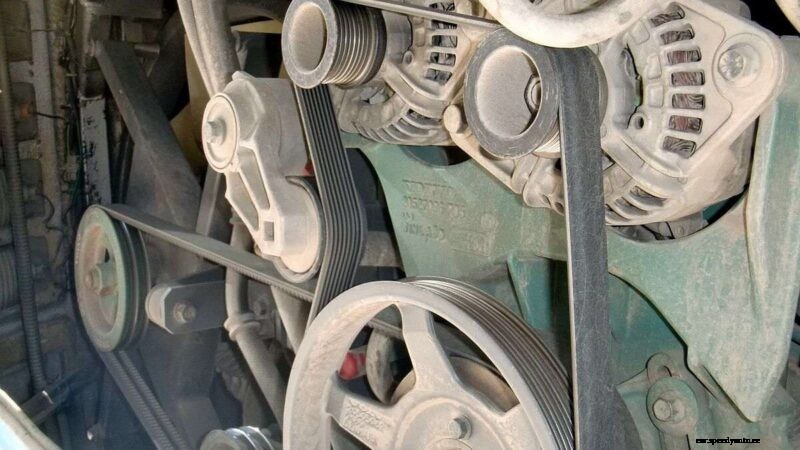
So, you started your car one fine day and it just howls back at you, scaring your socks off. While the sound is scary, the cause for it is a worn drive belt that is on its last legs. The drive belt drives a number of crucial accessories like the alternator, power steering pump and the water pump. These are relevant for functions like battery charging, steering control and climate control in your car. The drive belt can be replaced at your nearest garage, and you can get your peace of ears back.
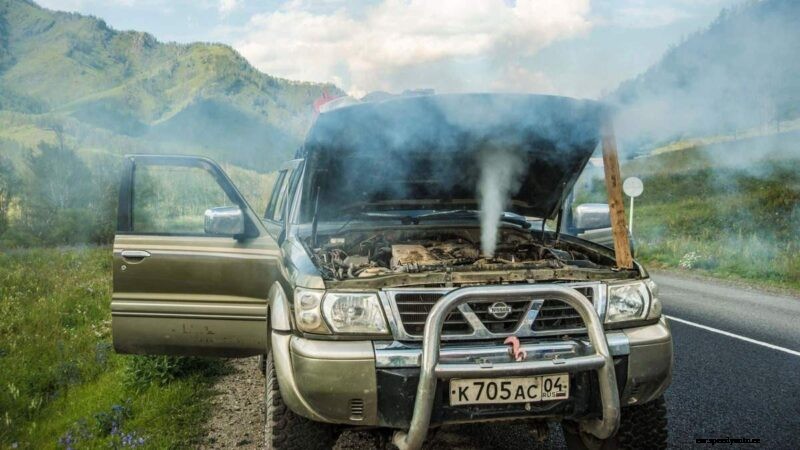
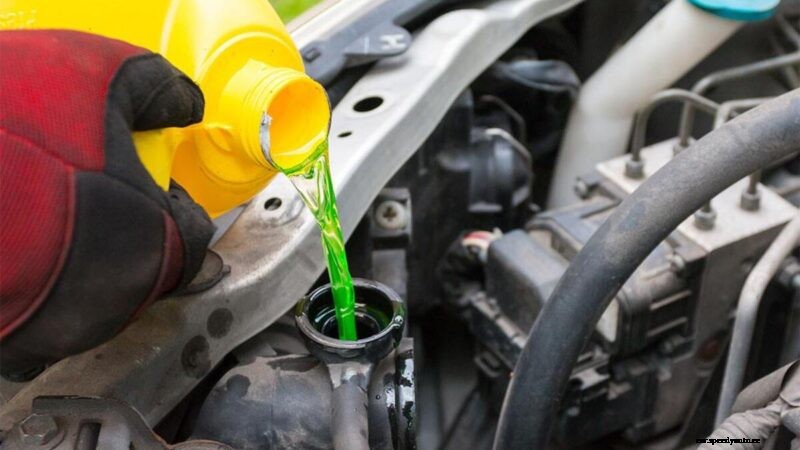
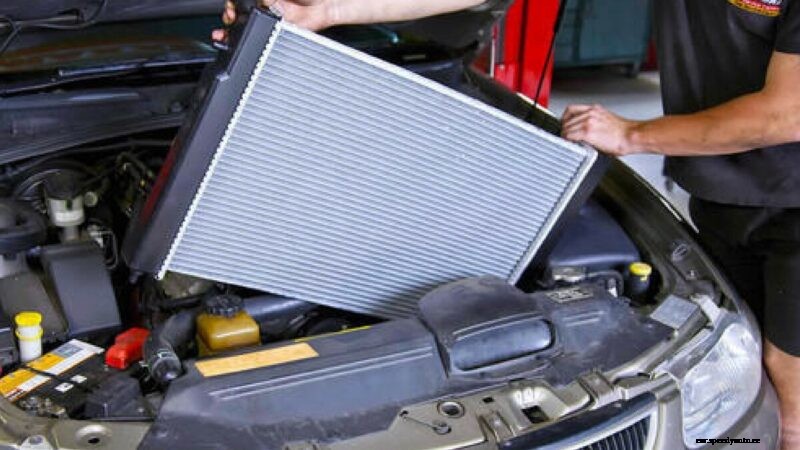
A car engine gets hot due to its internal workings. That’s normal. And there are radiators and coolants to keep its temperature regulated. But if you find the temperature gauge shooting up, that’s cause for concern because the engine can heat enough to melt itself! Here’s what you can do to cool your car’s engine:
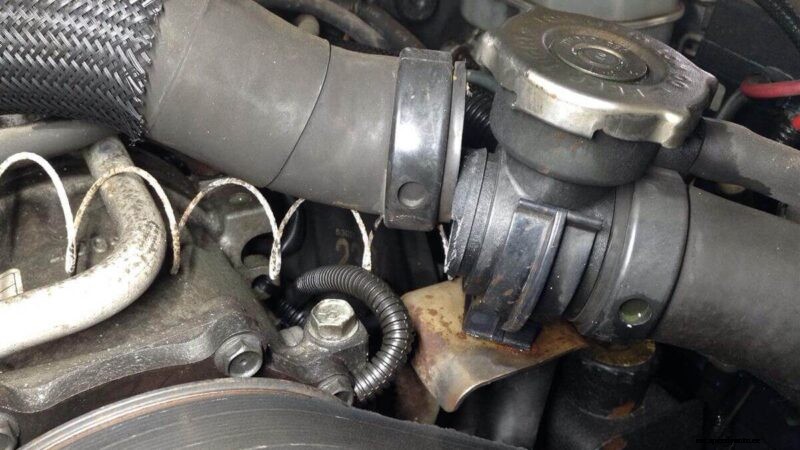
Hoses and Pipes in a car engine

Cars today have assisted steering also known as power steering. This helps in overcoming the physically exhausting manual turning of the wheels. With power steering, your steering should feel responsive and effortless. If this becomes unresponsive then driving would become a dangerous situation as the car would not respond to your steering inputs. If this is the case then the possible cause could be loss of steering fluid or failure of the electric motor that gives power to the steering wheel. In the case of the former you can check the steering fluid and top it up, but in the case of the latter a visit to the garage is necessary.
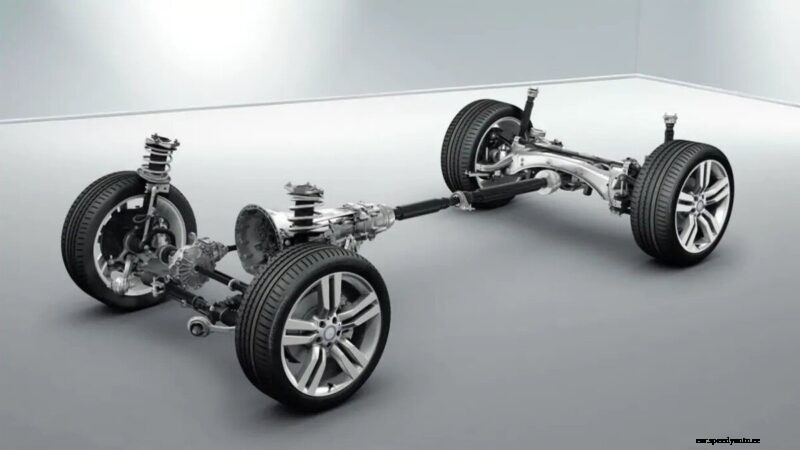
A rattling suspension in most of the cases is caused by loose nuts, bolts or worn out bushings. These can be replaced very easily if you can get under the car. If not then it would be wise to go to the mechanic. In the worst case scenario, the suspension parts may be seeing a significant amount of wear and tear or rust. Ignorance is not always bliss and you should always get the car checked if you notice unusual noises and aren’t able to pinpoint the location. In case of intensive rusting, which will ideally happen if the car is too old or has been in a humid environment, there is no way to save it and ideally the part should be replaced entirely.
No, it isn’t. Immediately get your vehicle to the garage and have it checked out. The longer you drive, the more damage you inflict to the engine.
Yes, you can. If you have loads of strength in your forearms driving a manual steering should take some getting used to, but you can drive it. A word of caution however, you should get the unresponsive steering checked though.
Absolutely not. Not only will it cause you discomfort, continued driving with a stiff clutch could have a detrimental effect on the clutch assembly, costing a bomb. So, better get it changed at the earliest.
Known as the bounce check, you will need a strong helper to bounce your parked car up and down at a fast rate and listen to sounds coming from the car. Pinpoint the location of the and take suitable action.
Absolutely. After it cools down you can take your car for a drive, but make sure that you’ve taken care of the necessary cooling measures to avoid a duplicate situation.
