
The heat generated in a gas car is a straightforward affair, but electric vehicles can’t rely on the heat generated by the engine to keep passengers warm. Electric cars can still keep drivers toasty in winter months, but they utilize unique methods to warm the car cabin.
Electric cars keep warm using resistive methods, which generate heat when electrical current flows through a resistor. Alternatively, they utilize a specialized heat pump system, which extracts thermal energy from the outside and transfers it into the cabin.
If you ever wondered just how electric vehicles fare in colder climates or winter months, here are some explanations on how your electric vehicle functions to keep you warm.
Electric cars keep you warm in winter by using resistive heating, positive temperature coefficient heating, or heat pumps. The first two techniques use electrical resistance to convert electricity to heat, while heat pumps extract heat from the cold air outside and transfer it to the cabin.
| Resistive Heating | Positive Temperature Coefficient Heating | Heat Pumps | |
| Overall Efficiency | 98-99.5% | 100% | 300% |
| Pros | Cheap Quick heating Requires less power in summer | Safe Energy efficient Flexible | 3 times more efficient than other methods Quiet Air quality |
| Cons | High power consumption in icy temperatures Reduced range in cold weather | Not as efficient as heat pumps Fouling | Expensive to install and maintain High power consumption |
Here’s a rundown of how the three heating methods work as well as their pros and cons:
Electric cars use resistive heating by electrically heating wires wrapped around your car’s heater core.
When you turn on the car’s heat, electricity will flow through these wires, and they’ll get hot. This process takes time, and the heat output will be limited until the cabin heats up.
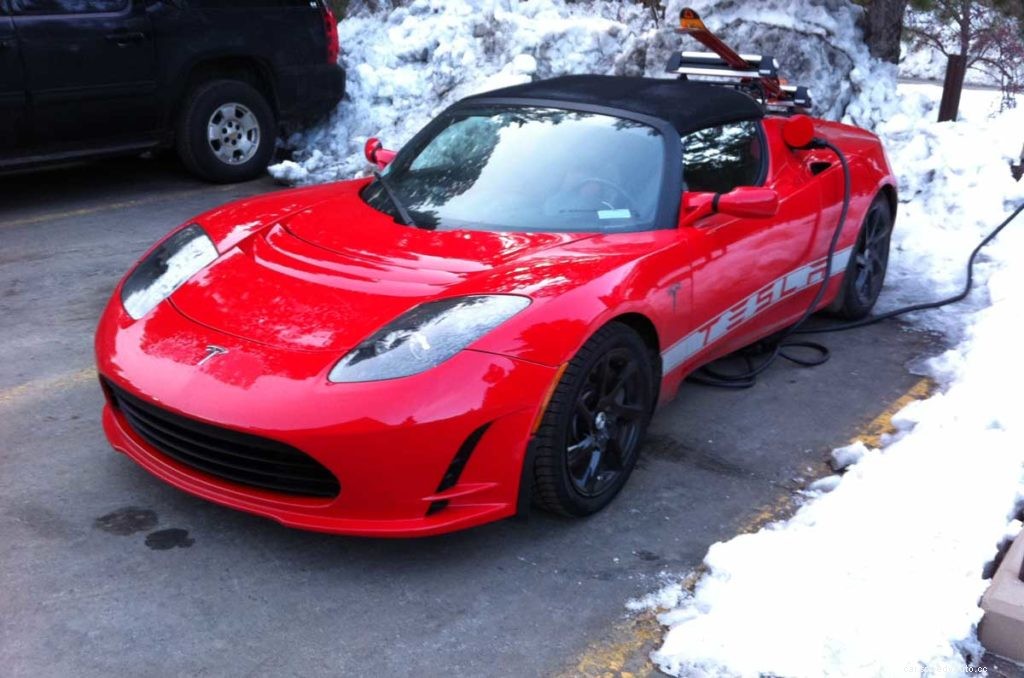
Although initially chosen as the primary heating system for EVs, most manufacturers have shied away from their high energy consumption. However, we can’t deny that they had some advantages.
The pros of resistive heating include the following:
The extreme lack of energy efficiency has made these systems practically obsolete in modern EVs.
Here are the cons of resistive heating that caused their decline in popularity:
Electric cars also employ positive temperature coefficient (PTC) heating by using conductive inks printed on polymer substrates. When electricity travels through the conductive material, it’ll heat up.
That said, PTC heating is much faster than resistive heating – electricity passes through almost as soon as you turn your car’s heat on. This technique also allows for greater energy efficiency as the electric resistance produces only a small amount of heat.
The pros of PTC heating include:
Although PTC heating is a popular alternative in EVs, the system does have some shortcomings that you should consider.
The cons of PTC heating systems include:
The third heating method in electric cars is using heat pumps. Heat pumps extract frigid air from the outside and pass it over a particular type of material to help transfer warmth from the colder air to your cabin.
This process uses an external power source such as a power outlet or an additional heater core, and it can efficiently improve your car’s overall temperature.
Heat pumps are the most popular method of electric vehicle heating mainly due to their excellent energy efficiency.
The pros of heat pumps also include:
Although heat pumps are the future of EVs, they do come with a price tag. They tend to require more maintenance and care along with other shortcomings.
The cons of heat pumps also include:
That said, this YouTube video by Transport Evolved is an excellent primer on how EVs use the heating techniques I’ve described above:
Electric vehicles work in the cold and can travel just as well during winter as in summer. However, their driving range decreases at lower temperatures since they require more power to heat the battery and start the engine for the first time in colder weather.
Although EVs still function in colder weather, expect to recharge your battery more often to maintain the same mileage that you achieve in summer. if you’re willing to sacrifice a few miles to get on the road right away, you’ll be fine. You merely need to be more vigilant about charging times, as the last thing you need is to be stranded on an icy road.
An electric vehicle doesn’t need to warm up before being driven, but it uses more power in cold weather when you first turn on your car’s heat and start driving. The battery needs to heat up to improve driving efficiency and experience.
When it’s cold outside, your electric car will need more power than usual to heat the battery and get everything running smoothly. Because of that, it’s essential to charge your car in advance before you start driving or wait until the temperature rises to enjoy a higher traveling range.
Electric cars have problems in cold weather and will experience a decrease in range. According to research by AAA, frigid temperatures reduce an electric car’s driving range by up to 41%. This decrease in range necessitates drivers to recharge their electric vehicles more often.
The 41% drop in battery life is quite a considerable drop in range, reducing your mileage per charge almost in half. Therefore, before driving your car in winter, always remember that you won’t have the same amount of power in the battery as usual.
You should adequately prepare yourself and your vehicle for any journey ahead to avoid running out of battery when you need it most.
Here are a few important ways to maximize your EV’s driving range during the winter:
Pro Tip: Besides your car’s heating system, I recommend getting the Milukon Car Heater (available on Amazon.com). It helps defrost your windscreen in minutes, saving your EV battery power. It’s also competitively priced and easy to install and can even double up as a fan during the summer.
Pro Tip:
There are two modes of defrost. The first one is just a regular defrost and if you click on it a second time it will activate a heated version, which will crank the temperature all the way to high. In some situations, this might be a better mode to drive in. I hope this helps.
It would help prepare for your journey ahead adequately and charge your car beforehand. It’s also essential to limit heater usage when driving, as this quickly drains power from the battery.
