
With half of 2017 already gone, we can now look forward. In 2018, we’ll have several good electric cars to choose from. The most appealing ones will have realistic EPA ranges superior to 200 miles (322 km) and prices will start to go down, especially in used units.
With prices going down and ranges going up, electric cars start to make sense to a broader public.
I’m convinced that the year of 2018 will be a turning point for electric cars. Why? Because when we want to estimate how many units of a product will actually be produced, we should look to the parts suppliers.
In the USA, Tesla Gigafactory will be able to produce so many battery packs for the Model 3, that it’ll make it possible to compete with luxury ICE (Internal Combustion Engine) cars already next year. While in Europe, the biggest battery cell plants ever made by LG Chem and Samsung SDI will start operating to supply European automakers. Furthermore, without the need to send battery cells to Europe, the South Korean battery cell plants can direct almost all of their production to local automakers, Kia and Hyundai.
I consider electric car models important only if they solve, at least in part, the two biggest obstacles for electric car adoption: low range and high price. It doesn’t matter an electric car model with great range if few people can or are willing to buy it.
Without further ado, here is the list of what I consider to be the most important electric cars for 2018.
Tesla Model 3
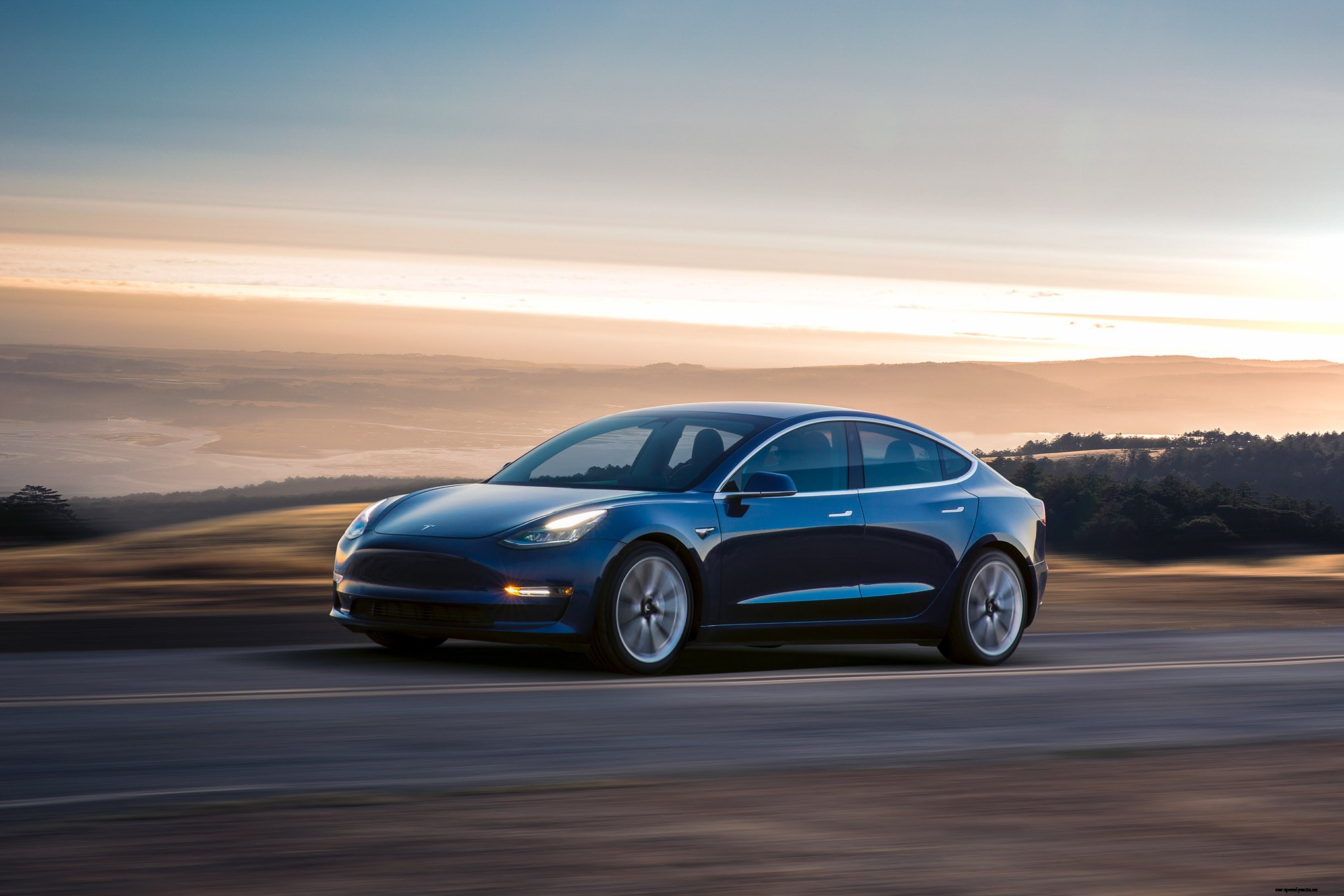
Tesla Model 3 production version
This is the first electric car to really scare German automakers. It combines performance and efficiency in a beautiful package, something that is impossible to achieve with an internal combustion engine.
The production numbers will be high enough to put it in a completely different league to other electric cars. Nevertheless, every other electric car will benefit from the attention the Tesla Model 3 is already getting. Tesla is destroying some myths about electric cars and this makes people want to learn more about them, including models from other automakers. Furthermore, legacy automakers can no longer say with a straight face that electric cars have no future and no one wants them.
2018 Nissan Leaf
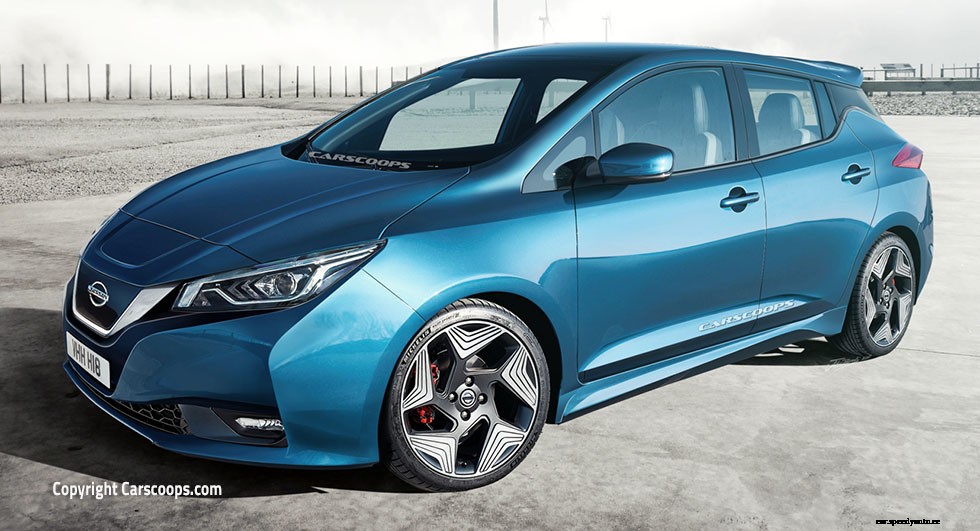
2018 Nissan Leaf rendering by Carscoops
This is the electric car that will most likely be the second best selling electric car in 2018, after the Tesla Model 3. It doesn’t mind if we call it a new generation or a facelift, it’ll have great safety features, a more appealing look, faster charging and more range without a price increase – when compared to the outgoing model.
Knowing how Nissan operates, I would say that it won’t take long after its introduction for this electric car get nice discounts.
BMW i3 (with 43,2 kWh battery)
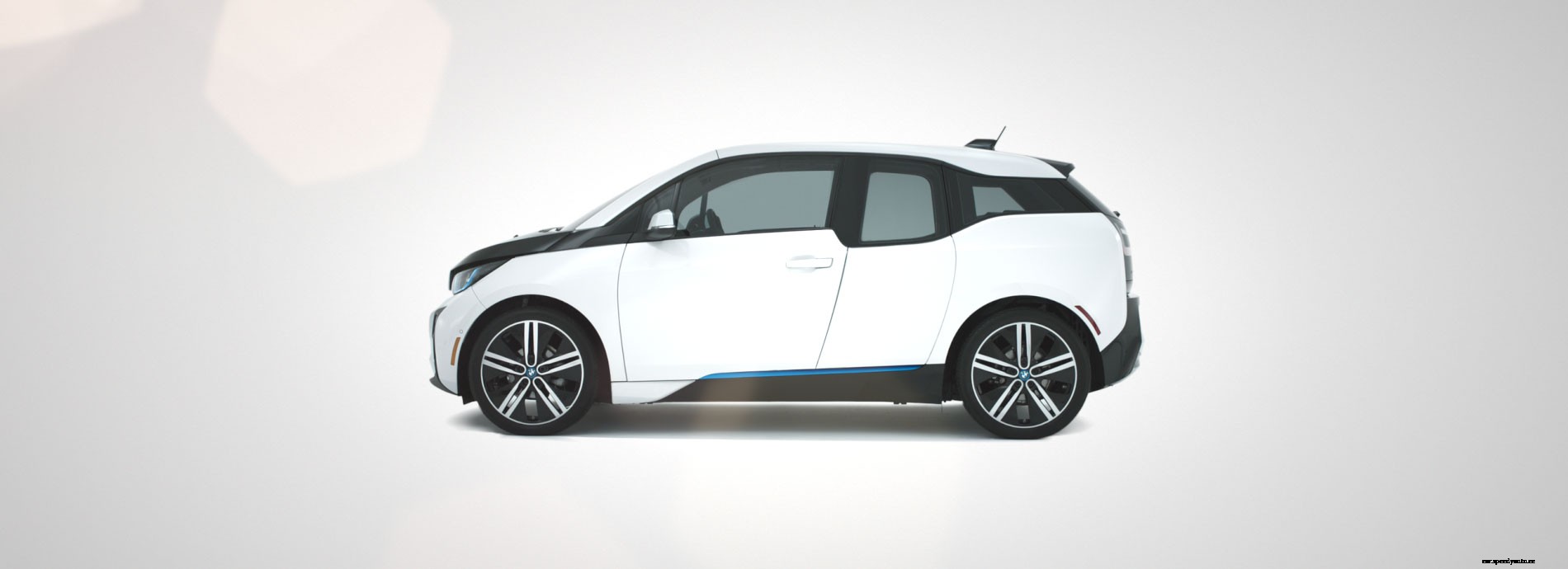
BMW i3 white
The Samsung SDI battery cell plant in Europe (Hungary) will finally produce the much awaited 120 Ah cells. These battery cells – with which Samsung SDI have been teasing us for years – will be able to provide a 43,2 kWh (96 x 3,75 V x 120 Ah) battery for the BMW i3. With this battery the BMW i3 will probably get an EPA range around 160 miles (257 km), which is roughly the same we can expect for the entry-level 2018 Nissan Leaf.
While the Nissan Leaf and the BMW i3 will have similar ranges next year, there is something else that can be similar, at least in Europe. Since the introduction of the 3 phase internal charger (11 kW) for the European BMW i3, Nissan have been considering to follow the example. It won’t take much longer until we know for sure if they did it with the new 2018 Nissan Leaf…
It’s funny because internally Nissan considers BMW its most direct rival regarding electric cars. Not because their electric cars are similar (they aren’t), but because their strategies are. Both Nissan and BMW don’t want to lead an electric car revolution, but want to be prepared for it when it happens, and it’s happening…
Hyundai Kona EV
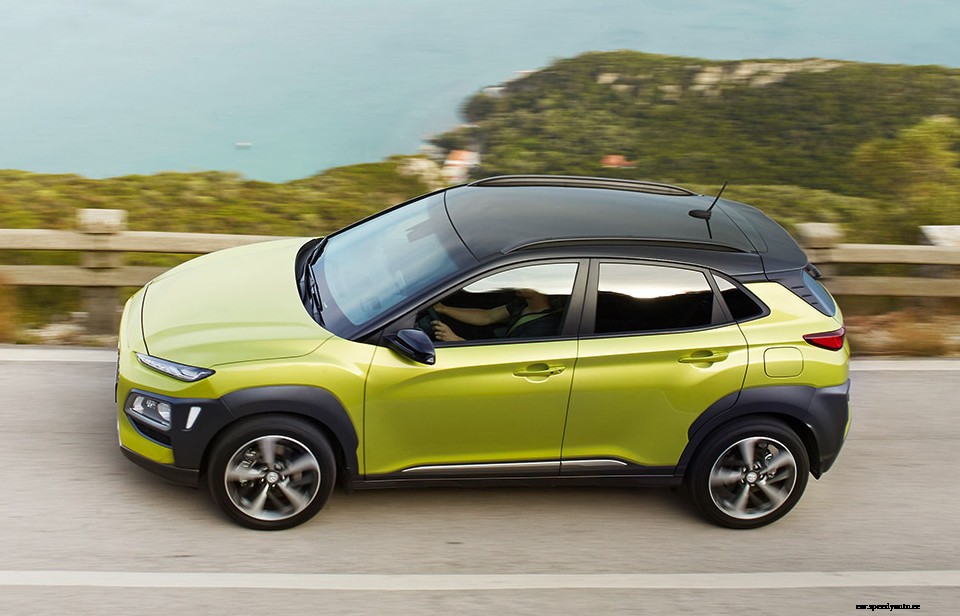
Hyundai Kona exterior
While Nissan thinks that they need to pay attention to BMW, I think that it’s the Hyundai-Kia Group they should be looking at.
The Hyundai Kona EV will be very similar to the Chevrolet Bolt EV, regarding dimensions, features, range – and possibly price.
The important question is: which one will have better availability?
Considering that the Kona EV is an internal project from Hyundai, while the Chevrolet Bolt EV is mostly an outsourced project to LG Chem, I would say that Hyundai has higher profits and for this reason it should be more willing to sell it than its rival.
Hyundai IONIQ Electric (with ~46 kWh battery)

2017 Hyundai IONIQ Electric charging
Last year, before disappointing everyone with the announcement of a 28 kWh battery for the IONIQ Electric, Hyundai’s plans were to release it with a 46 kWh battery – just enough to give us a 200 miles (322 km) EPA range, while keeping the costs low. I don’t know exactly why they changed the plans at the last minute, but now that they tested the waters and were met with great reviews and high demand, the longer range IONIQ Electric can be introduced without any fears of not being wanted…
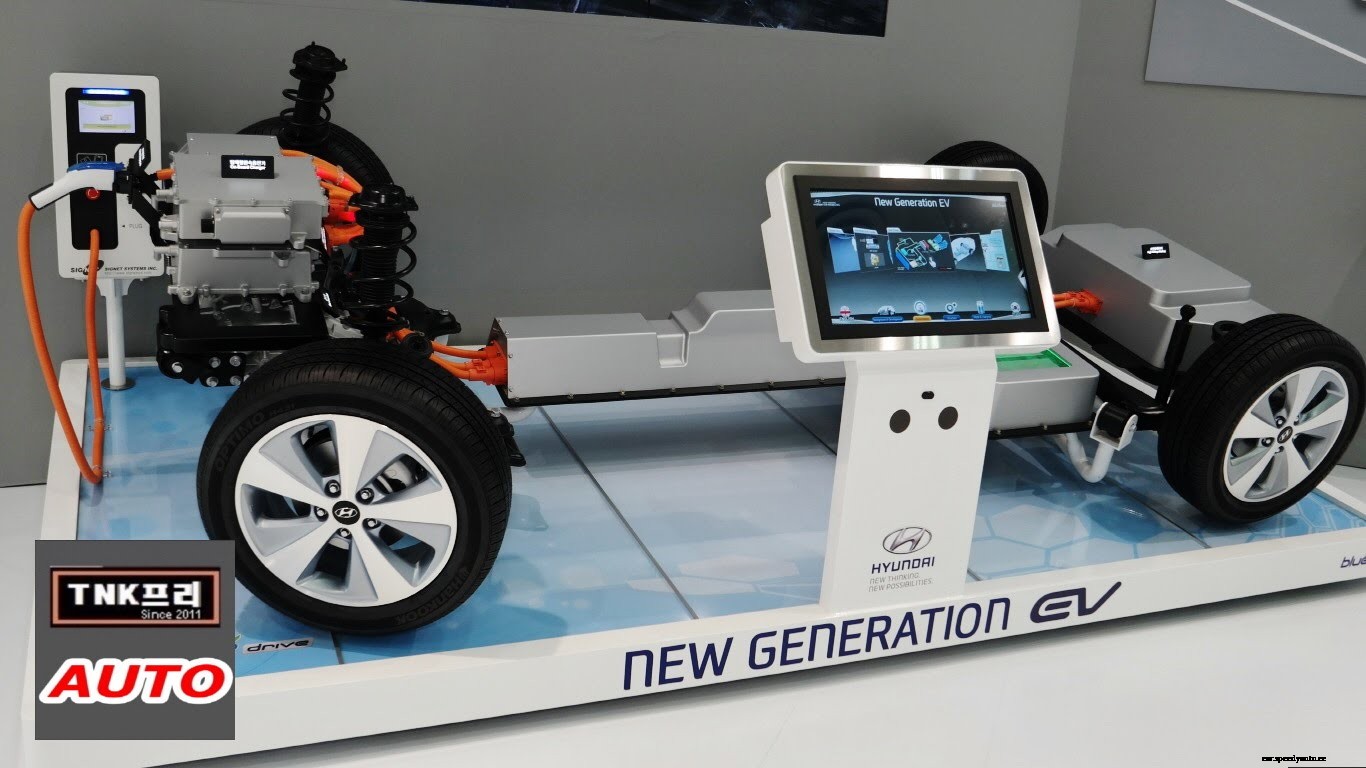
Hyundai IONIQ Electric simple and efficient powertrain
For the longer range, the battery needs to be extended to the front seats. Only increasing the energy density won’t be enough to get 46 kWh.
Until Toyota decides to sell a Prius EV, this electric car is unique for its efficiency and it’s my favorite on par with the Renault Zoe. The only thing I dislike is its reduced visibility, which is the bad part of a car designed for maximum aerodynamics.
Kia Niro EV
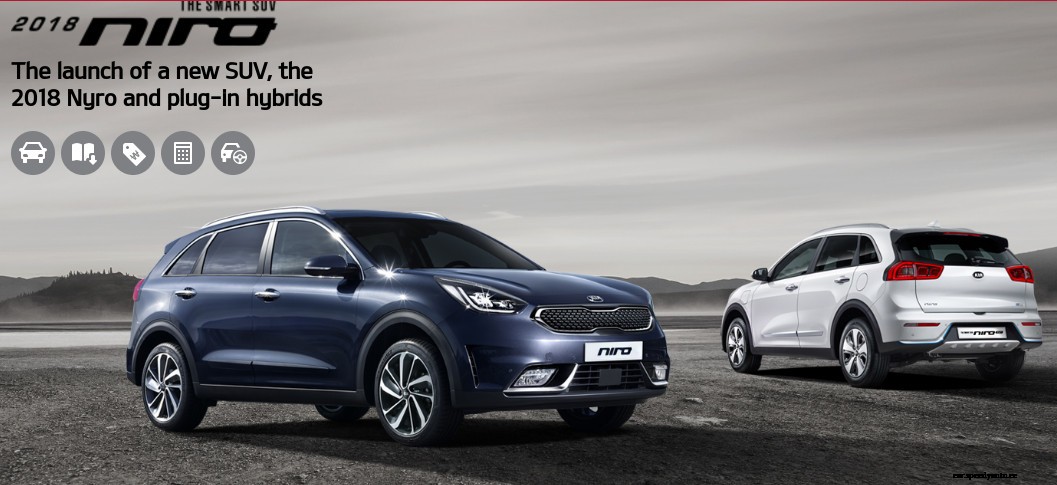
2018 Kia Niro in South Korea
The hybrid and plug-in hybrid versions of the Kia Niro are already on sale, yet the version we care about will arrive in 2018. While the “compact SUV” Hyundai Kona EV should be more successful in Europe, North Americans will probably prefer this bigger alternative.
Since the Kia Soul EV gets its battery cells from SK innovation I wonder if Kia will use this supplier for the Niro EV, or use LG Chem instead, like its sister company Hyundai is doing.
Renault Zoe (with ZE 40 battery)
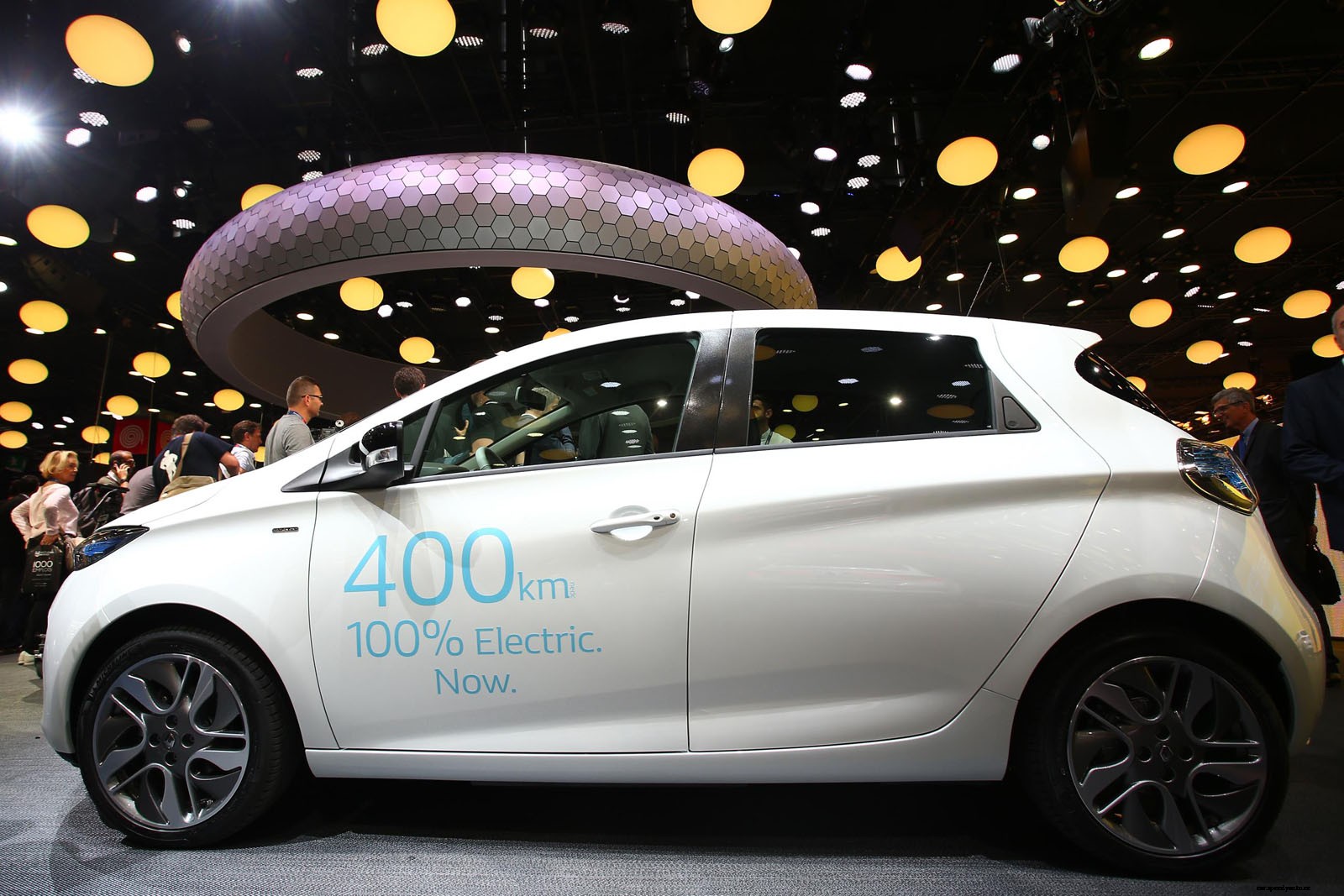
Renault Zoe with 400 km NEDC range
The Renault Zoe with the ZE 40 battery will not be a novelty in 2018, however with increased production and a probable price cut it will definitely try to maintain the title for best selling electric car in Europe. That being said, I think that the 2018 Nissan Leaf will take Zoe’s title away…
Chevrolet Bolt EV/Opel Ampera-e
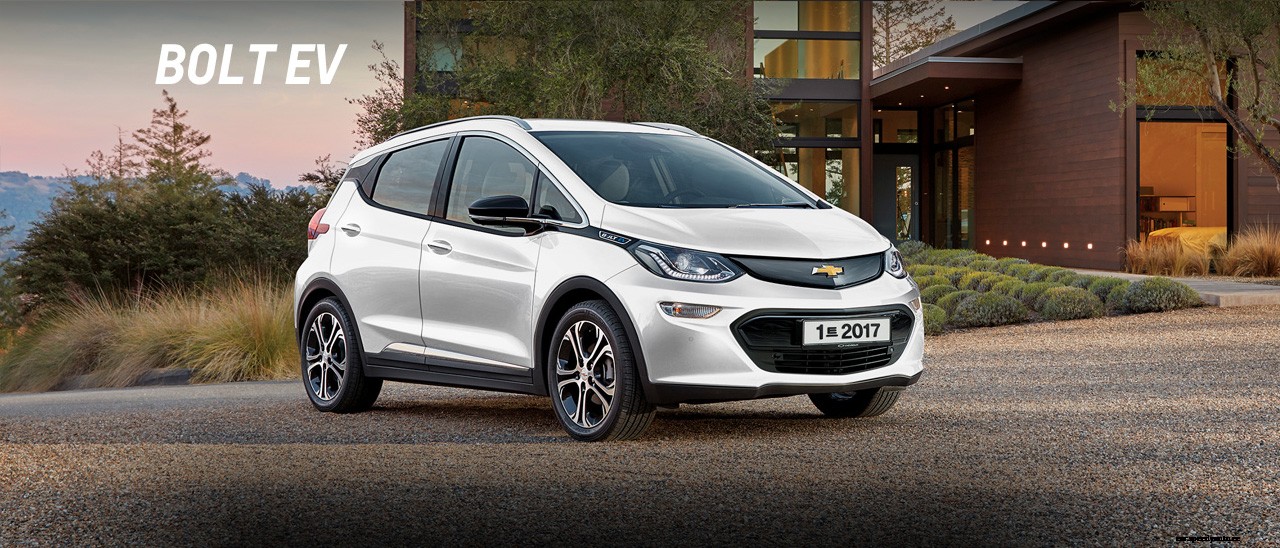
Chevrolet Bolt EV
GM and LG Chem built a great car, that happens to be electric, however GM doesn’t seem very interested in selling it. This might change next year, but don’t expect it to sell more than the 2018 Nissan Leaf.
Around December this year with the roll out of the 2018 MY, we’ll see if GM is serious about its electric car. Something like adding a heat pump, adaptive cruise control and DC fast charging capability becoming standard would be nice…
The rest…
These are electric cars that haven’t enough range to become mainstream, yet they can become more popular with generous price cuts.
Volkswagen e-Golf

2017 Volkswagen e-Golf
This is a good, yet overpriced electric car that Volkswagen clearly doesn’t want to sell. However, if Volkswagen gives it a price cut to position it below the 2018 Nissan Leaf, it might get some orders.
Kia Soul EV
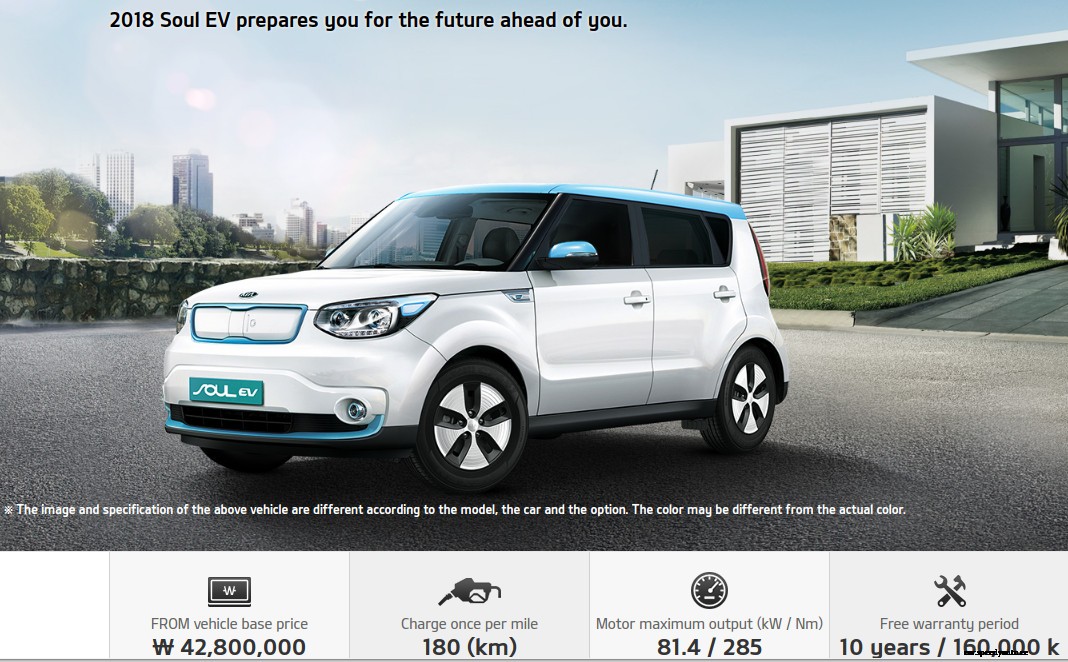
2018 Kia Soul EV
This electric car has the same problem that the Volkswagen e-Golf has. It’s a good, but overpriced car. If Kia cuts the price considerably and manages to make it available at the dealers, it does have a chance to be noticed.
To sum up, in my opinion 2018 will be a very important year for electric cars, not only because the range anxiety is becoming less of a problem, but also because used units will make them more affordable.
What do you think? Are there other electric cars that you consider important and are missing in this list?
