There are a number of things that can cause your transmission to overheat – or any combination of them. It’s important to know how to best maintain your transmission to avoid overheating. Just a few things that can lead to overheating include stop-and-go traffic, hot weather, heavy towing, and bad driving habits. It could also be a failure of certain parts inside your transmission, including a defective solenoid or even a problem with your transmission fluid.
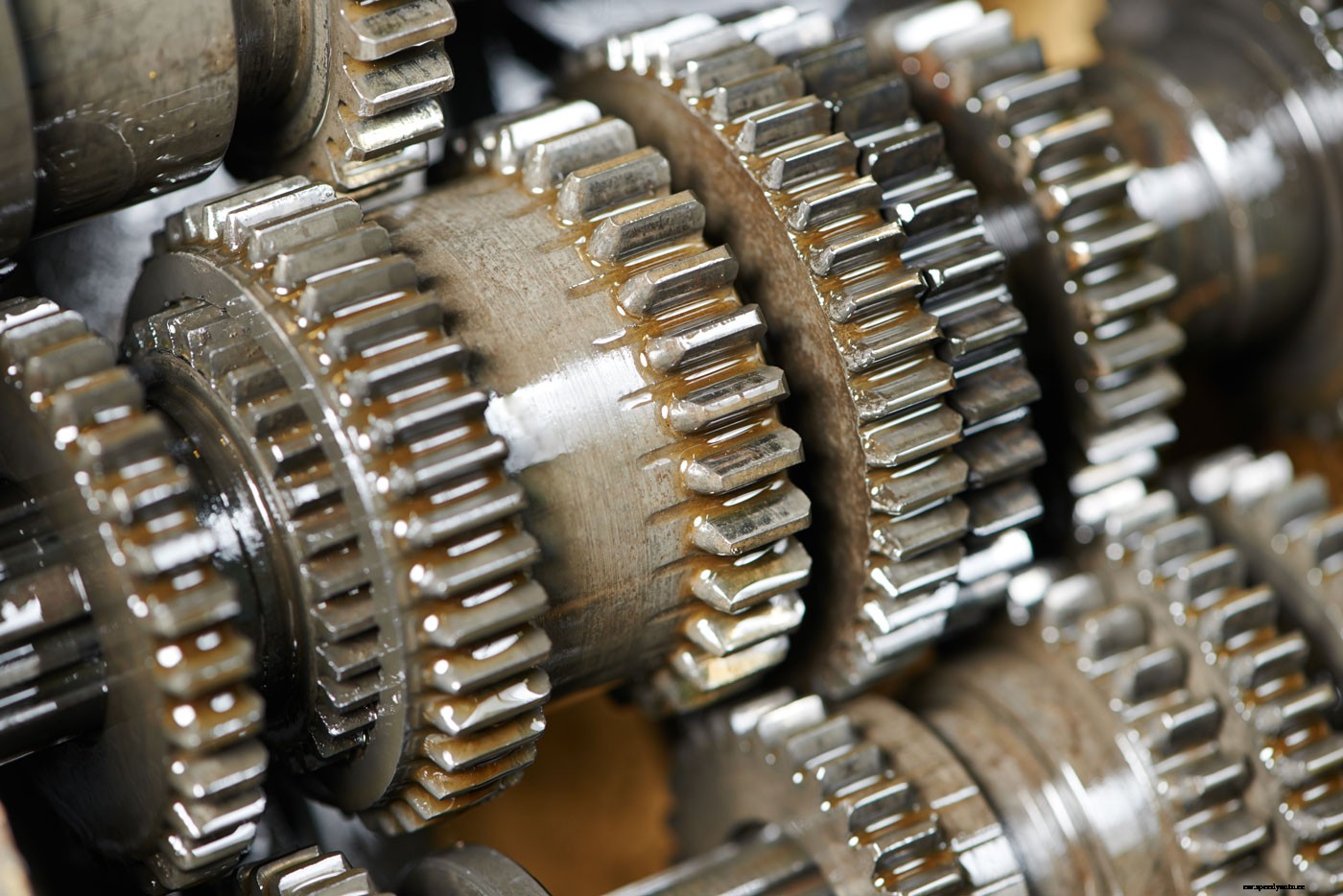
Key to keeping your transmission happy is healthy transmission fluid. It should be checked regularly to ensure the level is adequate and it hasn’t become over-contaminated from use. In some cars, you can check your transmission fluid in much the same way as your engine oil, by using a dipstick under the hood of your car. Low or dirty transmission fluid can quickly lead to an overheating transmission and potentially serious transmission repairs.
Keep an eye out for a few signs your transmission is overheating. They can be more subtle than you’d expect, so it’s a good idea to know what to pay attention to in order to prevent serious car repairs as a result of a too-hot transmission.
A burning smell from your car is never a good sign. If it happens while you’re driving or you notice it just after parking, it could point to your transmission. This is because when your transmission overheats, it burns the transmission fluid inside. To see if burnt transmission fluid is the culprit in your case, you may be able to check the consistency of your transmission fluid with a dipstick under the hood of your car. However, it’s best to leave it to a transmission expert to accurately diagnose your car’s problem.
With an overheating transmission, you may experience difficulty shifting gears. This is because overheating can be a sign of transmission failure and your car’s transmission controls your car’s gears and power. If you notice slipping or delays when your vehicle is switching gears, it’s time to get your car to a mechanic.
Take a look under your car. Do you notice any spots from drips? There are a number of fluids that could be to blame and one of them is transmission fluid. If you notice your transmission fluid leaking, that’s a sure sign you’ll experience overheating, too. That’s because your transmission fluid keeps moving parts in your transmission lubricated, which prevents friction that generates heat.
Your engine and transmission work very closely together and your cooling system moderates the temperature of both. That means if your engine temperature is running higher than usual, it’s probably true of your transmission’s temperature, too.
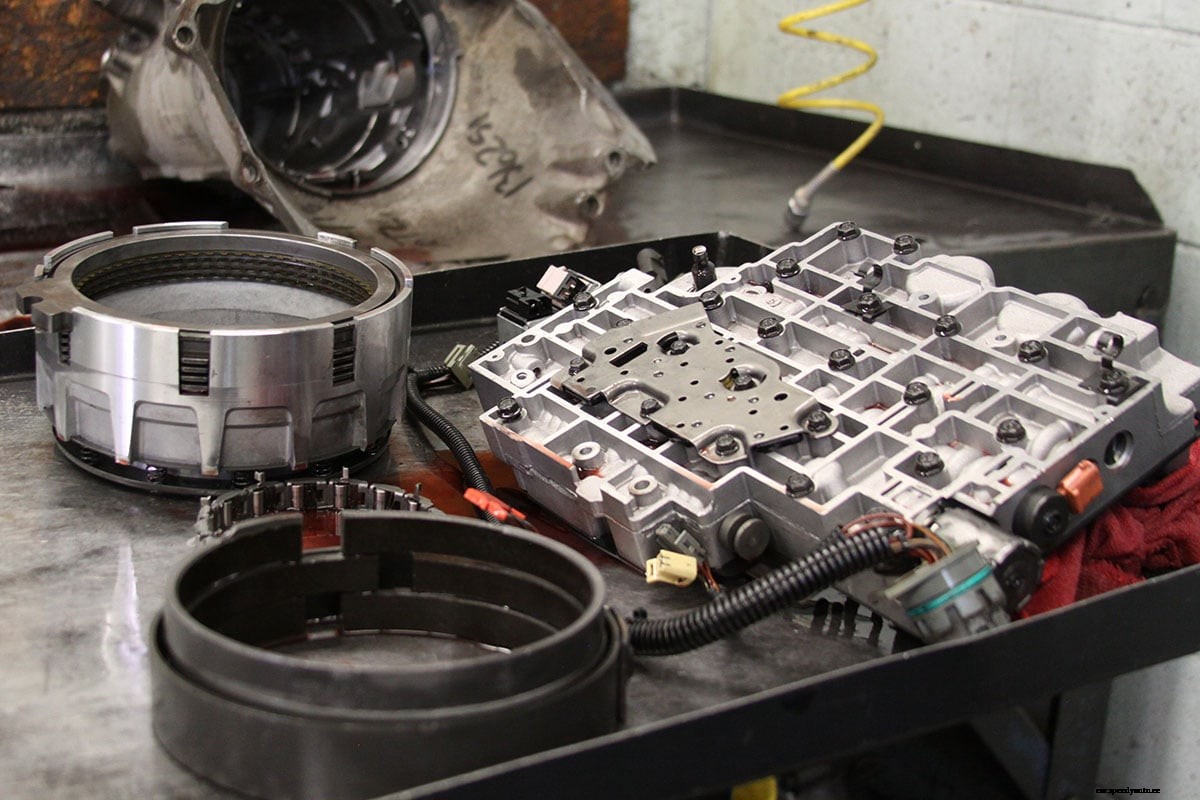
If you miss the early signs of transmission trouble and find yourself with an overheating transmission, it’s best to avoid driving as much as possible. The more you drive with an overheating transmission, the more you risk serious damage to your car’s transmission. Instead, you should pull off to the side of the road as soon as possible and wait for your engine and transmission to cool down – or even better, get your car towed to a mechanic. If you do have to drive your car further, avoid running up your RPM as much as possible and take it easy on your gas pedal.
An overheating transmission can quickly lead to transmission failure. That’s why it’s so important not to push it if you suspect your transmission is overheating. The sooner you get your car to a transmission expert, the more likely it is you can avoid paying for a nasty transmission repair or replacement.