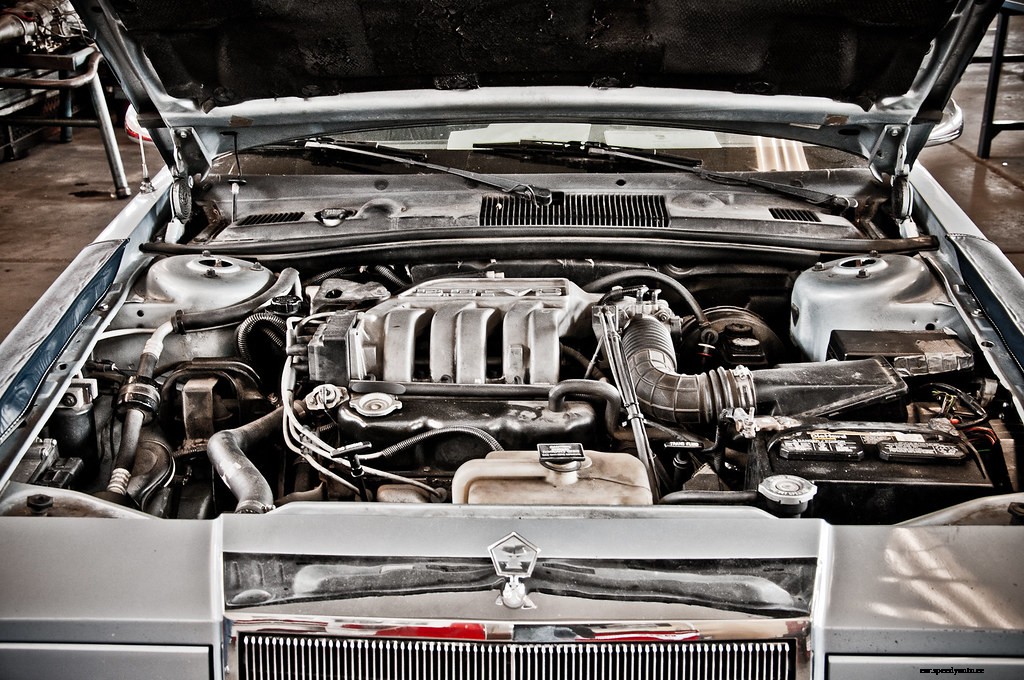
One of the most common reasons your engine may overheat is low coolant. Your car’s cooling system relies on adequate coolant levels to maintain a healthy operating temperature inside the engine. As coolant cycles through the system, it absorbs heat from the engine and draws it out to the radiator, where coolant’s temperature is lowered again. This process repeats as long as your engine is running and if there isn’t enough coolant to absorb heat and cool the engine, you’ll notice your engine temperature rising, eventually leading to overheating.
If you don’t have enough coolant in your car, it’s likely you have a leak somewhere in the cooling system. Leaks are notoriously difficult to find, so it’s a task best left to a trusted mechanic rather than trying to find it on your own. Topping off your coolant can work as a temporary fix, but eventually, the leak itself will have to be repaired before it gets worse.
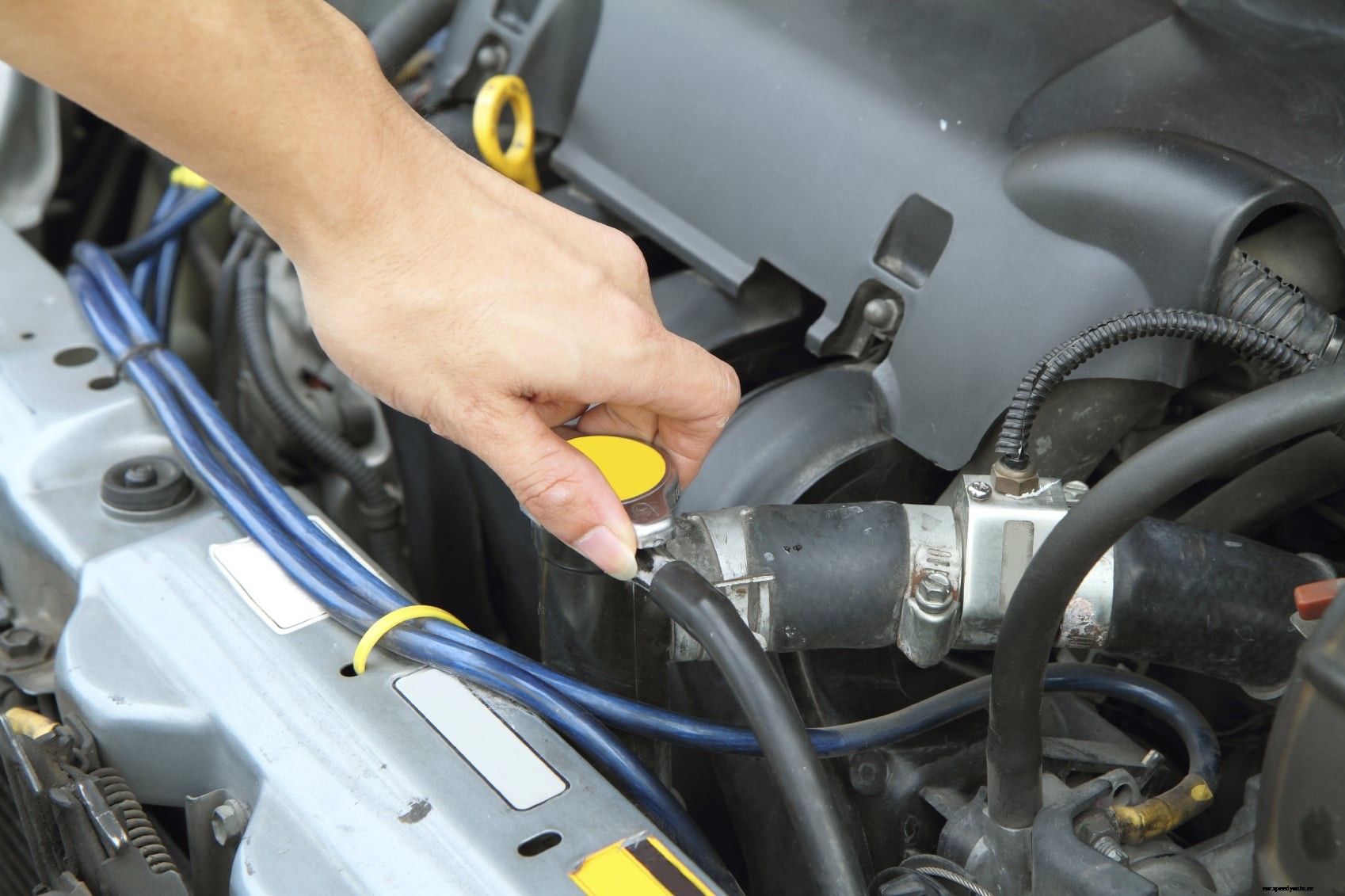
Engine oil serves a dual purpose. On one hand, it helps keep moving parts inside your engine lubricated to minimize wear and tear while your engine is running. On the other hand, that lubrication minimizes friction, which also helps prevent overheating. If your engine oil becomes overly contaminated or the oil level gets too low, it can lead to overheating.
Your car maintenance schedule should include regular oil changes. Check your owner’s manual for recommended timeframes, though it also depends on your driving habits. When in doubt, it doesn’t hurt to get an oil change earlier than you need it, but you may run into trouble if you wait too long to get fresh engine oil.
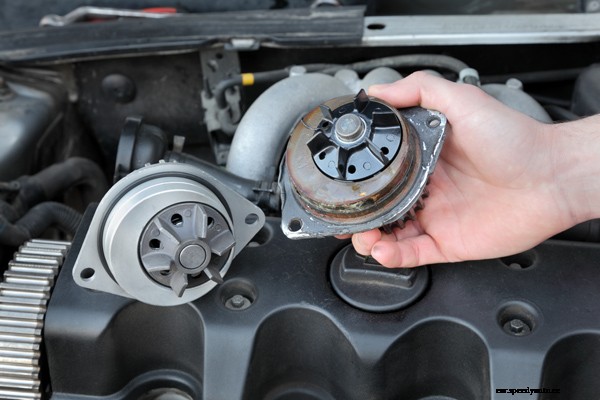
Another important part of your car’s cooling system is the water pump, which is responsible for circulating coolant. If your coolant goes too long without being replaced, it will become dirty and can clog the water pump. As the water pump wears out and then fails, coolant won’t circulate as well through the cooling system and engine.
Once your water pump becomes clogged or fails, coolant will no longer circulate as it should. This means your engine temperature will continue to rise. An overheating engine can quickly become a serious engine repair, so driving should be avoided as much as possible until it can be repaired.
Your car’s thermostat does just what it sounds like. It monitors and regulates the engine temperature so that other parts respond to maintain a healthy operating temperature. A failing thermostat may not read temperature accurately, meaning coolant may not cycle through the cooling system and engine as much as it should.
Just like other sensors your car relies on, your thermostat registering accurate temperatures is key to keeping your engine healthy. When the thermostat reads incorrect temperatures, your cooling system can’t do its job to maintain proper engine temperature. While replacing your car’s thermostat is a simple auto repair, it can cause major problems if ignored.
After coolant circulates through your engine, it goes out to the radiator where the fan helps bring down the coolant’s temperature before it’s sent back into the engine. If your radiator’s fans aren’t working properly, your coolant will be warmer than it should be and your engine can start to overheat.
Without fans that are operating well, your cooling system cannot do its job. Coolant will continue to circulate but its temperature won’t cool down as it flows through the radiator, meaning it will just continue to grow warmer. This will lead to your engine overheating, which can result in engine failure.