
Your DIY skills are evolving, and now you’re ready to work on your own brakes — pads, discs and everything else. One tool you’ll need to get started is a brake bleeder kit.
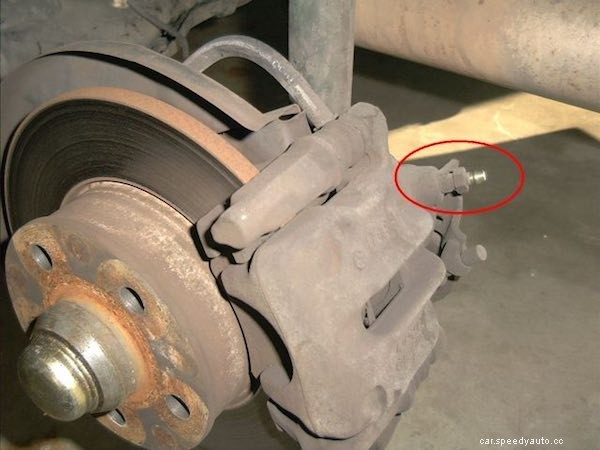
It’s important to get any air bubbles out of your hydraulic brake system every time you change pads or discs or when your brakes feel spongy. Air bubbles in your brake lines can rob your car of braking power, which is essential for safety on the road. That’s what makes brake bleeding critically important.
A brake bleeder kit is the cleanest, most convenient way to do the job. Here’s how it compares to some of the other options:
A brake bleeder kit uses vacuum bleeding. Vacuum bleeding is an easy one-person job where you attach a pump to the open bleeder screw and pull old fluid and air out of the braking system and into a container that’s part of the vacuum bleeder kit. There’s no waiting for the fluid to flow out on its own (gravity), no stop-and-start with another person (manual) and no need to be at the brake fluid reservoir rather than at the bleeder (pressure). There’s also very little cleanup time involved. The vacuum method with a kit is by far the quickest, easiest and cleanest approach to bleeding your brakes.
A bleeder kit will be handy to have as part of your tool kit even beyond brake jobs. If you want the best possible performance from your brakes, remember that brake fluid degrades over time. This is due to the near-boiling brake fluid temperatures vehicles (especially front-wheel drive vehicles) experience in stop-and-go traffic. The fluid’s degradation lowers its boiling point, which can affect braking and inadequately protects braking components like master cylinders and anti-lock hydraulic modulators. For that reason, you should flush out your braking fluid and replace it every two years. You’ll find the bleeder kit makes that job a lot easier and cleaner, too.
A brake bleeder kit is a must-have if you want to tackle your own brake jobs, and it can help you take better care of your car’s brakes.
