
Do you know what causes tire dry rot? Did you know that tire dry rot is a potential issue with older tires? Here’s everything you need to know about what causes tire dry rot and when it’s time to replace your tires, even if the tread isn’t worn.
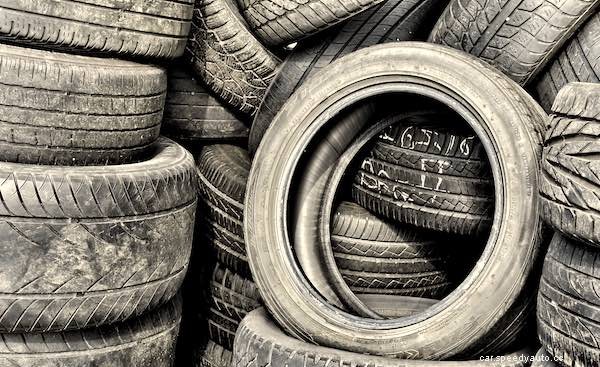
Most people only think about checking the tread on their tires to make sure it hasn’t worn down too far. That’s an important part of tire maintenance, but just because the tread is good doesn’t mean your tires don’t need to be replaced. Even a tire with a good tread can suffer from tire dry rot.
Tire dry rot happens when a tire’s rubber compounds slowly break down over time due to weather exposure, temperature fluctuations or physical wear. There’s nothing that can prevent this from happening altogether, but there are steps you can take to slow the process.
Just as you would check your tires’ tread, you should check for signs of dry rot, which is easy to spot on the sidewall. Look for cracks or flaking in the rubber, which may even come off in small pieces if you touch it with your fingers.
Cracks in the tread are another sign of dry rot that can be harder to spot. You may notice that your tire doesn’t look black anymore and has faded to more of a dark gray. It’s especially important to inspect tires that have been unused for a long period of time, like trailer tires that are only out on the road occasionally.
Tires age no matter what you do, but proper tire care can help keep tires from developing dry rot.
Make it a habit to inspect your whole tire, not just the tread, on a regular basis. Combined with other good tire care habits, this practice might just prevent a flat, or even an accident.
