
The braking system consists of several components. These components include brake pads, brake shoes, brake drums, brake master, brake booster, ABS, brake calipers, and brake lines. These components have to work in harmony to bring your car to a complete stop when you depress the brake pedal.
But without the brake fluid, all these components won’t actualize their single aim of bringing the vehicle to a complete halt. This is why you need to be cautious of brake fluid leak and fix it before it causes severe damages to other system components. So, in this article, we’ll discuss at length brake fluid leak color, signs, causes, and how to fix it.
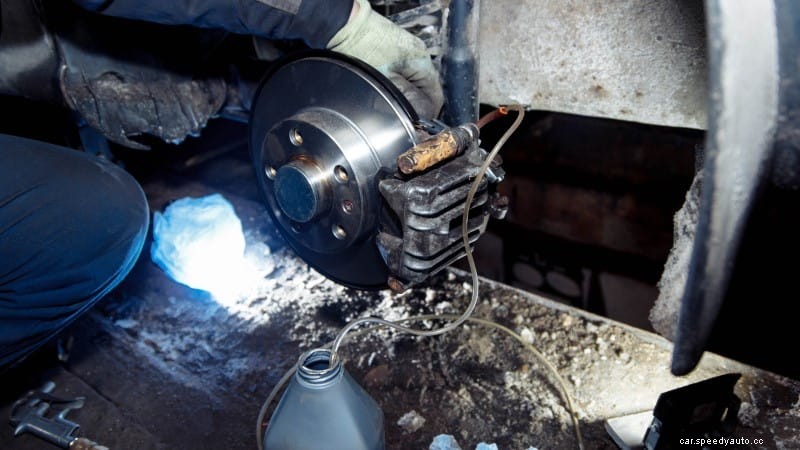
Before discussing the causes, what are brake fluid leak symptoms that you should watch out for? Several red flags indicate brake fluid leaks. Here are the signs you should watch out for when you suspect a brake fluid leaks;
We’ve outlined the common causes of brake fluid below, When you have a brake fluid leak, consider checking these components first.
Defective piston seal: several brake components feature pistons in them, and this piston comes with seals. Brake components that feature pistons include drum brake wheel cylinder, disc brake caliper, and brake master cylinder.
The piston is a moving part that functions with hydraulic force. It has seals that prevent the fluid from leaking. Over time, these seals will tear due to normal wear or mechanical force, allowing the fluid to leak.
Damaged brake hose or brake lines: Brake hose and brake lines are made with strong materials to withstand rugged roads and extreme conditions. Over time, they can pit, rust or tear. Defective brake line fittings, broken brake lines, torn brake hoses can result in fluid leaks.
Loosen or damaged bleeder valve: Each vehicle wheel has a bleeder valve, also known as a bleeder screw, used in bleeding air out of the brake systems. If the bleeder valve gets knocked loose or damaged due to rust, it can result in fluid leaks.
Worn out brake shoes, pads, drums, and rotors: Brake shoes, pads, drums, and brake rotors are subject to wear.
If these components wear out, it can cause the pistons to come out beyond how it is supposed to. This will damage the seal and cause fluid leaks.
Defective brake master cylinder reservoir: Most brake fluid reservoirs in newer cars are produced with plastic material and can become brittle due to excess heat in the engine bay. If this happens, it will apparently cause the reservoir to crack, causing the brake fluid to start dripping out and flowing down through the rear of the engine.
So, if you notice brake fluid leaking under the middle of the car, check the brake master reservoir for cracks or fluid around the area. The brake lines can also be a culprit.
Lousy ABS Module: The module consists of high-pressure brake fluid lines. Unfortunately, this component can rust or wear down due to mechanical force and cause fluid leaks.
If you’re experiencing any signs of brake fluid leaks, the first thing is to check your brake system to confirm if there’s a leak somewhere around the car. Start by opening the hood. Check the brake fluid level to verify if the system is leaking.
A severe leak will drastically reduce the fluid level. If you can’t locate the brake fluid reservoir, consult your owner’s booklet. If the inspection confirms the fluid level is okay, there are chances that you have a small leak that could be allowing air into the system.
Check the following areas for fluid leaks;
If you have found leaks in any of these areas, I will walk you through how to fix the leak, step by step practically. Do not skim through; follow the below steps religiously.
The first step on brake fluid leak fix is finding out where the leak is coming from. Once you have tracked down the real place the leak is coming from and its severity, the next step is to get things fixed and continue with your daily commute.
Now, I will assume you have figure out where the fluid is coming from. Let’s face it and fix it.
This walkthrough covers only rebuilding of brake caliper, changing of brake hoses and lines, replacing brake master cylinder, and generally bleeding.
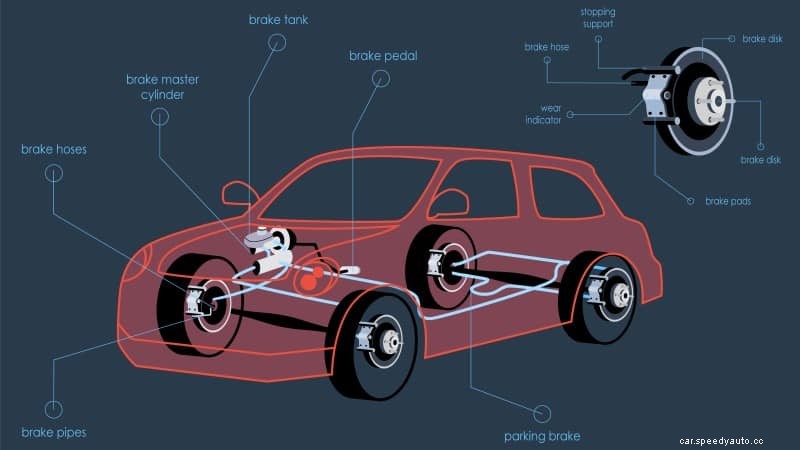
Nowadays, mechanics don’t rebuild brake calipers. Instead, they take it to a rebuilding station for a complete rebuild, and once the work is done, they reinstall the caliper. I recommend getting a new caliper rather than rebuilding the old one. The difference between a rebuilt and a new one isn’t much. If you choose to go for a rebuild and save those pennies, follow these steps.
If the brake fluid is leaking from the hose or lines, there’s no quick fix. Go ahead and fix it. And if the brake fluid is leaking from the rear wheel, inspect it closely. There are chances the leak is from the brake lines, not the wheel cylinder
A defective brake wheel cylinder is much easier to replace, and it’ll give you peace of mind than rebuilding it. A new wheel cylinder is almost the same as a rebuilt cylinder.
Newer brake systems have two circuits. Each of the circuits hosts two wheels, so if one of the circuits breaks down, the other one will sustain the brake system. The brake master provides hydraulic pressure to both circuits. So, if the brake master fails, it’ll affect all other brake components.
Getting a new one is much more accessible and affordable. If there’s a brake fluid leak on the master cylinder, it’ll affect both circuits and leave you with a flat brake pedal. Replacing it involves the following steps;
Always bleed your brake system after any system repairs that have to do with the brake lines. Brake bleeding requires assistant.
If you change any component on one side of a wheel, always change the same component on the opposite wheel.
Several factors affect the cost of repairing a brake fluid leak, depending on your car make and model, the actual cost of the leak, and your location. Fixing a brake fluid leak can be relatively cheap. It is not going to break your budget. Here’s an estimated brake fluid leak repair cost.
| TYPES OF LEAK | REPAIR COST | |
| WHEEL DRUM CYLINDER LEAKS | ||
| Repairs (One wheel) | Parts $10 – 20 | |
| Labor $80 – 100 | ||
| Replace | Parts $25 – 40 | |
| Labor $40-70 | ||
| BRAKE CALIPER LEAKS | ||
| Repair (one wheel) | Parts $70 – 150 | |
| Labor $50-100 | ||
| Replace (one wheel) | Parts $100 – 200 | |
| Labor $30 – 50 | ||
| BRAKE MASTER CYLINDER LEAKS | ||
| Repair | Parts $80 – 200 | |
| Labor $50 – 120 | ||
| Replace | Parts $150 – 300 | |
| Labor $30 – 70 | ||
| BRAKE LINES OR BRAKE HOSES | ||
| Repair | Parts $10 – 40 | |
| Labor $30 – 50 |
If you’re a petrolhead and understand how the brake system works, you can fix the brake leak yourself. For every other person, the best thing to do is to consult your mechanic or dealership. Brake repairs is not a system fix you should play with. Your life and that of the passengers lie on it.
The most brake system in vehicles today work with hydraulics principles – they are activated with hydraulic force. So, it needs adequate brake fluid to provide peak performance. While you can drive a car without brake fluid, it is imperative to note that;
Brake fluid is the most affordable thing in the brake system – yet, essential. Low or brake fluid leaks are the common cause of brake damages and collisions. Hence, do not drive your car without brake fluid.
As explained earlier, brakes work with hydraulic force. Brake fluids help in carrying out the driver’s demand as he steps on the brake pedal. If a brake fluid leak occurs, the brake system will lose the hydraulic forces needed to function optimally, leading to the inability to stop your car.
Absolutely yes. When the brake pads and shoes wear out, the system will send the hydraulic fluid into the caliper or wheel cylinder. As a result, the brake fluid on the reservoir will reduce. That said, do not confuse this situation as a fluid leak. The moment you replace the worn-out brake pads and shoes, the fluid will return to the reservoir.
While the brake fluid won’t stop your car from moving, you should note that your brakes will not hold without brake fluid. In simple terms; no fluid, no brake. Driving without brake fluid is totally unsafe because your brakes will not hold. Do you know what that means? You’re preparing for a crash!
At this point, you have seen the causes, symptoms, and how to diagnose and fix brake fluid leaks. Aside from the general causes, there’s a particular cause that affects only a specific environment.
For example, if you live on the coast with a lot of salt in the air or drive in salty areas, you may have rusted and damaged brake lines more often.
Lastly, because some brake jobs are more accessible to fix than others, and parts replacement cost varies, it will be difficult to estimate the actual cost of repairing a brake leak.
