
If you’ve ever seen a car driving down the street with a cloud of white smoke coming out of the exhaust, you may have wondered what was wrong. In most cases, this is caused by oil in the intake manifold.
The most common reasons for oil in the intake are a bad PVC valve or clogging in the oil passage. The best way to prevent oil in the intake manifold is to regularly change your engine’s oil and use a quality air filter.
If you suspect that you have oil in your intake manifold, it’s important to have it checked out by a qualified mechanic as soon as possible.
It’s not a serious problem, but it needs to be fixed in order to keep your car running smoothly. In this blog post, we will discuss what causes oil in the intake manifold and how you can fix it!
An intake manifold is an essential component of any internal combustion engine, and it plays a crucial role in the efficiency and performance of the engine.
The intake manifold is responsible for distributing the air and fuel mixture to the cylinders in the engine. It is also responsible for providing a tight seal between the cylinder head and the intake manifold.
There are two main types of intake manifolds: directly injected and port-injected. Directly injected intake manifolds have injectors that spray fuel directly into the cylinders. Port-injected intake manifolds have injectors that spray fuel into the intake ports on the cylinder heads.
Both types of intake manifolds have their pros and cons, but port-injected intakes are generally considered to be more efficient and produce more power than direct injection intakes. Additionally, port-injected intakes are less likely to cause carbon build-up on the intake valves.
If you’re looking for an efficient and powerful intake manifold for your engine, a port-injected intake manifold is a way to go.
Generally, there should not be any oil in the intake manifold. If you see evidence of oil in the intake manifold, it means that there is a problem with the engine and it needs to be fixed.
There are several possible causes of oil in the intake manifold:
In most cases, the root cause of oil in the intake manifold can be traced back to one of these problems. Let’s take a closer look at each one!
The PVC valve is responsible for regulating the vacuum in the intake manifold. If it starts to malfunction, it can cause oil to enter the intake manifold and cause the engine to smoke.
Fixing a bad PVC valve is a simple and inexpensive repair. The first step is to remove the PVC valve from the engine. Once the PVC valve is removed, it should be cleaned or replaced.
If there is clogging in the oil passage, it can cause oil to enter the intake manifold and cause the engine to smoke.
Fixing clogging in the oil passage can be a bit more complicated than fixing other problems with the engine. The first step is to remove all of the accessories from the front of the engine. Once the accessories are removed, the oil passage can be cleaned.
In most cases, the root cause of oil in the intake manifold can be traced back to one of these problems. If you’re experiencing this problem with your engine, have a qualified mechanic take a closer look at it and determine the best way to fix it.
Port-injected intakes are generally considered to be more efficient and produce more power than direct injection intakes. Additionally, port-injected intakes are less likely to cause carbon build-up on the intake valves.
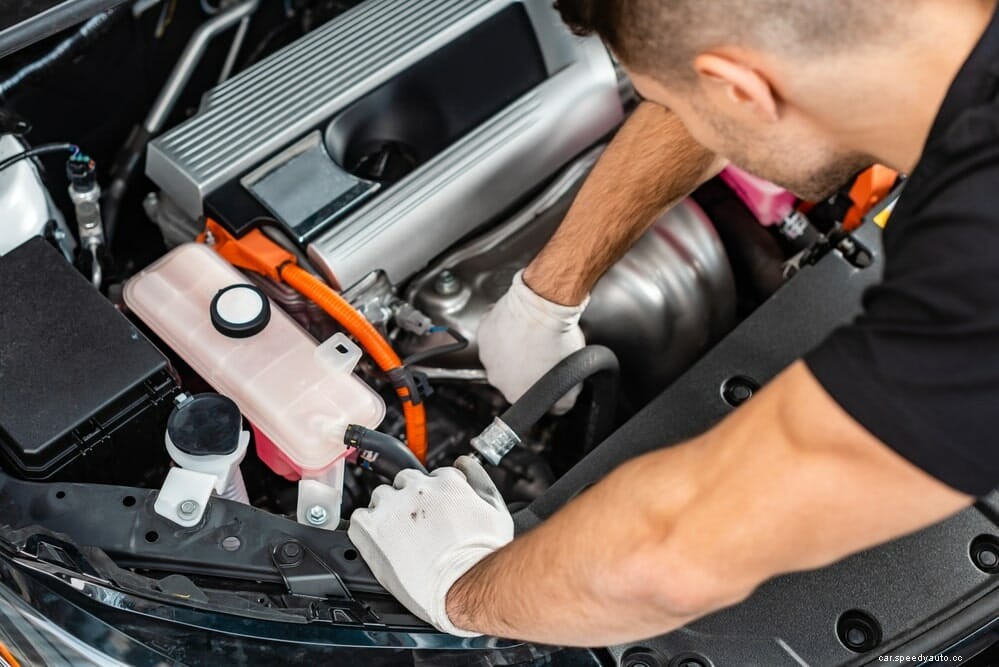
Valve seals are responsible for sealing the valves in the cylinder head. If they start to leak, oil can enter the intake manifold and cause the engine to smoke.
Fixing leaking valve seals is a fairly simple and inexpensive repair. The first step is to remove the cylinder head from the engine. Once the cylinder head is removed, the valves can be inspected for wear. If the valve seals are worn out, they will need to be replaced.
Piston rings are responsible for sealing the cylinders in the engine. If they start to leak, oil can enter the intake manifold and cause the engine to smoke.
Fixing leaking piston rings is a bit more complicated than fixing leaking valve seals. The first step is to remove the pistons from the cylinders. Once the pistons are removed, you’ll need to inspect them for wear. If the piston rings are worn out, they will need to be replaced.
Camshafts play a crucial role in the operation of an engine. They control the opening and closing of the valves in the cylinder head. If they start to wear out, it can cause oil to enter the intake manifold and cause the engine to smoke.
Fixing worn-out camshafts is a bit more complicated than fixing leaking valve seals or piston rings. The first step is to remove the camshafts from the engine. Once the camshafts are removed, you’ll need to inspect them for wear. If they are worn out, they will need to be replaced.
Dirty air filters can cause the engine to run inefficiently and produce less power. They can also cause oil to enter the intake manifold and cause the engine to smoke.
Fixing dirty air filters is a simple and inexpensive repair. The first step is to remove the air filter from the engine. Once the air filter is removed, it should be cleaned or replaced.
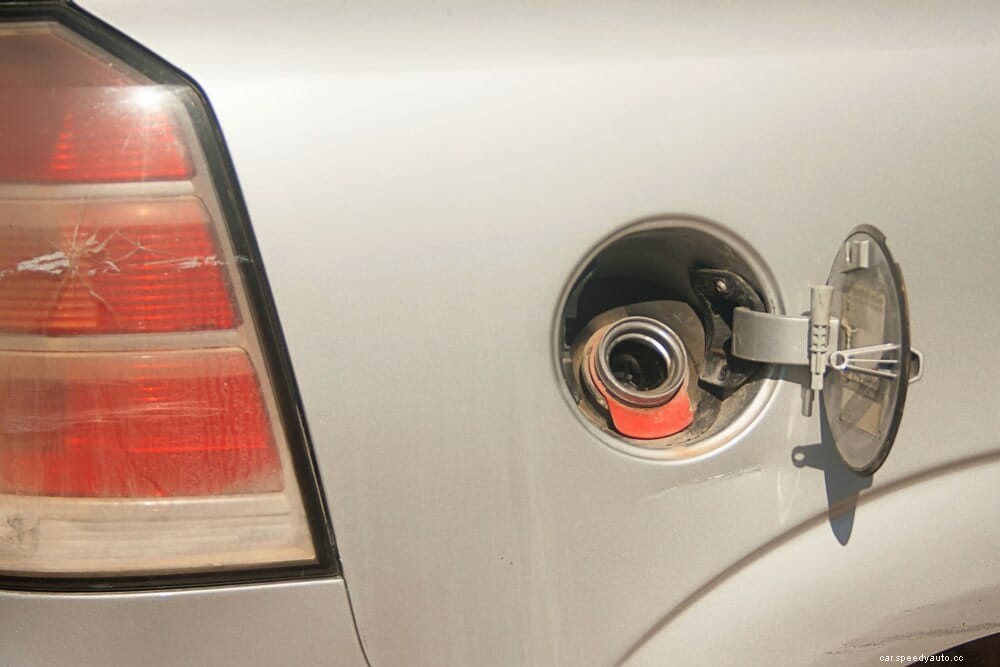
Fuel injectors are responsible for delivering fuel to the cylinders in the engine. If they start to malfunction, it can cause oil to enter the intake manifold and cause the engine to smoke.
Fixing malfunctioning fuel injectors is a bit more complicated than fixing other problems with the engine. The first step is to remove the fuel injectors from the engine. Once the fuel injectors are removed, they should be cleaned or replaced.
In most cases, the root cause of oil in the intake manifold can be traced back to one of these problems. If you’re experiencing this problem with your engine, have a qualified mechanic take a closer look at it and determine the best way to fix it.
Port-injected intakes are generally considered to be more efficient and produce more power than direct injection intakes. Additionally, port-injected intakes are less likely to cause carbon build-up on the intake valves.
If you suspect that you have oil in your intake manifold, there are a few symptoms to look out for. One of the most common symptoms is engine smoke.
Another symptom of oil in the intake manifold is reduced engine power. This can be caused by a number of factors, including dirty air filters, low compression, and worn-out piston rings.
If you suspect that you have oil in your intake manifold, it’s important to have it checked out by a qualified mechanic as soon as possible. Left unchecked, oil in the intake manifold can cause serious damage to your engine.
One way to detect leaks in the intake manifold is to use a smoke machine. This device attaches to the engine and injects a special type of smoke into the intake manifold. If there are any leaks, the smoke will escape from these leaks and be visible.
Another way to detect leaks in the intake manifold is to use a pressure tester. This device attaches to the engine and measures the amount of pressure that is being exerted on the intake manifold. If there are any leaks, it will be evident by a decrease in pressure.
In most cases, oil in the intake manifold can be traced back to one of these problems. If you’re experiencing this problem with your engine, have a qualified mechanic take a closer look at it and determine the best way to fix it.
Port-injected intakes are generally considered to be more efficient and produce more power than direct injection intakes. Additionally, port-injected intakes are less likely to cause carbon build-up on the intake valves.
You may be wondering how do you get oil out of the intake manifold? The process is actually quite simple and does not require any special tools or equipment. All you need is a catch pan, a degreaser, some rags or towels, and a little bit of patience.
Here is a step-by-step guide on how to remove oil from your intake manifold:
The best way to prevent oil clogging is to keep your engine clean. This means regularly cleaning the air filter, fuel injectors, and throttle body.
You can also help prevent oil clogging by using quality motor oil and changing it often. In addition, make sure that your engine is properly tuned and that all of the components are working correctly.
The best way to prevent oil in the intake manifold is to regularly change your engine’s oil. This will ensure that any dirt or debris that gets into the oil is removed before it has a chance to clog up the engine.
Another way to prevent oil in the intake manifold is to use a quality air filter. A good air filter will catch any dirt or debris before it has a chance to enter the engine.
If you suspect that you have oil in your intake manifold, it’s important to have it checked out by a qualified mechanic as soon as possible. Left unchecked, oil in the intake manifold can cause serious damage to your engine.
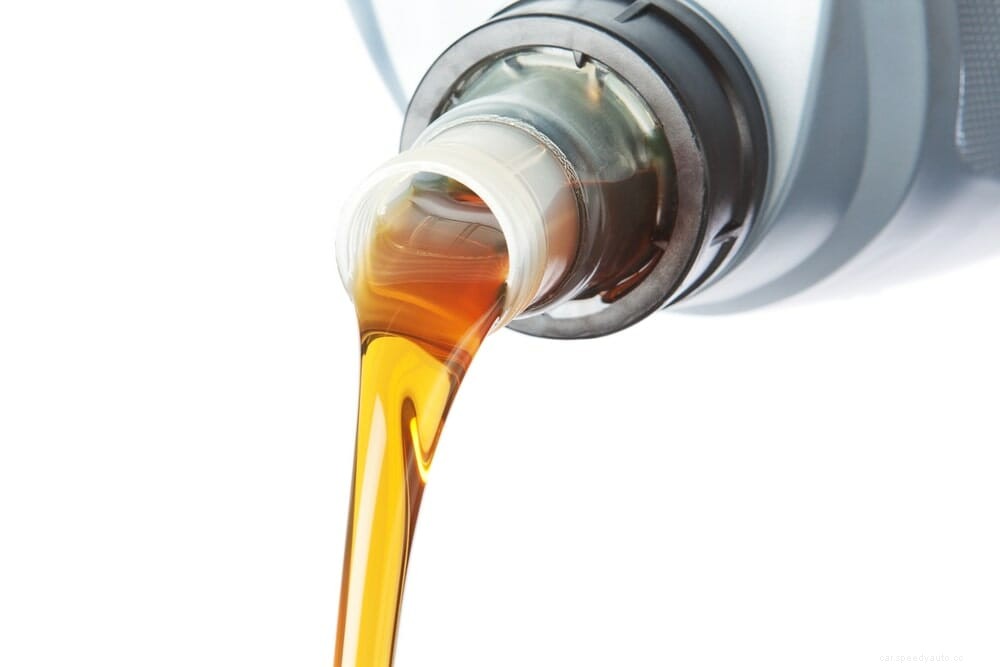
It is generally recommended that you replace your engine oil every 5000 miles or so. However, this may vary depending on the type of vehicle you have. Consult your owner’s manual for specific recommendations.
There are a few signs that you can look for to see if your engine is burning oil. One of these signs is blue smoke coming from the exhaust pipe. Another sign is an increase in oil consumption. If you notice either of these signs, it’s important to have your engine checked out by a qualified mechanic as soon as possible.
One of the main causes of carbon buildup on intake valves is oil burning in the engine. When oil burns, it leaves behind a sticky residue that can build up on the intake valves over time.
Additionally, direct injection engines are more prone to carbon buildup on the intake valves because they don’t have the port-injected engines’ self-cleaning action.
There are a few ways that you can clean carbon buildup from your intake valves. One way is to use a chemical cleaner designed specifically for this purpose.
Another way is to remove the intake manifold and physically clean the valves with a brush or other tool. Whichever method you choose, it’s important to be careful not to damage the valves in the process.
In most cases, it is not recommended to switch between different types of oils in your car. Doing so can lead to performance and compatibility issues. It’s always best to consult your owner’s manual or speak with a qualified mechanic before making any changes.
Oil in the intake manifold can be a serious problem for your engine. If you suspect that you have oil in your intake manifold, it’s important to have it checked out by a qualified mechanic as soon as possible.
Left unchecked, oil in the intake manifold can cause serious damage to your engine.
Thank you for reading! We hope this article was helpful. If you have any questions or comments, please feel free to leave them below. And be sure to check back often for new articles and tips from our team of experts!
