
If you are like most drivers, you probably don’t think about your brakes very often… Unless you are in a situation where you need to engage them quickly! Your vehicle’s brake system has a major role to play and can be considered one of the most important safety features. Unfortunately, a lot of drivers don’t seek assistance until a problem becomes noticeable and concerning. Taking a hands-on approach to vehicle maintenance may save you a small fortune in the long-run, and a thorough inspection of the brakes is a great place to start.
Think about every time you’ve driven your car and the number of times you press the brake pedal. What types of roads are you driving on? Are you driving on an incline or a decline? Do you ride the brakes? Your driving habits directly impact your brake system and the frequency with which it should be serviced. A few of the most common causes include:

Brake fluid becomes contaminated over time with pollutants and natural deterioration of the fluid. These particulates cycle through the brake system indefinitely until the fluid is flushed and replaced. This means that the brakes become less effective, making your car less safe to drive, and may lead to more damage over time.
Moisture accumulation is a major concern when it comes to the brakes. Brake fluid is a hygroscopic type of liquid which means it absorbs moisture from the environment naturally (an everyday example of this type of liquid would be honey). Moisture may accumulate more rapidly if you live in a particularly humid region. Ultimately, as more moisture is present, the fluid begins to boil rather than maintain it’s viscosity. Have you ever noticed your brakes feel extra “squishy”?
A vehicle’s fluid may become low because of a leak or from normal use. As your brake pads, shoes, rotors, and drums wear down, more space is created between components while in the resting position. Inevitably, more fluid is required to make sure the fluid is reaching the wheels, thus decreasing the overall level. Air will enter the brake line to fill the vacuum created by the excess use of fluid. It may begin with spongy brakes but will cause brake failure if left unattended.
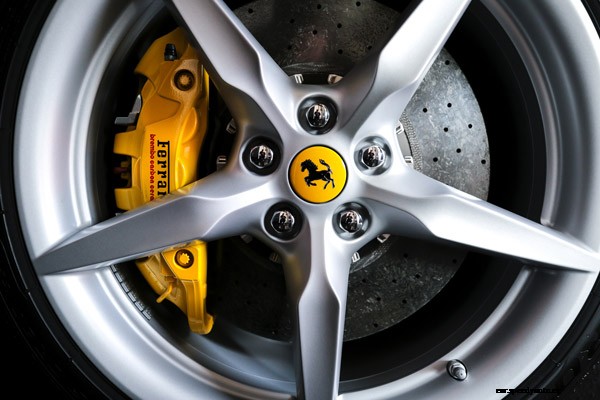
When you schedule an appointment with AAMCO Colorado, one of our expert mechanics will carefully inspect and review the entire brake system. The process is simple but requires attention to detail and a little experience… Here is what you can expect:
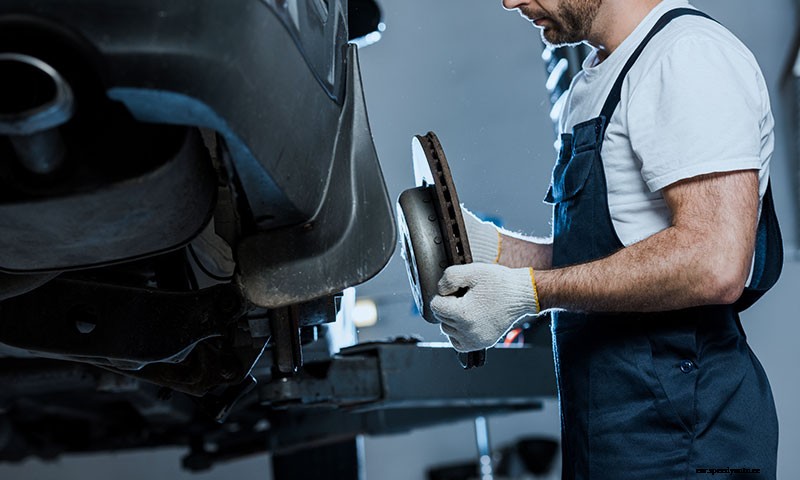
Rust, corrosion, and debris buildup can quickly impact your driving experience and your vehicle’s brake system. Wear and tear is normal which is why it is so critical to address a problem as soon as it presents to avoid costly, extensive damage over time. It is recommended that a brake flush service should be performed every 30,000 miles or 2 years, whichever comes first. If you are a frequent driver, or make long trips often, keep an eye on your brakes and watch for any changes in performance.
