There is a good chance you know what the exterior of your car looks like at this moment. You remember when that dent happened, and you remember dinging your car door on the shopping cart, but do you know what condition the undercarriage of your car is in? When you clipped the curb or scraped the surprise speed bump on the road, did you check for damage? Chances are the answer is no. This is one of the few instances where “out of sight, out of mind” is not the best way to ensure your car is in top condition. What are some of the biggest risks of undercarriage damage and how does it happen?
There isn’t a single way this damage occurs which is why following a factory recommended maintenance schedule is important. While you may not have the ability to get under your vehicle to inspect everything, our expert mechanics have the tools at their disposal to identify problems. Let’s explore some of the ways your vehicle is vulnerable to damage.

Hitting a pothole, small or large, can cause serious damage to cars of all sizes. This damage is much more likely to occur on vehicles with a lowered suspension, small rims, or tires. Some potholes can create an impact force strong enough to slam your car back into the asphalt which may cause the bottom to scrape against the road. This action may lead to cracks, fluid leaks, and exhaust and muffler damage.
In some areas of the country, the use of road salt is a common solution for icy roads. As you drive along, the salt is splashed up and collects on the undercarriage of the car. Over time, this salt corrodes metals and causes critical components to become more vulnerable to further damage. Whether salt is applied to the roads where you live, or places you visit, keeping the vehicle clean and safe from long-term exposure is the best way to mitigate risk.
When you drive down the road, does it feel like a smooth ride or does it seem like you may get thrown from your seat? If you hit a bump, does it feel like the bottom of your car is contacting the road? Shock absorbers, or shocks, serve an important function by dampening the impact and energy created when driving over bumps. As these components begin to break down, you will start to feel your ride becoming rough and uncomfortable.
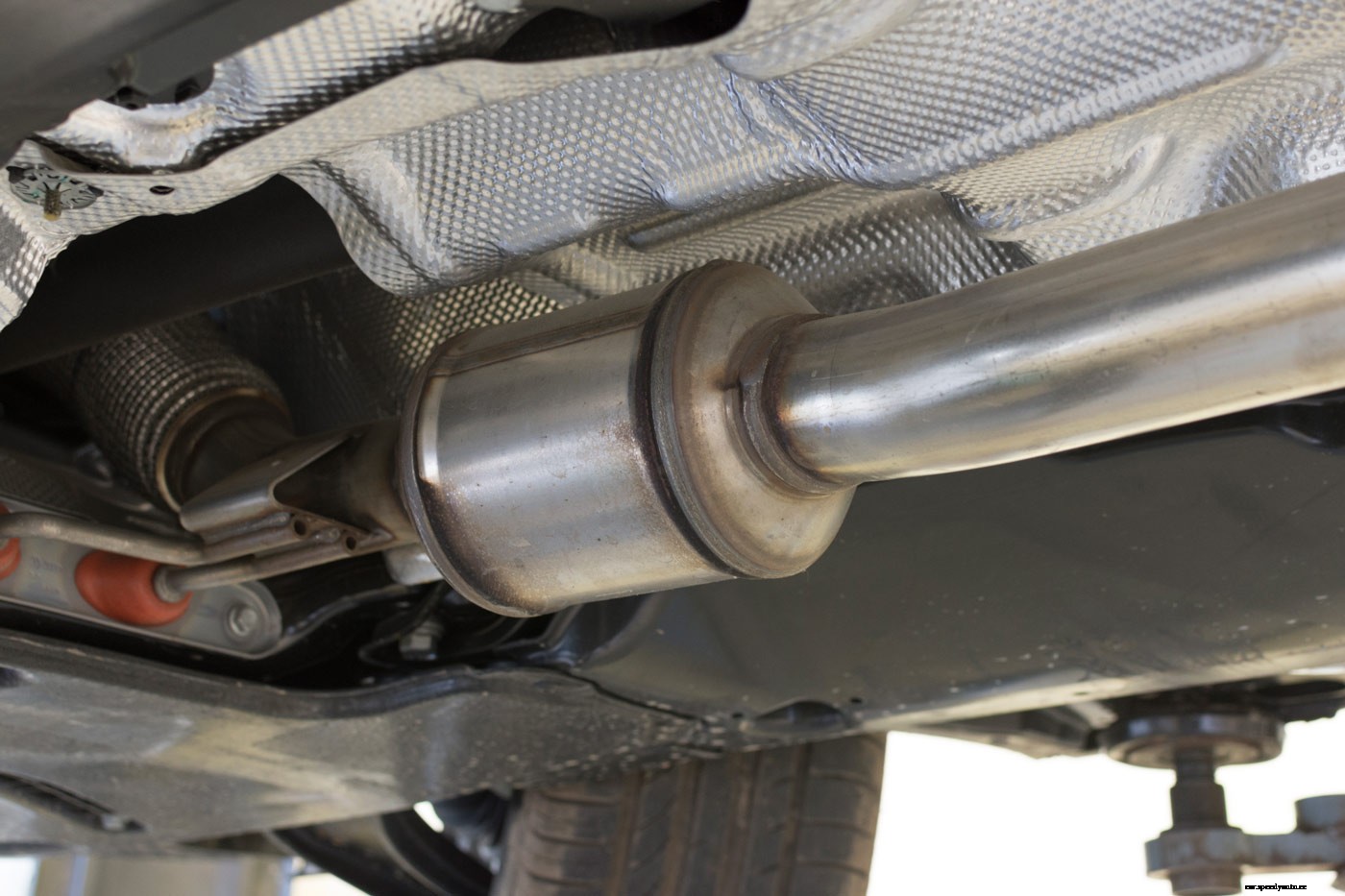
This type of damage can happen easily, particularly for individuals who spend more time driving on country, gravel, or back roads. Rocks and other debris can cause a rock to puncture the oil pan, knock the muffler lose, and may even cause damage to the brake system. Exercise extra caution when driving on roads with poor maintenance, bumps, or other obstacles. In the event if you feel your car may be at risk, schedule an appointment today and we can help!