
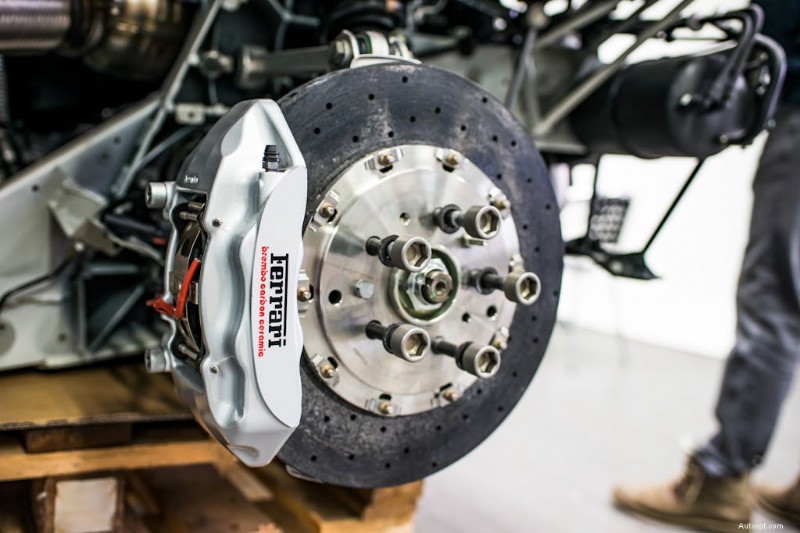
Your vehicle’s brakes are one of the most important safety systems you rely on every time you drive. Whether you’re stopping at a red light or avoiding a hazard on the highway, your brakes need to respond immediately and effectively. When they don’t, the consequences can be dangerous—not just for you, but for everyone on the road.
At Morgan Automotive Repair, we help drivers stay safe with expert brake inspections and timely repairs. This guide will show you the key warning signs that your brakes may be failing, why it happens, and what you should do about it.
If you notice any of the following symptoms, it’s time to bring your car in for a professional auto repair service before the problem gets worse.
Brakes don’t last forever. Over time, brake pads wear down, rotors warp, and fluid levels drop. Without routine inspection and maintenance, you could be driving with compromised stopping power.
Proper brake care:
Waiting too long to service your brakes can lead to complete brake failure—and that’s a risk no driver should take.
Let’s look at some of the most common indicators that your brake system needs immediate attention.
A high-pitched squeal when you apply the brakes is usually the first warning sign. Brake pads are designed with built-in indicators that make noise when they’re nearing the end of their life. If caught early, replacing the pads is a quick and affordable fix.
If you hear grinding sounds, your brake pads may be completely worn down, causing metal to grind against metal. This can damage your rotors and lead to a much more expensive car repair. Grinding brakes should be addressed immediately.
Does your steering wheel or brake pedal vibrate when you brake? This could indicate warped rotors. Warped rotors reduce braking efficiency and can make your vehicle harder to control.
If it’s taking longer than usual to stop your car, or if the brakes feel “soft” or less responsive, your braking system could be compromised. It’s often caused by worn brake pads, air in the brake lines, or old brake fluid.
Your dashboard brake warning light is there for a reason. It may indicate low brake fluid, worn brake pads, or a system malfunction. Don’t ignore it—get your brakes inspected by a trusted auto repair technician as soon as possible.
If your car pulls to the left or right when braking, it could be due to uneven brake pad wear, a stuck caliper, or uneven tire pressure. This affects your ability to stop in a straight line, which can be dangerous in emergencies.
A healthy brake pedal should feel firm and responsive. If it feels spongy or sinks to the floor, it could be a sign of a brake fluid leak or air in the hydraulic system.
A sharp, chemical smell after heavy braking may indicate overheated brakes or a stuck caliper. Overheating brakes can lead to brake failure if ignored.
Brake problems can stem from a variety of causes, including:
The best way to stay ahead of brake issues is with regular inspections and preventative maintenance.
As a rule of thumb, we recommend having your brakes inspected at least once every 12,000 miles or once a year—whichever comes first. However, if you notice any of the symptoms above, don’t wait. Prompt service can prevent small problems from becoming dangerous and expensive ones.
At Morgan Automotive Repair, we provide comprehensive brake inspections that include checking pads, rotors, calipers, fluid, and the entire brake system for safety and performance.
Q1: How long do brake pads typically last?
A: Most brake pads last between 30,000 to 70,000 miles, depending on your driving habits, terrain, and type of vehicle. City driving tends to wear them out faster due to frequent stopping.
Q2: Can I drive if my brakes are squealing?
A: If the squeal is from a wear indicator, you can drive short distances—but you should have your brakes inspected soon. If the noise becomes grinding or the car feels unsafe, stop driving immediately and schedule a repair.
Q3: What does it mean if my brake pedal feels soft?
A: A soft or spongy pedal usually means there’s air in the brake lines or a fluid leak. This is a serious issue and should be inspected right away.
Q4: How much does brake repair cost?
A: The cost depends on what needs to be replaced—pads, rotors, calipers, etc. At Morgan Automotive Repair, we provide upfront estimates and transparent pricing so you know exactly what to expect.
Q5: Can I visually inspect my own brake pads?
A: If you have open-spoke wheels, you may be able to see the pads by looking through the wheel. However, we recommend a full inspection by a qualified auto repair technician to ensure all components are working properly.
Your brakes are your car’s most vital safety feature. If you notice squealing, grinding, pulling, or any other sign that your brakes might be failing, don’t wait. A quick inspection could prevent a serious accident or a costly repair.
At Morgan Automotive Repair, we treat your safety like it’s our own. Our certified technicians are trained to identify brake issues early and fix them right the first time.
Think your brakes might be failing? Don’t take chances with your safety.
Schedule a professional brake inspection at Morgan Automotive Repair today.
Call now or visit us online to book your appointment at the location nearest you.
Let us keep your car—and your confidence—running strong.
