
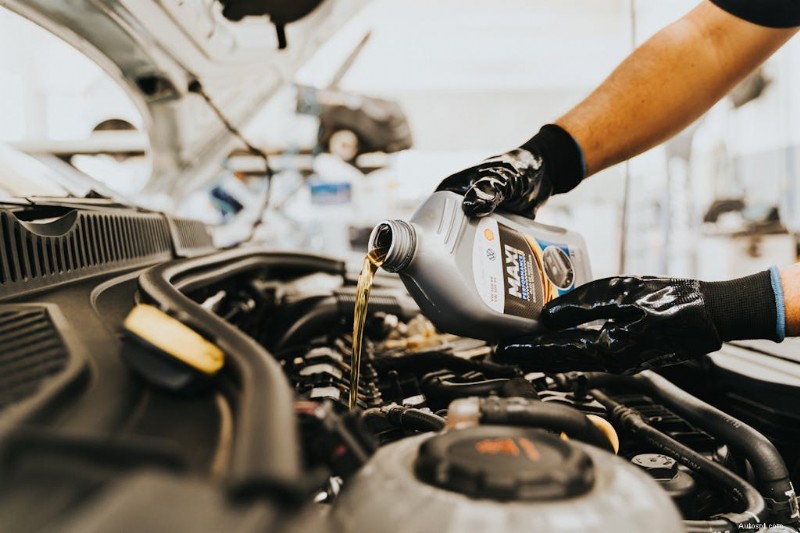
When it comes to maintaining your vehicle, few services are as crucial—and often overlooked—as the regular oil change. It may seem like a small task, but clean engine oil plays a massive role in the long-term performance, efficiency, and reliability of your car. At Morgan Automotive Repair, we regularly see vehicles suffering from avoidable damage due to neglected oil maintenance.
If you’re wondering why regular oil changes matter so much, this guide breaks it down in simple terms. Learn what oil does, how often to change it, and what happens when you delay this key part of vehicle care.
Engine oil acts as a lubricant for the hundreds of fast-moving parts inside your engine. Without proper lubrication, parts grind together and wear out faster. In addition to reducing friction, oil also:
Clean oil ensures your engine runs smoothly and efficiently. Dirty oil, on the other hand, becomes thick, gritty, and ineffective over time.
Even if you’re not tracking miles, your car will usually give you signals that an oil change is needed. These include:
Ignoring these signs could lead to engine damage—and expensive repairs down the line.
The answer depends on your vehicle’s make and model, the type of oil used, and your driving habits. While older vehicles typically require an oil change every 3,000 miles, newer vehicles using synthetic oil may only need it every 7,500 to 10,000 miles. However, frequent short trips, stop-and-go driving, or extreme temperatures may require more frequent changes.
If in doubt, check your owner’s manual or stop by Morgan Automotive Repair for a maintenance consultation.
Delaying an oil change might seem harmless at first, but over time, the effects can be devastating to your engine. Here’s what could happen:
Compared to the cost of major engine repairs, oil changes are a minor investment with huge returns.
When you make oil changes part of your regular maintenance schedule, you’re doing more than just protecting your engine. You’re also:
It’s one of the simplest ways to ensure your vehicle stays reliable and safe for years to come.
At Morgan Automotive Repair, we make oil changes easy, convenient, and affordable. Our certified technicians use high-quality oil and filters tailored to your specific vehicle. Plus, each oil change includes a complimentary multi-point inspection to catch any small issues before they become big problems.
We help you stay on schedule and stay safe on the road.
Q1: What type of oil is best for my car?
A: It depends on your vehicle’s engine type, age, and manufacturer recommendations. We offer both synthetic and conventional oils and can recommend the best option based on your driving habits and climate.
Q2: Can I just top off the oil instead of changing it?
A: Topping off may help in the short term, but it doesn’t remove the old, dirty oil or the contaminants that come with it. Regular oil changes are still necessary.
Q3: Is it bad to go past the recommended oil change interval?
A: Occasionally going a little over may not cause immediate damage, but consistently delaying oil changes can significantly reduce your engine’s lifespan and lead to expensive repairs.
Q4: Do I need an oil change if I haven’t driven much lately?
A: Yes. Even if you haven’t put many miles on your car, oil degrades over time. It’s best to change it every six months or as recommended by your vehicle’s manufacturer.
Q5: What happens during a professional oil change?
A: At Morgan Automotive Repair, we drain the old oil, replace the oil filter, add fresh oil, and perform a basic inspection to ensure your vehicle is in good condition.
Regular oil changes are the foundation of a healthy engine and a reliable vehicle. Skipping them may save you time today, but it can cost you thousands tomorrow. Protect your investment and your safety by making oil changes a priority.
At Morgan Automotive Repair, we take the hassle out of car maintenance. Whether you’re overdue for an oil change or just want to stay ahead on your vehicle’s care, we’re here to help.
Need an oil change? Trust the experts at Morgan Automotive Repair for fast, friendly, and professional service.
Schedule your appointment today by calling us or visiting your nearest Morgan Automotive Repair location.
Let us keep your engine running smoothly—mile after mile.
