
Failed your emissions test and not sure what went wrong? You’re definitely not alone. Every year, thousands of drivers head into inspection thinking their vehicle is running perfectly—only to find out it doesn’t meet emissions standards. The frustrating part? In many cases, the car feels completely fine on the road. No rough idle, no strange noises… just a failed test and a lot of questions.
Vehicle emissions tests ensure your engine runs cleanly and limits harmful gases. Small issues—like a loose gas cap, a dirty sensor, or a recently reset battery—can cause failure instantly.
To begin, let’s clarify how the emissions test actually works, why so many cars fail, and what you can do—step by step—to pass quickly and efficiently without unnecessary hassle.
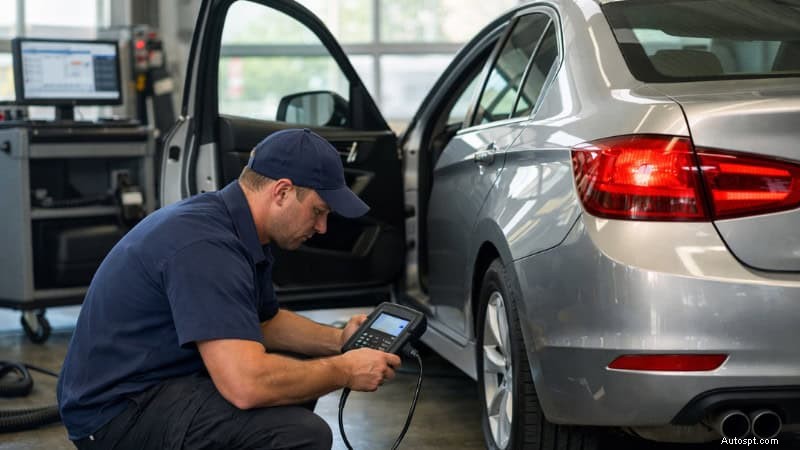
A vehicle emissions test is a quick inspection that measures the amount of pollution your car emits. In simple terms, it ensures your engine runs cleanly and doesn’t emit excessive amounts of harmful gases, such as carbon monoxide (CO), hydrocarbons (HC), or nitrogen oxides (NOx). These tests are required in many states to maintain air quality and ensure vehicles remain environmentally compliant.
Modern emissions testing focuses more on your car’s computer reports than actual exhaust output. Most vehicles built after 1996 use OBD2 (On-Board Diagnostics) to continuously monitor engine performance and emissions components.
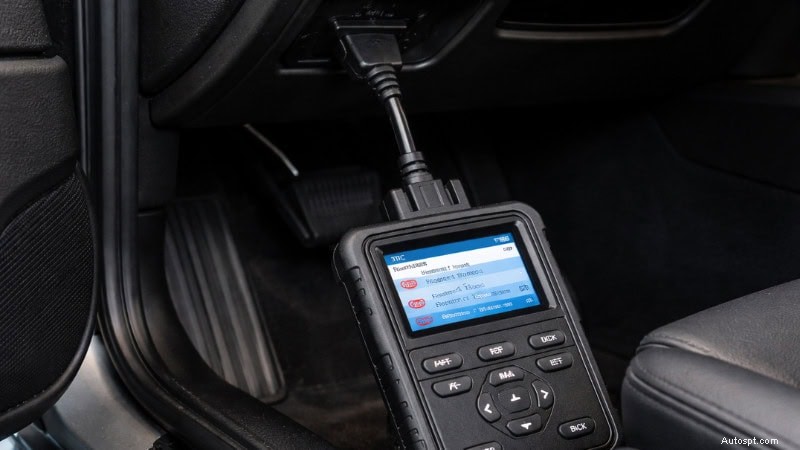
This is the fastest and most common method. The inspector plugs a scanner into your car’s OBD2 port and checks for:
If your check engine light is on or monitors aren’t ready, you’ll likely fail immediately.
For older cars, this test measures exhaust gases to check whether emissions are within limits.
In some cases, inspectors will also look under the hood or under the car to confirm that key emissions components are present and unaltered. This includes:
Now that you know the main types of emissions tests, it’s important to understand what inspectors are really checking for during your visit.
At the end of the day, the test is focused on one thing:
Is your engine running efficiently and cleanly?
That means:
If any of these systems are out of balance—even slightly—your vehicle can fail the test. That’s why understanding the common failure points is the key to passing on your first try.
Understanding why vehicles fail emissions tests is the first step toward quickly fixing the problem and avoiding unnecessary repairs. As a mechanic, I find that most failures come down to a few common issues—many of which are easier to fix than drivers might assume.
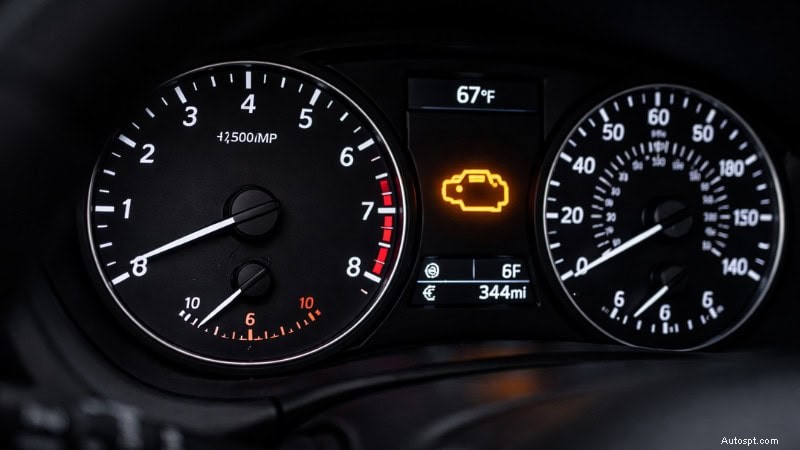
If your check engine light is on, your vehicle will automatically fail the emissions test—no exceptions.
Even if the car feels like it’s running perfectly, the system has detected a fault that affects emissions. Inspectors rely on your vehicle’s onboard diagnostics (OBD2), and any active code is a red flag.
Common trouble codes include:
Important: Simply clearing the code won’t help. You must fix the underlying issue and complete a drive cycle.
The oxygen sensor helps your engine use the right air-fuel mix by checking exhaust oxygen.
When the O2 sensor fails:
A bad O2 sensor is one of the most common reasons for emissions failure—and one of the more affordable fixes.
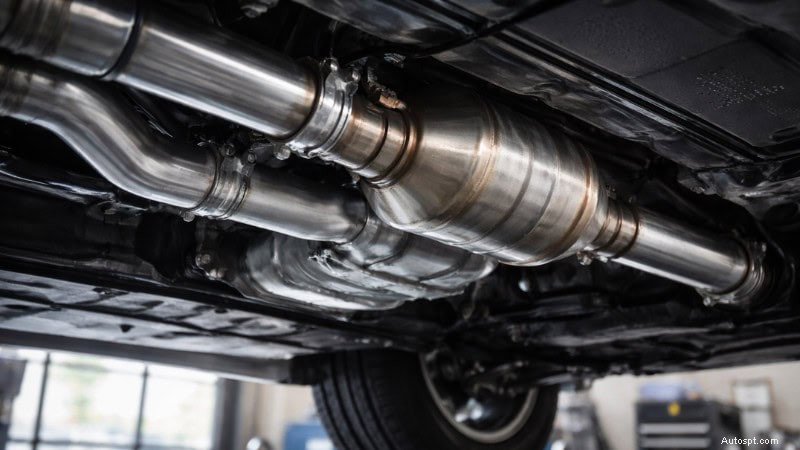
The catalytic converter converts harmful gases into less harmful ones before they exit the exhaust.
When it fails:
This is often the most expensive repair, especially on modern vehicles.
The EVAP system prevents fuel vapors from entering the air.
Common causes of EVAP failure include:
Even a small leak can trigger a fault code and cause a failed test. The good news? Many EVAP issues are quick and inexpensive to fix.
The MAF sensor measures how much air enters the engine to adjust the fuel mixture.
If the MAF sensor is dirty or faulty:
In many cases, simply cleaning the MAF sensor can restore proper performance.
A misfire occurs when fuel in one or more cylinders doesn’t burn properly.
Common causes include:
When misfires happen:
Misfires should always be fixed immediately—not just for emissions, but to protect your engine.
After clearing codes or disconnecting the battery, your vehicle’s system resets. This means emissions monitors show as “Not Ready.”
What this means:
To fix this, you need to complete a full drive cycle (usually 50–100 miles with mixed driving conditions).
From a mechanic’s perspective, most emissions test failures aren’t caused by major engine damage—they’re usually the result of small, often ignored issues. Addressing these promptly not only helps you pass the test but also keeps your engine running efficiently and saves money in the long run.
Passing an emissions test isn’t about luck—it’s about preparation. Follow this step-by-step process like a pro mechanic, and you’ll dramatically increase your chances of passing on the first try.
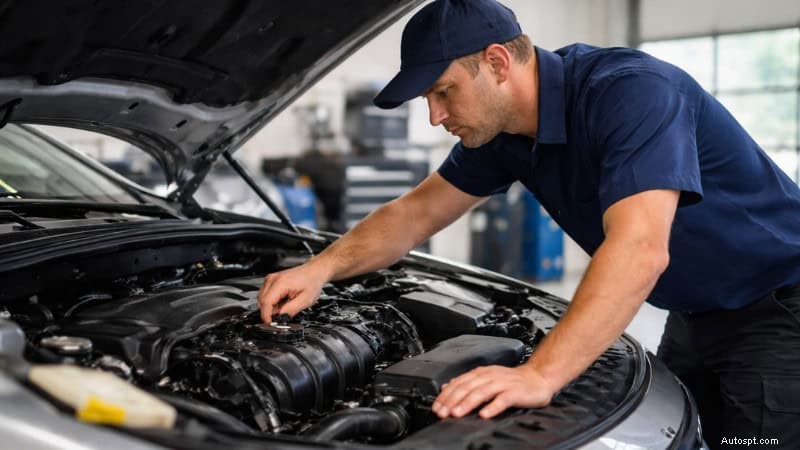
Before doing anything else, scan your vehicle for diagnostic trouble codes.
If codes are present, your car is already telling you what’s wrong. Fix those issues first before going to the test.
Never attempt an emissions test with the check engine light on.
Clearing codes without fixing the issue resets the system and creates new problems, like “not ready” monitors.
After repairs or a battery reset, your vehicle needs time to verify that everything is working properly.
Drive 50–100 miles under mixed conditions.
Include:
Allow the engine to cool and restart between trips.
This process sets your readiness monitors to “READY,” which is required to pass the test.
Always take your test with a fully warmed-up engine.
A cold engine can increase emissions and lead to failure.
Fuel quality directly affects combustion and emissions.
This can reduce emissions, especially in vehicles with minor buildup.
This is one of the simplest fixes—and one of the most overlooked.
A loose gas cap can trigger EVAP system codes and cause a failure.
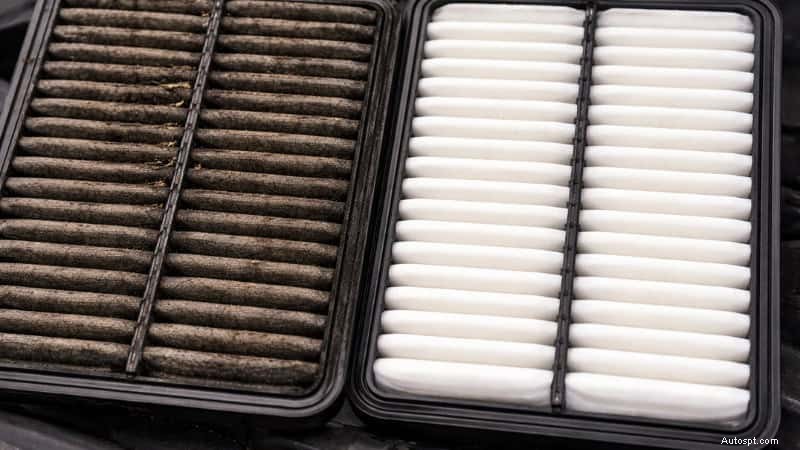
Clean airflow is essential for proper combustion.
Better airflow helps maintain the correct air-fuel ratio and reduces emissions.
Old or contaminated oil can negatively affect engine performance.
This is especially important for older or high-mileage vehicles.
Most people fail emissions tests because they rush the process.
They clear codes at the last minute, skip the drive cycle, or ignore small issues.
Take the time to prepare properly, and you’ll avoid a failed test, extra fees, and unnecessary stress.
If you’re short on time or trying to pass the test without major repairs, these quick fixes can make a real difference. From a mechanic’s perspective, small adjustments often improve emissions enough to help your vehicle pass.
Never take your car straight to the test without driving it first.
This fully warms up the engine and catalytic converter, improving emission efficiency.
Low tire pressure places extra strain on the engine.
Less engine load = cleaner combustion.
If you recently disconnected the battery or cleared codes:
Always complete a drive cycle before going to the test.
A good-quality fuel additive can help clean internal components.
Helpful for minor issues—not a fix for major problems.
Small worn parts can affect emissions more than you think.
Replacing these is inexpensive and often improves results quickly.
Small air leaks can throw off your engine’s air-fuel ratio.
Even a tiny leak can cause emission issues.
Fuel level can affect EVAP system testing.
This helps your EVAP monitor complete successfully.
Here’s the truth:
Most cars don’t fail emissions because of one major issue—they fail due to a combination of small problems.
Fix the basics first, and you’ll often pass without spending much money.
One of the biggest concerns after a failed emissions test is cost. The good news? Not every failure means an expensive repair. In many cases, the issue is something simple and affordable—especially if you catch it early.
Here’s a realistic breakdown from a mechanic’s perspective.
Common Emission Repairs & Costs
These are quick and budget-friendly:
Many drivers pass emissions after fixing just one of these.
These require a bit more investment:
Still manageable, especially compared to major repairs.
These are less common but more serious:
If repair costs are too high, some drivers consider whether it’s worth fixing based on its value.
Misdiagnosing the issue can cost more in the long run, so be careful.
Don’t panic after a failed emissions test.
In many cases, the problem is small, fixable, and affordable.
Start with the basics, diagnose properly, and only move to expensive repairs if absolutely necessary.
Short answer: No—you cannot pass an emissions test with the check engine light (CEL) on.
From a mechanic’s perspective, this is one of the most misunderstood parts of emissions testing. Many drivers think, “The car runs fine, so it should pass.” But the system doesn’t work that way.
When the check engine light is on, it means your vehicle’s onboard computer (OBD2 system) has detected a fault related to emissions or engine performance.
During the test:
Even a minor issue, such as a small EVAP leak, can trigger a fail.
This is where many people make a mistake.
Result: You still fail—just for a different reason.
Readiness monitors are self-check systems inside your car that confirm key components are working properly.
Examples include:
If these monitors are not complete:
This usually happens after:
To pass emissions successfully:
Confirm:
Clearing the check engine light might seem like a quick fix—but it actually makes things worse.
The only real way to pass an emissions test is to repair the issue and let the system verify it’s fixed.
Failing an emissions test isn’t the end of the road—but you do need to take the right steps quickly. What happens next depends on your state, but the process is generally similar across the U.S.
You’ll Receive a Failure Report
After the test, you’ll get a report showing:
This report is your roadmap—it tells you exactly what needs to be fixed.
Before retesting, the issue must be resolved.
In many cases, fixing a single main issue will resolve multiple symptoms.
Once repairs are complete:
Always confirm your local retest policy to save money.
Most states give you a limited time to pass emissions.
Missing the deadline can create registration problems.
If your vehicle doesn’t pass emissions:
This is why it’s important to act fast after a failure.
Depending on your location:
Costs can add up if the issue is ignored.
Failing an emissions test is common—and usually fixable.
Don’t panic. Focus on:
Most drivers pass on the second attempt once the real issue is addressed.
One of the most frustrating reasons for failing an emissions test is seeing “Not Ready” on your readiness monitors—even when your car has no check engine light and seems to run perfectly.
From a mechanic’s point of view, this is very common after clearing codes, disconnecting the battery, or performing repairs.
Your vehicle’s computer runs self-checks on key emissions systems. These are called readiness monitors.
Common monitors include:
When a monitor shows “Not Ready”, it means:
Result: You may fail the test—even with no active issues.
Readiness monitors reset when:
After this, the car needs time and proper driving conditions to relearn everything.
To get all monitors to “Ready,” follow a proper drive cycle. While exact steps vary by vehicle, this general method works for most cars:
For EVAP monitor readiness, keep the fuel level between 1/4 and 3/4 tank.
Being too full or too empty can prevent the EVAP system from completing its test.
Important Tips
If one monitor is still “Not Ready,” keep driving normally for a few more days.
Mechanic Insight
“Not Ready” doesn’t mean something is broken—it just means your car hasn’t finished checking itself yet.
Patience is key. Complete the drive cycle properly, and your monitors will switch to “Ready,” allowing you to pass the emissions test.
If you want to pass an emissions test without wasting money on guesswork, having the right tools makes a huge difference. Even as a beginner, a few basic diagnostic tools can help you identify problems early and fix them correctly.
This is the most important tool for emissions diagnosis.
A basic scanner is enough for most drivers, but advanced models provide live data (such as fuel trims and O2 sensor readings).
More advanced scanners allow you to see how your engine is running in real time.
Helps you detect issues like rich/lean conditions before they trigger a code.
EVAP leaks are one of the most common emissions failures—and sometimes hard to find.
This tool is often used by professionals, but DIY versions are available.
A multimeter helps test electrical components related to emissions.
Useful for confirming whether a sensor is actually bad before replacing it.
Not exactly a diagnostic tool—but extremely useful.
One of the cheapest fixes that can solve real problems.
Sometimes the issue is mechanical, not electronic.
Simple tools can save you labor costs on easy repairs.
You don’t need a full professional setup to diagnose emissions problems.
Not all vehicles are equal when it comes to passing emissions tests. From a mechanic’s experience, certain types of cars are far more likely to fail—usually due to age, wear, or maintenance history.
Understanding this can help you prepare better and avoid surprises.
As vehicles age, emissions components naturally wear out.
Common issues:
Older cars often require more frequent maintenance to stay within emission limits.
Mileage plays a big role in emissions performance.
High-mileage vehicles are more prone to failing due to gradual performance decline.
Lack of regular maintenance is a major cause of emissions failure.
Common neglect areas:
Even a well-built car will fail emissions if basic maintenance is ignored.
This one surprises many drivers.
Even with no real issues, the vehicle can still fail.
Driving habits matter more than you think.
These vehicles often fail due to inefficient combustion.
Any modification that affects emissions can lead to failure.
Examples:
Most states have strict rules—modifications can cause automatic failure.
It’s not just about the car—it’s about how it’s maintained and driven.
Even older or high-mileage vehicles can pass emissions easily if:
If you want to pass your emissions test without wasting time or money, these real-world tips from a mechanic can make a huge difference. These are the small details most drivers overlook—but they often determine whether you pass or fail.
This is one of the biggest mistakes people make.
Always fix the problem and complete a proper drive cycle before testing.
It’s tempting to take shortcuts—but they usually don’t work.
Diagnose first, then repair correctly.
You don’t need to jump into expensive repairs right away.
Start with:
Many vehicles pass emissions after these simple fixes.
Letting your car sit too long can hurt emissions performance.
A well-driven car performs more cleanly.
Never go into an emissions test blind.
This one step can save you from an instant failure.
Minor issues can quickly turn into emissions failures.
Watch for:
These early signs often point to emission-related problems.
Timing can actually affect your results.
A properly warmed-up engine performs at its best.
Passing an emissions test isn’t about luck—it’s about preparation and attention to detail.
No, clearing codes alone will not help you pass an emissions test. When you clear codes, your vehicle’s onboard system resets all readiness monitors to “Not Ready.” This means the system has not verified whether emissions components are functioning properly. During inspection, if monitors are not ready, the vehicle will likely fail—even if the check engine light is off. The correct approach is to fix the underlying issue, then drive the vehicle through a full drive cycle until all monitors show “Ready” before going for the test.
Ideally, you should drive your car for at least 15–20 minutes before the emissions test to fully warm up the engine and catalytic converter. A warm engine burns fuel more efficiently and produces lower emissions. If you recently repaired the vehicle or reset the battery, you may need to drive 50–100 miles over a few days to complete all readiness monitors. A mix of highway and city driving is best. Going to the test with a cold engine or an incomplete drive cycle can increase your chances of failure.
Fuel additives can help in certain situations, but they are not a guaranteed fix. High-quality fuel system cleaners can remove carbon buildup from fuel injectors and improve combustion efficiency, potentially slightly reducing emissions. This can be helpful if your vehicle has minor issues. However, additives will not fix major problems like a bad catalytic converter, faulty sensors, or engine misfires. Think of them as a supporting solution—not a replacement for proper diagnosis and repair.
Yes, a weak or recently disconnected battery can indirectly cause an emissions test failure. When the battery is disconnected or loses power, the vehicle’s computer resets, clearing all stored data and readiness monitors. As a result, the system shows “Not Ready,” and the inspection station cannot verify emissions performance. Even if the vehicle has no actual faults, it may still fail. To avoid this, drive the car through a full drive cycle after any battery replacement or reset before going for the test.
It depends on your vehicle’s value and overall condition. A catalytic converter is one of the most expensive emissions components, often costing $800 to $2500 or more to replace. If your car is relatively new or in good condition, replacing it is usually worth it to maintain performance and pass emissions. However, if the vehicle is older with multiple issues, the repair cost may exceed its value. In that case, you’ll need to evaluate whether repairing or replacing the vehicle makes more financial sense.
Passing a vehicle emissions test doesn’t have to be stressful or expensive—if you approach it the right way. Most failures come down to simple issues like a check engine light, an incomplete drive cycle, or minor maintenance problems that can be fixed quickly once you know what to look for.
The key is preparation. Always scan your vehicle for trouble codes, fix any underlying issues, and make sure all readiness monitors are set to “Ready” before heading to the test. Don’t forget the basics—warm up your engine, check your gas cap, and ensure your car is properly maintained.
From a mechanic’s perspective, the drivers who pass on the first try are the ones who take a little extra time to prepare instead of rushing into the test.
Fix small problems early, follow the right steps, and you’ll not only pass your emissions test—you’ll keep your engine running cleaner, smoother, and more efficiently for the long run.
