
You press the gas pedal, but your car feels weak or slow instead of responding with power. This problem is frustrating, especially when you need quick acceleration to merge or overtake. Instead of a smooth surge, your engine struggles or delays, lacking past performance.
A car losing power during acceleration can result from simple issues, such as a dirty sensor or a clogged air filter. Sometimes, serious problems like fuel delivery or ignition failure cause it. Don’t ignore these warning signs—act promptly.
This guide covers common causes of power loss, easy DIY fixes, and when to see a mechanic.

When you press the gas pedal, your car’s engine needs the perfect mix of air, fuel, and spark to create power. If any one of these is off—even slightly—you’ll notice it right away as slow acceleration, engine hesitation, or weak performance. Modern vehicles rely heavily on sensors and the engine control unit (ECU) to maintain this balance, so even a small fault can throw everything off.
For example, if your engine isn’t getting enough air due to a clogged filter or not enough fuel because of a restriction in the fuel system, your car will struggle to respond. Likewise, weak ignition (like worn spark plugs) can cause incomplete combustion, leading to a noticeable loss of engine power during acceleration.
In many cases, this issue shows up as a car feeling sluggish when accelerating, especially under load, like going uphill or carrying passengers. Sometimes, it may feel like the engine is holding back or not delivering full power, which is a common sign of engine hesitation when accelerating.
The key takeaway is simple: your engine is a system, and when one part fails, the whole performance suffers. That’s why understanding the root cause is essential before jumping into repairs.
Your car rarely loses power without warning. Look for signs early to prevent bigger, more expensive problems later. Recognize these symptoms and act fast.
Here are the most common signs to watch for:
These symptoms often appear together, making it clear your car isn’t performing properly. Notice multiple signs? Suspect an underlying issue with acceleration and fix it.
If your car feels weak when you accelerate, something’s wrong. Identify the faulty system. Here are the most common causes of weak acceleration or power loss that mechanics diagnose daily.
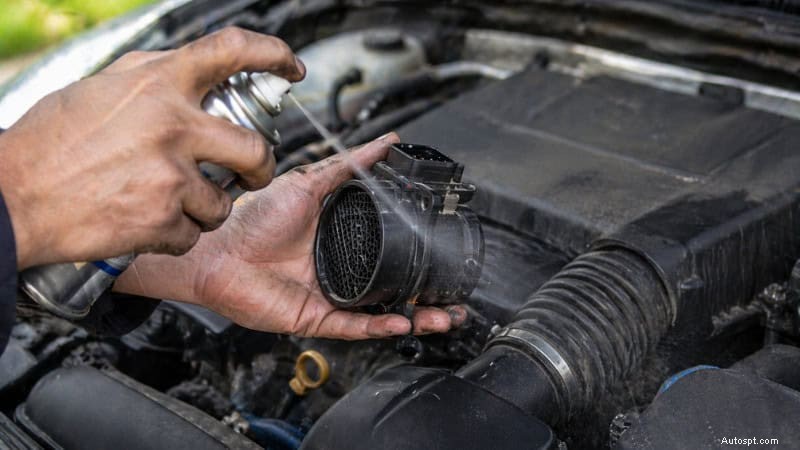
The MAF sensor measures how much air enters your engine. If it gets dirty or fails, it sends incorrect data to the ECU, resulting in a poor air-fuel mixture. This often results in engine hesitation when accelerating and reduced performance.
A clogged fuel filter restricts fuel flow to the engine. When you accelerate, your engine needs more fuel—but if it can’t get enough, you’ll feel slow acceleration issues and weak power, especially under load.
The fuel pump delivers fuel at the correct pressure. If it’s failing, your engine won’t get the fuel it needs, causing the car to lose power under acceleration, particularly at higher speeds.
A bad fuel injector directly causes loss of power during acceleration by disrupting the precise delivery of fuel. Injectors spray fuel for proper combustion, but when clogged, dirty, or failing, the engine won’t get enough fuel. This results in hesitation, rough idling, misfires, and poor fuel economy. Often, you’ll notice your car feels weak or struggles under load, especially during hard acceleration. If left untreated, faulty injectors can worsen engine performance and cause long-term damage, so cleaning or replacing them is essential.
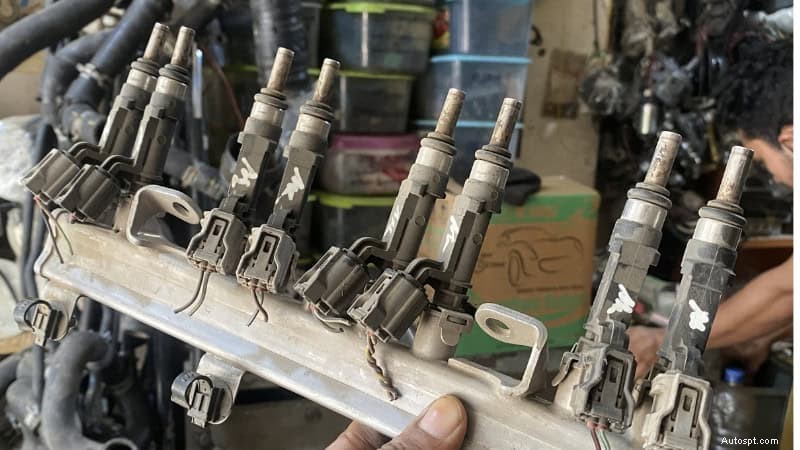
Spark plugs ignite the air-fuel mixture. When they’re worn out, combustion becomes weak or inconsistent, leading to engine misfires and noticeable loss of engine power during acceleration.
The throttle body controls how much air enters the engine when you press the gas pedal. Carbon buildup can restrict airflow, causing a delayed response and making the car feel sluggish when accelerating.
O2 sensors monitor exhaust gases and help adjust the air-fuel ratio. A bad O2 sensor can cause poor fuel mixture, leading to car performance problems and inefficient acceleration.
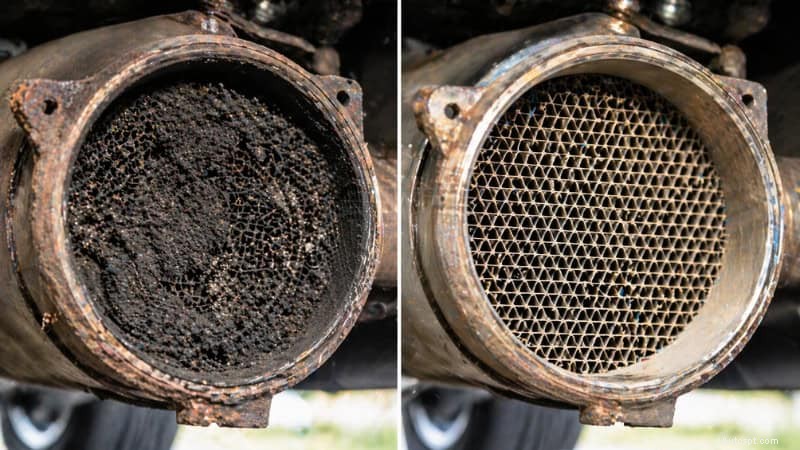
A blocked catalytic converter restricts exhaust flow, making it hard for the engine to “breathe.” This results in a choking effect and severe loss of engine power, especially when accelerating.
Sometimes the engine is fine, but the transmission isn’t transferring power properly. Slipping gears or delayed shifting can make the car feel like it has no power when accelerating, even though the engine is working.
Vacuum leaks allow unmetered air into the engine, disrupting the air-fuel ratio. This can cause rough running and engine hesitation when pressing the gas.
In turbocharged engines, the turbo boosts power by forcing more air into the engine. If it fails or leaks, you’ll experience a significant drop in acceleration performance and noticeable lag.
Start fixing the problem by understanding its cause. Next, try these quick DIY fixes before taking your car to a mechanic.
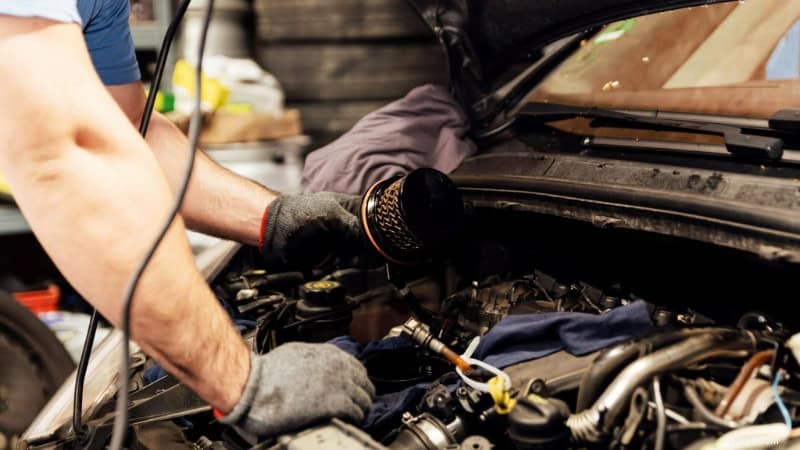
Check these simple maintenance steps before paying for repairs. Many acceleration issues have quick, DIY solutions that restore performance instantly.
Start with these quick, beginner-friendly steps:
A dirty MAF sensor is one of the most common reasons for engine hesitation when accelerating.
A clogged air filter restricts airflow, causing the car to feel sluggish when accelerating.
Dirty injectors can affect fuel delivery and cause slow acceleration issues.
Bad or low-quality fuel can lead to poor combustion, causing the car to struggle to accelerate.
Worn spark plugs can cause weak ignition and loss of engine power during acceleration.
Loose or cracked hoses can disrupt airflow and cause engine performance problems.
These fixes resolve most acceleration issues without costly repairs. Still weak? Move to a proper diagnosis now.
If you’ve tried the quick fixes and your car still loses power, diagnose the issue now. You don’t need to be a mechanic to follow these steps.
Modern cars store error codes when something goes wrong.
Sometimes the issue is something simple you can see.
This helps identify obvious causes of a car’s difficulty accelerating.
Low fuel pressure is a major cause of loss of engine power during acceleration.
Faulty sensors can send incorrect data to the ECU.
This step is key to diagnosing engine hesitation when accelerating.
Take the car for a drive and observe behavior.
A road test helps confirm real-world performance issues with a car.
By following these steps, you can narrow down the exact cause of your slow-acceleration issues instead of guessing and blindly replacing parts. If the problem still isn’t clear, that’s when professional diagnosis becomes the smart move.
Sometimes, a quick fix isn’t enough—and continuing to drive with loss of engine power can lead to bigger problems. Knowing when to stop troubleshooting and call a professional can save you time, money, and even prevent serious engine damage.
Here are clear signs it’s time to see a mechanic:
A flashing light usually indicates a serious issue, such as a misfire. Driving in this condition can damage your catalytic converter and worsen engine performance problems.
If your car is shaking, stalling, or struggling to stay running, it’s a strong sign of serious ignition or fuel-system failure, leading to engine hesitation when accelerating.
If your car suddenly feels extremely weak or won’t accelerate properly, it could be a major issue like a fuel pump failure, transmission trouble, or a restricted exhaust—common causes of a car losing power when accelerating.
Knocking sounds, loud exhaust noises, or burning smells can indicate internal engine or exhaust system problems that affect car performance during acceleration.
If you’ve already tried basic fixes and your car still feels sluggish, the issue likely requires advanced tools and a deeper inspection to diagnose the car’s struggles to accelerate.
If your vehicle hesitates when merging, overtaking, or climbing hills, it becomes a real safety risk. Poor acceleration can make driving unpredictable and dangerous.
Bottom Line: If your car shows any of these signs, don’t ignore them. A certified mechanic can run advanced diagnostics and pinpoint the exact cause before it turns into a costly repair.
The cost to fix a car that loses power when accelerating can vary widely depending on the cause. Some fixes are quick and cheap, while others can get expensive if major components are involved. The key is diagnosing the issue early, before it becomes a bigger repair.
Here’s a general breakdown of common repair costs:
These are often the cause of slow acceleration issues and are worth checking first.
These repairs are common when dealing with engine hesitation during acceleration or car performance issues.
These are usually linked to a serious loss of engine power during acceleration and shouldn’t be delayed.
Pro Tip: Catching the problem early can save you hundreds (or even thousands) of dollars. What starts as a simple car feels sluggish when accelerating, and the issue could turn into a major repair if ignored.
Understanding these cost ranges helps you plan ahead and avoid surprises when dealing with car acceleration problems.
The short answer is: yes, you can—but you really shouldn’t ignore it. Driving a car that’s experiencing loss of engine power during acceleration can be risky, especially in situations where you need a quick response from your vehicle.
When your car feels weak or slow, it may still move—but it won’t perform the way it’s supposed to. This can create dangerous situations, particularly in real-world driving conditions.
Continuing to drive with engine hesitation when accelerating can make things worse:
A car that’s not running properly will often burn more fuel. This leads to poor mileage and adds to long-term costs—another sign of ongoing car performance problems.
Bottom Line: You might be able to drive your car short distances, but it’s not a long-term solution. If your vehicle feels weak or unresponsive, it’s best to diagnose and fix the issue as soon as possible to stay safe and avoid costly repairs.
The best way to deal with a car losing power when accelerating is to prevent it from happening in the first place. Most acceleration issues come from poor maintenance or ignoring early warning signs. With a few simple habits, you can keep your engine running strong and avoid costly repairs.
Routine maintenance is key to avoiding engine performance problems.
Low-quality fuel can cause deposits and poor combustion, leading to sluggish acceleration.
Dirty sensors are a common cause of engine hesitation when accelerating.
Worn spark plugs reduce ignition efficiency, leading to a loss of engine power during acceleration.
Catching problems early can prevent major failures.
Aggressive driving can put extra stress on your engine and fuel system.
Pro Tip: Regular care not only prevents car acceleration problems but also improves fuel efficiency and extends engine life.
A car that loses power when accelerating is a clear sign that something isn’t working as it should. The good news? Most causes are common and fixable—especially if you catch them early. Whether it’s a simple dirty sensor or a more serious fuel system issue, understanding the symptoms and taking action quickly can save you from bigger headaches.
If your car feels weak, sluggish, or hesitant, don’t ignore it. Start with basic checks, follow proper diagnosis steps, and seek professional help when needed. Keeping your vehicle in top shape ensures better performance, safer driving, and peace of mind every time you hit the road.
When your car hesitates during acceleration, it’s usually due to an imbalance in the air-fuel mixture or ignition system. Common causes include a dirty MAF sensor, clogged fuel injectors, or worn spark plugs. These issues lead to engine hesitation when accelerating, making your car feel delayed or unresponsive when you press the gas pedal.
Yes, a failing fuel pump is a major cause of loss of engine power during acceleration. It prevents the engine from receiving enough fuel, especially under load or at higher speeds. This results in weak performance, stuttering, or even stalling in severe cases.
Absolutely. A clogged catalytic converter restricts exhaust flow, creating back pressure that limits engine performance. This often causes the car to struggle to accelerate, along with overheating and reduced fuel efficiency.
Driving uphill puts extra load on the engine. If your car already has a weak fuel supply, airflow issue, or ignition problem, it becomes more noticeable. This is why a car feels sluggish when accelerating is often worse on inclines.
Start with simple fixes like cleaning the MAF sensor, replacing the air filter, and checking spark plugs. If the issue persists, perform a full diagnostic test using an OBD2 scanner. Fixing the root cause is the only way to permanently solve car acceleration problems.
