
Most people understand what happens when the alternator dies. It typically stops producing enough voltage to charge the battery anymore. So, what has gone wrong if the alternator is overcharging? Can the alternator produce too much voltage and will it cause problems?
Surprisingly, the alternator is capable of pumping out too much voltage, but normally only if something goes wrong. Not only will we show you the symptoms of an overcharging alternator, but we also discuss why this happens. As professionals, we can also show you how to test it and fix it, so you can get back on the road. At the end of this guide, we’ve included a few of the questions we hear most often.
The most common signs of an overcharging alternator include flickering or unusually bright headlights and dashboard lights. You might also see warning lights on the dash, experience shorter bulb life, or notice a swollen battery case. In some cases, you may smell something burning near the battery or encounter other strange electrical problems.
Here’s a closer look at the most common overcharging alternator symptoms to help you confirm the issue.

When the alternator dies, you see the dashboard lights and headlights start to flicker because of a lack of charge. Yet, the same is true if the alternator is pumping out too much of a charge.
The lights can get bright and return to normal, creating a flickering sensation. This problem is caused by the excessive amount of voltage coming through the system.
Based on this symptom alone, you wouldn’t be able to discern whether the alternator is producing too much or too light of a charge. You would have to look at this problem in conjunction with the other symptoms.
As the alternator pumps out more voltage than it should, that power needs to go somewhere. Therefore, the lights of the vehicle get much brighter than what you are used to.
This problem can occur with the headlights, taillights, dashboard lights, and pretty much anything with lights. If it continues, symptom number four is sure to occur.
On the other hand, if the alternator wasn’t producing enough power, you would notice dimmer lights overall. Either way, the alternator is to blame, but for different reasons.
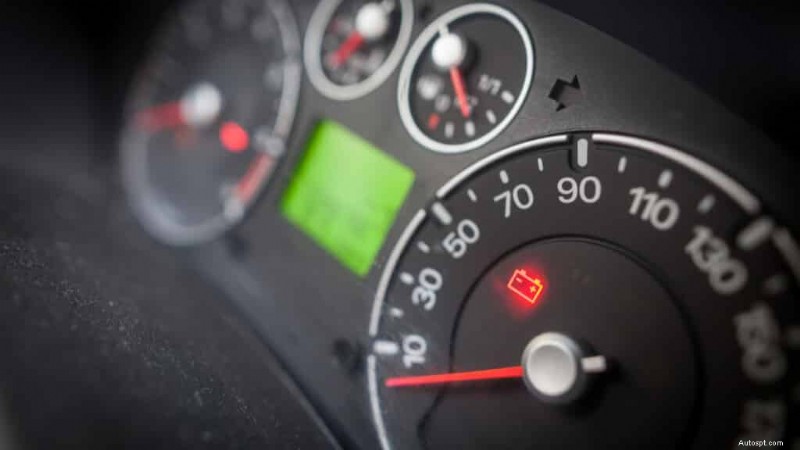
If your car’s alternator is overcharging, you will most likely see a battery light on your dashboard. You may also notice a check engine light in many cases.
Today’s modern vehicles are equipped with an OBD-II system that tells you when something is wrong. The car’s computer sets a code that can be read with a compatible scanner. With the alternator overcharging the battery, you will probably see a charging system code. In most cases, it will be P2504 – Charging System Voltage High.
Yet, you can’t simply replace the alternator, expecting that is the problem. This code can also mean trouble with the voltage regulator, battery corrosion or just an electrical short. For that reason, we always recommend researching the DTC in our free trouble code library. We offer helpful steps for troubleshooting the most common diagnostic codes.
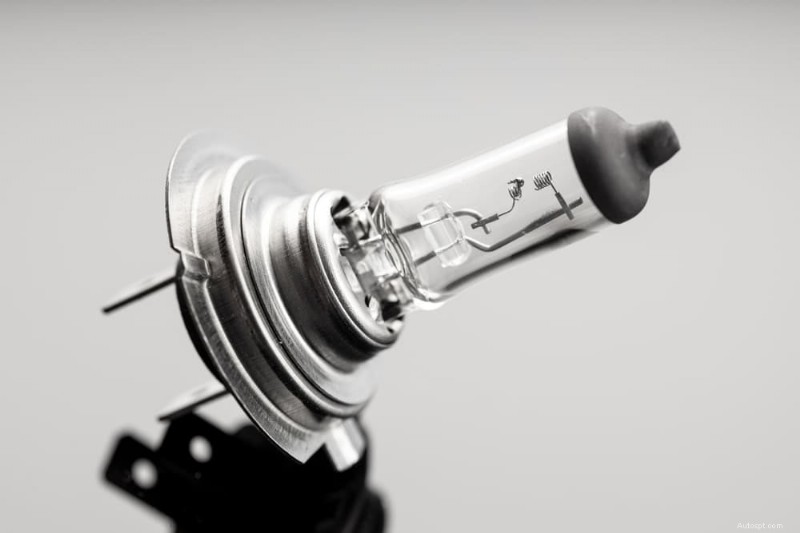
Because of how much wear is being put on the bulbs, they could wear out sooner than normal. In the case of headlights, the average bulbs have a differing lifespan based on what type they are.
If you are replacing bulbs more frequently, you want to get to the bottom of what’s going on. There’s no reason to spend extra money on parts that aren’t needed.
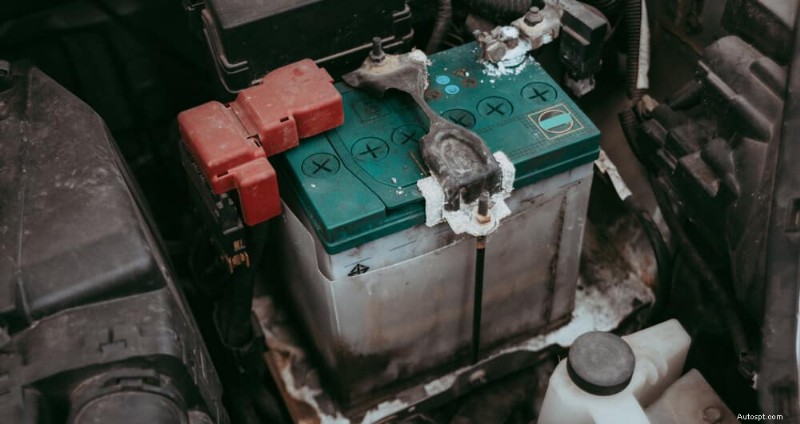
Within the car battery, there’s a special electrolyte solution that’s needed to complete a chemical reaction. If this solution becomes too hot from overcharging, it can cause defects to the battery case.
If you notice that the case is bulging on the sides, this is a common symptom of overcharging. You should never use a battery if the case is deformed.
That same electrolyte solution can produce an unusual smell if it’s been overcharged. Once the solution starts to boil over, you may smell what resembles sulfur or rotten eggs.
The smell is the result of the hydrogen sulfide gas being produced. The odor indicates that the battery is leaking and it’s no longer safe to use.
When the alternator isn’t operating as it should, there are going to be strange electrical occurrences happening with the car. You may notice that the stereo system acts differently or the heated seats seem unusually warm.
It’s also common to see the dashboard gauges jump around. These abnormalities occur because the gauges don’t know how to handle the excessive amount of voltage.
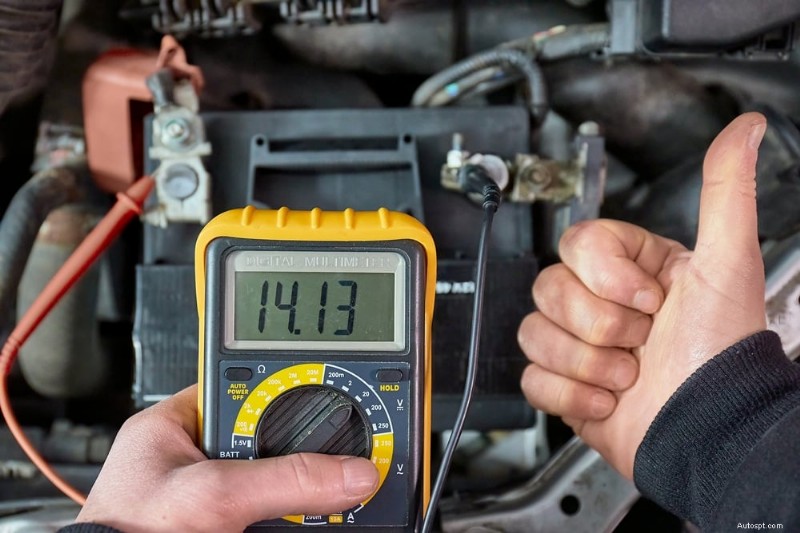
It’s surprisingly easy to test the car alternator, especially if you have a multimeter. However, if you don’t want to get involved in the diagnosis, most auto parts stores offer free alternator testing.
The car battery operates around 12.6 volts, while the alternator typically produces about 14.2 volts. With these figures in mind, you can quickly confirm if there’s a problem.
Here are some steps to follow.
Here’s what to do if you get any abnormal readings.
Ideally, the voltage remains at 13.5 to 14.5 with the engine running. This is the perfect amount of power to recharge the battery while providing support for other electronic equipment in the car.
In most cases, an overcharging alternator is caused by a faulty voltage regulator. This critical component controls how much voltage the alternator sends through the electrical system. When it fails, the alternator produces more voltage than needed, leading to electrical damage and battery issues.
The majority of voltage regulators are within the alternator itself. It’s put there by the manufacturer. Therefore, it’s not as simple as fixing the voltage regulator. Instead, you need to replace the alternator, which we are preparing to discuss next.
Because the voltage regulator is found within the alternator, your best bet is to replace the alternator. Some people like to tinker with the alternator and replace the voltage regulator, but this isn’t something the everyday person chooses to do. It’s not even going to save you a lot of money, but it will eat up a good portion of your time.
If you want to change the alternator yourself, here are some steps to follow.
If you want to retest the system with your multimeter, you can double-check that everything is working as it should.
If you don’t feel equipped to replace the alternator yourself, you can take your vehicle to a local repair shop. The average cost for alternator replacement is between $350 and $900, depending on the type of car you drive and local labor rates.
Keep in mind that you may lose the presets in your car. You’ll probably need to reset the clock, stereo and other settings after the replacement is complete.
Are 15 volts too high for an alternator?
In most cases, 15 volts is too high, but you need to check your service manual to be sure. Some manufacturers, especially European, install equipment that uses a lot of power. Daytime running lights draw more power, so the voltage regulator may be set higher to compensate for these features.
How do I fix my car from overcharging?
If there’s a problem with the voltage regulator, you want to replace the alternator. Voltage regulators are typically found in the alternator, and there’s no sense fixing it. If you aren’t sure how to replace the alternator, take your car to a shop. Alternator replacement typically costs $350 to $900 for parts and labor.
Is it bad to drive with an overcharging alternator?
We never recommend driving your car while it’s overcharging. The electrolytes in the battery can boil over and cause damage. You can also allow harm to the sensitive electronics and the bulbs could fail from the excessive voltage. Instead, you should replace the alternator before it leads to any significant trouble.
What should an alternator charge at idle?
Even with the engine idling, the alternator should still create a minimum of 13.5 volts. If it drops lower than that, the alternator may be failing. Any higher and there could be an overcharging situation. Either way, you would need to replace the alternator before you run into bigger problems.
Can a bad ground cause an alternator not to charge?
A bad ground isn’t usually going to lead to more voltage. Even if it was creating an excessive amount of voltage, the regulator should keep it in check. Normally, the bad ground will cause problems getting enough voltage, leading to a dead car battery.
Alternator issues are never fun to deal with, especially if you aren’t experienced with the car’s charging system. Yet, if you have a multimeter, most of the issues can be diagnosed fairly quickly. You don’t need to be a certified mechanic to diagnose what’s wrong.
Still, you want to use caution. Remember that whenever you work with the battery and alternator, you are dealing with power systems. It’s advisable to take extra precautions and avoid touching any battery acid with your bare skin. It’s highly corrosive and could cause trouble. If you feel uncomfortable at any time, ask a local mechanic for more help.
