
When it comes to the safety of your car, there are a lot of components that you need to keep an eye on. One of those components is the brake pads. If your brake pads are too thin, they can’t do their job properly, and you could end up in a serious accident.
Brake pads are one of the essential components of your automobile’s braking system. They must be thick enough to stop your car adequately while not being too thick; else, they will cause issues.
The minimum brake pad thickness is usually ⅛ inch, although this may vary depending on the make and model of your car. Make sure you consult your owner’s manual or seek assistance from a professional mechanic to determine what the minimum thickness required for your vehicle is.
In this blog post, we will talk about the minimum brake pad thickness and what you should be aiming for in 2022!
Brake pads are the part of your brakes that make contact with your brake rotors to stop your car. Over time, brake pads will wear down and need to be replaced. When this happens, you’ll notice a decrease in your brakes’ performance.
Your brake pedal may feel softer than usual or take longer to stop your car. You may also hear a squealing noise when you apply your brakes. If you experience any of these problems, it’s time to replace your brake pads.
Brake pads are typically made of metal, ceramic, or composite materials. Metal brake pads are the most affordable option, but they’re also the least durable.
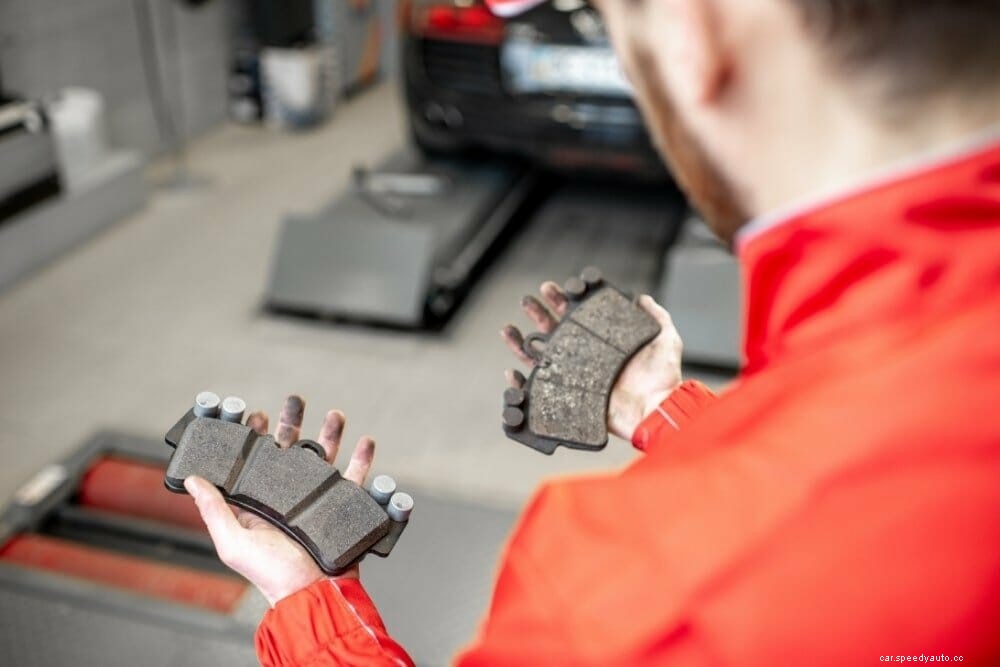
Ceramic brake pads are more expensive, but they last longer and provide better braking performance. Composite brake pads fall somewhere in between, offering a balance of price and performance.
When shopping for brake pads, you’ll need to know the make, model, and year of your car. You’ll also need to know the size of your brake rotors. With this information, you can find the right brake pads for your car.
Be sure to ask a professional if you’re unsure which brake pads are right for your vehicle.
When you press on your car’s brake pedal, hydraulic fluid is sent from the master cylinder to the calipers. The calipers then squeeze the brake pads against the rotors, creating friction that slows down your car.
As your brake pads wear down, they become less effective at slowing down your car. This is why it’s important to replace them when they start to wear out.
Brake pads are just one of many parts that make up your brakes. Other important parts include your brake rotors, brake lines, and brake fluid. If any of these parts are damaged or worn out, your brakes may not work properly.
That’s why it’s important to have all of your brakes components inspected regularly by a professional mechanic.
When it comes to brake pads, you usually get what you pay for. The more expensive ceramic and composite brake pads will last longer than the cheaper metal ones. However, all brake pads will eventually need to be replaced.
How often you’ll need to replace your brake pads depends on how much you drive and how hard you use your brakes. If you do a lot of city driving or stop-and-go traffic, your brake pads will wear out faster than if you do mostly highway driving.
The best way to know when your brake pads need to be replaced is to have them inspected regularly by a professional mechanic. They can measure the thickness of your brake pads and tell you when they need to be replaced.
You can measure the thickness of your brake pads with a micrometer. First, remove the wheel and tire from your car. Then, use the micrometer to measure the thickness of the pad at its thinnest point.
The minimum thickness of your brake pads will be stamped on the back of the pad. This is the thickness you should aim for when replacing your brake pads.
If you don’t have a micrometer, you can also measure the thickness of your brake pads with a ruler. Just remove the wheel and tire from your car and measure the pad at its thinnest point. Again, the minimum thickness of your brake pads will be stamped on the back of the pad.
It’s important to check your brake pads regularly to make sure they’re not too thin. If they are, you’ll need to replace them before you can use your brakes again.
The minimum brake pad thickness is the thinnest point that your brake pads can be before they need to be replaced. Brake pads typically have a wear indicator that will make a squealing noise when the pads are too thin.
Brake pads should be replaced when they reach the minimum thickness to ensure that your brakes are working properly. Failing to do so could result in an accident.
The recommended minimum brake pad thickness for most cars is about ⅛ inch. However, this can vary depending on the make and model of your car. Be sure to check your owner’s manual or ask a professional mechanic to find out what the minimum thickness is for your specific vehicle.
If your brake pads are wearing thin or if you hear a squealing noise when you apply the brakes, it’s time to replace the brake pads. Replacing brake pads is a relatively easy task that you can do yourself with a few tools.
Bad brake pads can damage your rotors in several ways. First, if the pads are worn down too far, they can score the surface of the rotor. This scoring can cause a vibration when you apply the brakes.
Second, if the pads are made of soft material, they can glaze over from the heat of braking. This glazing can also cause a vibration.
Finally, if the pads are misaligned, they can rub on the rotor unevenly and cause a vibration. In general, it’s best to replace your brake pads before they get too worn down or before they start causing problems.
There are a few things you can do to extend the life of your brake pads. First, make sure they are properly aligned. If they aren’t, they will wear down unevenly and need to be replaced sooner.
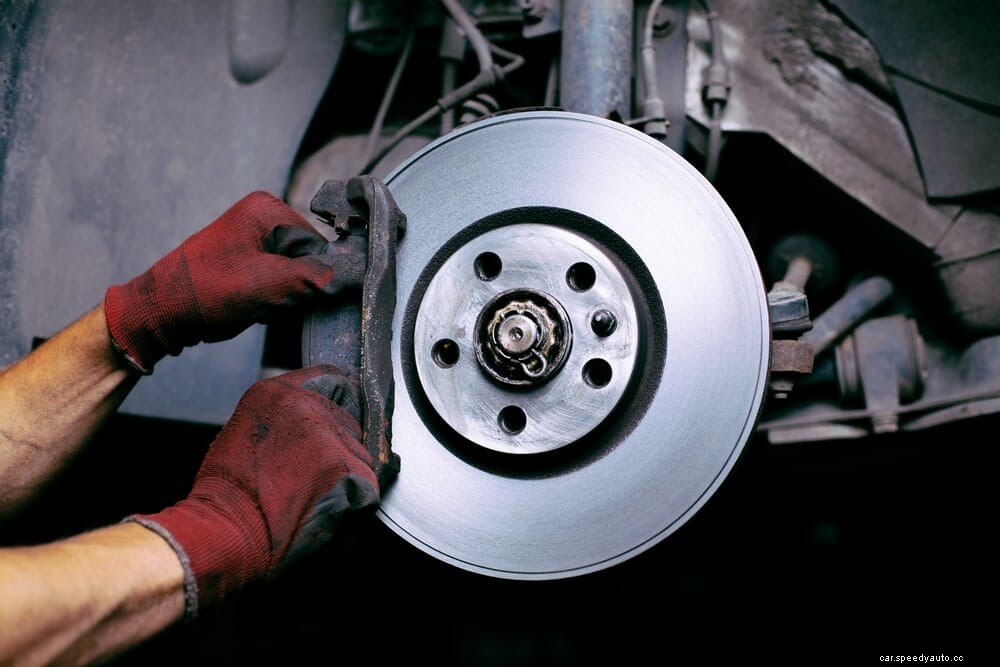
Second, don’t wait too long to replace them when they start to wear out. The longer you wait, the more damage you’re doing to your rotors.
Third, avoid hard braking whenever possible. This type of braking puts a lot of stress on the pads and can cause them to wear down more quickly. If you must brake hard, do it slowly so that the pads have time to cool down between stops.
Fourth, use high-quality pads that are designed for your specific vehicle. Cheap pads may save you money in the short run, but they will wear out quickly and end up costing you more in the long run.
Follow these tips, and you should be able to get a lot of miles out of your brake pads. But if you do need to replace them, don’t hesitate to do so. Your safety is worth the cost of new pads!
While you can drive with bad brake pads, it is not recommended. Driving with bad brake pads can cause damage to your brakes and eventually lead to brake failure. If you must drive with bad brake pads, be sure to go slowly and avoid braking whenever possible.
Most brake pads will need to be replaced at some point. However, how often they need to be replaced depends on the type of vehicle you have and how often you use your brakes. In general, it is a good idea to check your brake pads every few months to see if they need to be replaced.
If you notice that your brake pads are wearing down faster than usual, or if you hear a squealing noise when you press the brakes, it is time to replace them.
Brake pads typically last for about 30,000 miles. However, this can vary depending on the type of vehicle you have and how you use your brakes. For example, if you drive a lot in stop-and-go traffic, you may need to replace your brake pads more often.
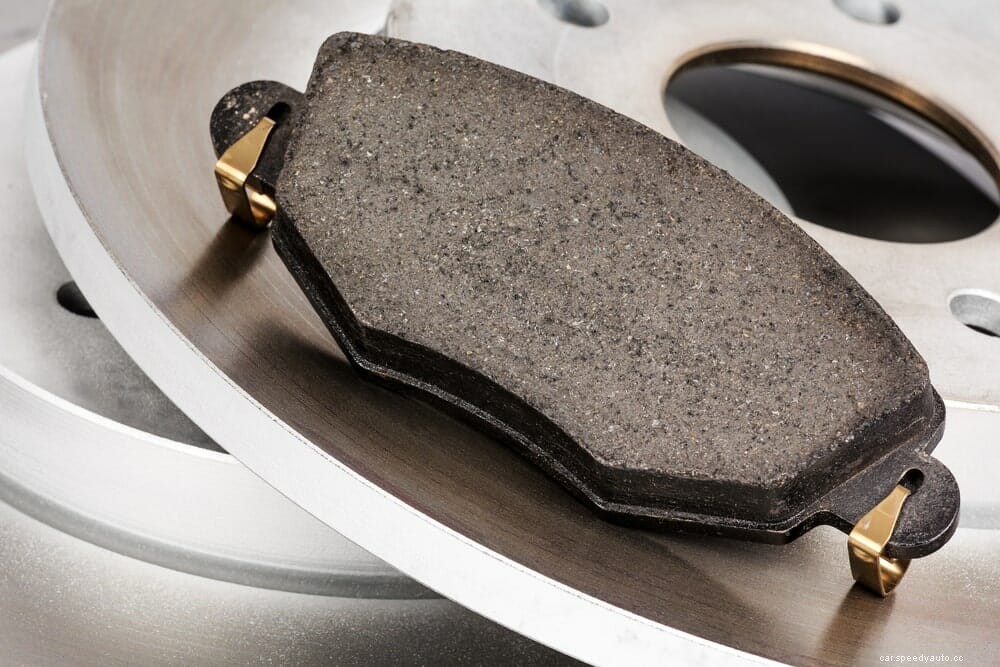
The cost of replacing brake pads varies depending on the type of vehicle you have and the quality of the brake pads. In general, you can expect to pay between $50 and $200 for a complete set of brake pads.
If you need to have your brakes repaired, it is important to take your time and find a qualified mechanic that you trust. Taking your car to a qualified mechanic will ensure that the job is done right and will help you avoid expensive mistakes.
Aftermarket brake pads can improve braking, but it depends on the quality of the brake pads. Some aftermarket brake pads are made with cheaper materials that may not last as long as OEM brake pads.
It is important to do your research when choosing aftermarket brake pads. Be sure to read reviews and compare prices before making your final decision.
Ceramic brake pads can be used on regular rotors. If you are looking for a brake pad that will last longer, consider getting ceramic brake pads, as they typically last for about 40,000 miles.
You may need to replace your rotors when you replace your brake pads. However, this depends on the condition of your rotors. If your rotors are in good condition, you may be able to reuse them.
If your rotors are rusty, worn down, or damaged, you’ll need to replace them. Replacing your rot rotor s can be pricey, so it’s essential to take your time and choose a professional mechanic that you trust.
With time and care, choosing someone with expertise is an excellent approach to protect yourself from becoming the next collision victim.
Aftermarket rotors can be better than OEM, but it depends on the quality of the rotors. Some aftermarket rotors are made with cheaper materials that may not last as long as OEM rotors.
It is important to do your research when choosing aftermarket rotors. Be sure to read reviews and compare prices before making your final decision.
Brake pads are an important part of your car’s brakes. They need to be thick enough to properly stop your car, but they also can’t be too thick, or they’ll cause problems. The minimum brake pad thickness is typically ⅛ inch, but it can vary depending on the make and model of your car.
Be sure to check your owner’s manual or ask a professional mechanic to find out what the minimum thickness is for your specific vehicle.
Regularly inspecting and replacing your brake pads is essential for keeping your car safe. If you have any questions about brake pads or other brake components, be sure to ask a professional mechanic. They will be able to help you find the right parts for your car and make sure that they’re installed correctly.
