
Gas stations are a staple in American culture. They can be found on every street corner, and most of us have stopped at one at least once in our lives. But how often do gas stations refill their underground tanks?
Most people don’t realize that gas stations have underground tanks that need to be refilled regularly. By doing so, gas stations can avoid any potential disasters.
Gas stations will refill their tanks every few days, weekly, or even monthly, depending on several factors like the size of the tank, the demand for fuel, the supply for fuel, and the amount of fuel that’s stored in it, among other factors.
Additionally, gas stations will only refill their tanks if they have enough fuel to do so. If they’re running low on fuel, they’ll order more from their supplier.
Gas stations have underground tanks for a few reasons. For one, it’s cheaper to store fuel underground than it is to store it in aboveground tanks. Additionally, having the tanks underground helps keep the fuel from being exposed to the elements.
This is important because if the fuel were to be exposed to the elements, it could start to evaporate. And if too much fuel evaporates, it can create a dangerous situation.
Gas stations typically order fuel every few days, so they can refill their tanks. However, this varies depending on the size of the tank and how much fuel is stored in it. Gas stations will only order more fuel if they’re running low on supply.
Gasoline is a petroleum-based fuel that is used in motor vehicles. It is made up of hydrocarbons, which are organic compounds that contain only hydrogen and carbon atoms. The hydrocarbons in gasoline are divided into three categories:
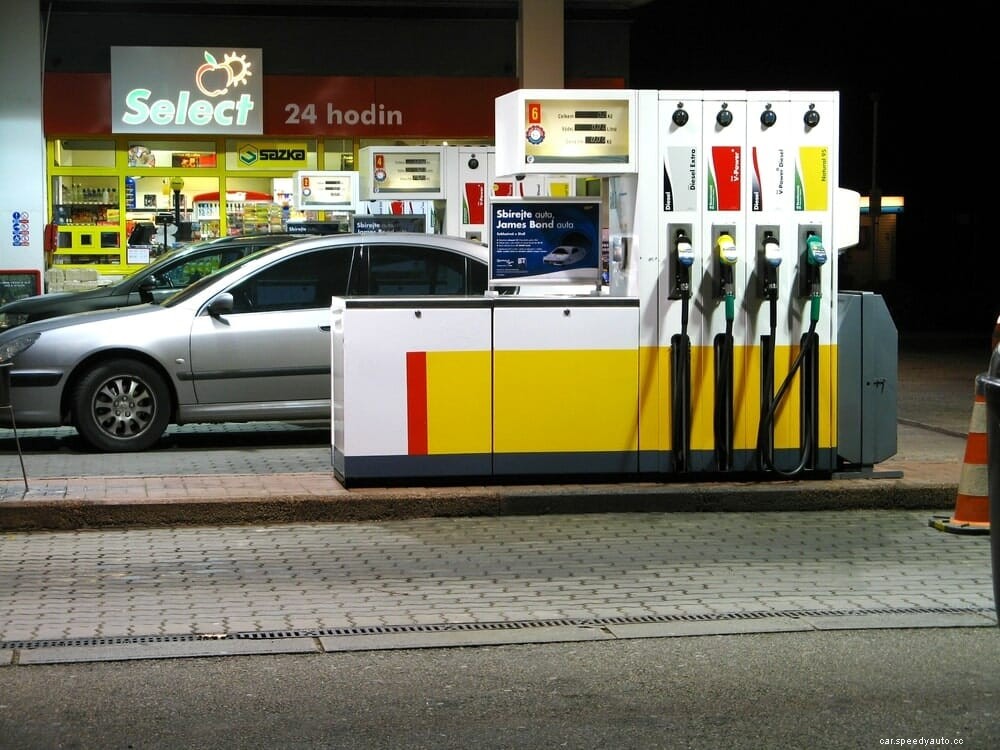
The refining process begins with the extraction of crude oil from the ground. Crude oil is a mixture of hydrocarbons that are found in underground reservoirs. The crude oil is then transported to a refinery, where it is separated into its individual components.
The following are steps in the refining process:
Removing the large, non-hydrocarbon molecules, such as sulfur and nitrogen. This is accomplished by using a fractional distillation column.
The vaporized crude oil is heated until the lighter molecules are vaporized and rise to the top of the column. The heavier molecules fall to the bottom.
It involves the removal of the aromatics, which are hydrocarbons that contain a benzene ring. This is accomplished by using a catalytic reformer.
The vaporized crude oil is passed over a catalyst, which causes the aromatics to break down into smaller molecules.
The final process involves the removal of the olefins, which are hydrocarbons that contain one or more double bonds. This is accomplished by using a hydrocracker.
The vaporized crude oil is passed over a catalyst, which causes the olefins to break down into smaller molecules.
This depends on a variety of factors including:
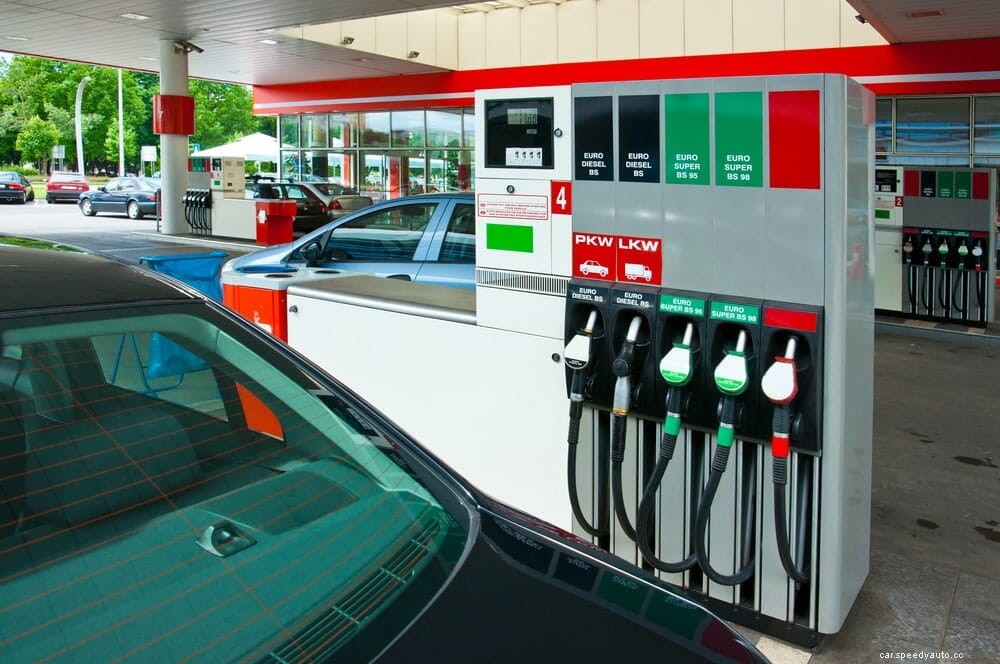
The closer the refinery is to the gas station, the cheaper it will be for the gas station to buy gasoline. This is because they do not have to pay as much for shipping and transportation costs.
There are different types of refinery-based gasoline, each with its own unique properties. Some are better suited for certain climates and driving conditions than others.
The price of oil is a major factor in the price of gasoline. When the price of oil goes up, the price of gasoline tends to go up as well.
Each state has its own set of taxes on gasoline. These taxes vary in amount and can have a significant impact on the price of gasoline.
Gas stations make a profit from the sale of gasoline. This profit margin can vary depending on the price of gasoline and the cost of doing business in that particular area.
However, most gas stations refill their underground tanks at least every few weeks, if not more often. This helps ensure that drivers have a reliable source of fuel and that the station can continue to operate smoothly.
Additionally, using a local refinery’s base gasoline can sometimes lead to lower gas prices for drivers. By contrast, if a station imports its gasoline from elsewhere, it may be more expensive.
This is due to the fact that transporting fuel over long distances can be costly.
Because America’s fuel demand is always increasing, it makes a wonderful small business investment to purchase a gas station. Our economy is entirely reliant on gasoline.
Trucks are required for the transport of goods and people must travel to work. The gas station is never going to go out of demand. But, before you invest in this business, there are a few things you should know.
It’s also important to consider the location of the gas station. Ideally, you’ll want to find a spot that sees a lot of traffic. You’ll also want to make sure the gas station is in a safe neighborhood.
One thing you should be aware of is how often the gas station refills its underground tanks. Some stations only refill their tanks every few weeks, while others refill them every day. It’s important to know this information so you can budget accordingly.
Cumberland Farms is a gas station chain with stores located in the eastern and southern United States. The company sells both regular gasoline and diesel fuel. Cumberland Farms does not sell propane or natural gas.
It is not clear how often Cumberland Farms refills its underground tanks. Cumberland Farms also offers a rewards program that allows customers to earn points for each gallon of gas they purchase.
These points can be redeemed for discounts on future gas purchases. Customers can also save money by using Cumberland Farms’ fuel rewards card. The card allows customers to save five cents per gallon on their purchase of gasoline, diesel fuel, or propane.
Buc-ees does store propane tanks on-site, but they do not refill them. This is because they are a convenience store and not a full-service gas station.
If you need to refill your propane tank, you will have to go to a full-service gas station like Shell or Chevron. These stations have their own dedicated refilling areas for propane tanks.
Gas station tanks are an important part of a gas station. They store the fuel that is used to power the pumps. Most people don’t think about them, but they are an essential part of the gas station.
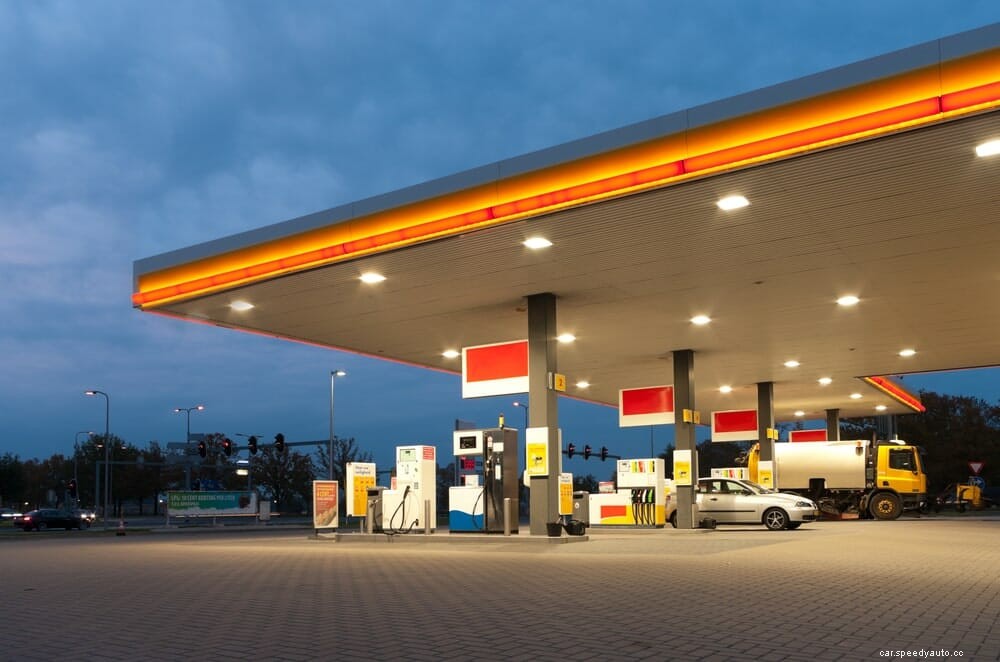
There are two types of gas station tanks:
Above-ground tanks are easier to refill, but they are also more susceptible to damage. Underground tanks are harder to refill, but they are also less susceptible to damage.
Most gas stations use underground tanks. The reason for this is that underground tanks are less likely to spill than above-ground tanks. They are also harder for people to steal fuel from.
Gas stations could refill their tanks every few days, weekly, or even monthly, depending on several factors, and it still wouldn’t be enough. However, this varies depending on the size of the tank and the amount of fuel that’s stored in it.
Additionally, gas stations will only refill their tanks if they have enough fuel to do so. If they’re running low on fuel, they’ll order more from their supplier. This means that the refill schedule can also depend on how often the supplier delivers fuel to the gas station.
So, while it’s difficult to say exactly how often a gas station will refill its tanks, it’s safe to say that it won’t be as often as you might think.
This is especially true for smaller gas stations, which may only order new fuel every few weeks or months. Larger gas stations, on the other hand, may order new fuel every day or even multiple times per day.
