
School buses are a great way to get around with school kids, but how many miles per gallon does a school bus get? That depends on the size of the bus and how heavy it is loaded.
The smaller school buses usually get about eight miles per gallon, while the larger ones can get up to twelve or thirteen. When a bus is fully loaded with students and all their gear, its fuel economy goes down, so it’s important for schools to keep track of how much they’re using.
The average diesel school bus gets 6 to 10 miles per gallon, with smaller buses getting 10-12 MPG, Mid-Size buses getting 6-10 MPG and Full-Size buses getting 9-10 MPG. As your vehicle ages, it loses its fuel efficiency and becomes more difficult to drive.
Buses have grown increasingly popular over the years as they offer a cheap alternative to automobile ownership while still being environmentally friendly.
They also help us save money by offering alternatives like door-to-door service or airport shuttle services that we could not otherwise obtain due to their limited availability.
Whereas semis average about 6.5 miles per gallon, school buses get around 10 miles per gallon. This tends to change depending on the weight of the bus and the type of fuel being used, but it’s a good estimate.
For a bus using diesel fuel, the mileage will be about a mile less. For this reason, many school districts are making the switch to propane-fueled buses, which get about 12 miles per gallon.
On average, a school bus will survive 12 to 15 years and travel 250,000 miles. This was, however, a typical school bus that has run under regular usage conditions. Factors such as the age and condition of the bus, how often it’s driven, and where it travels will affect its lifespan.
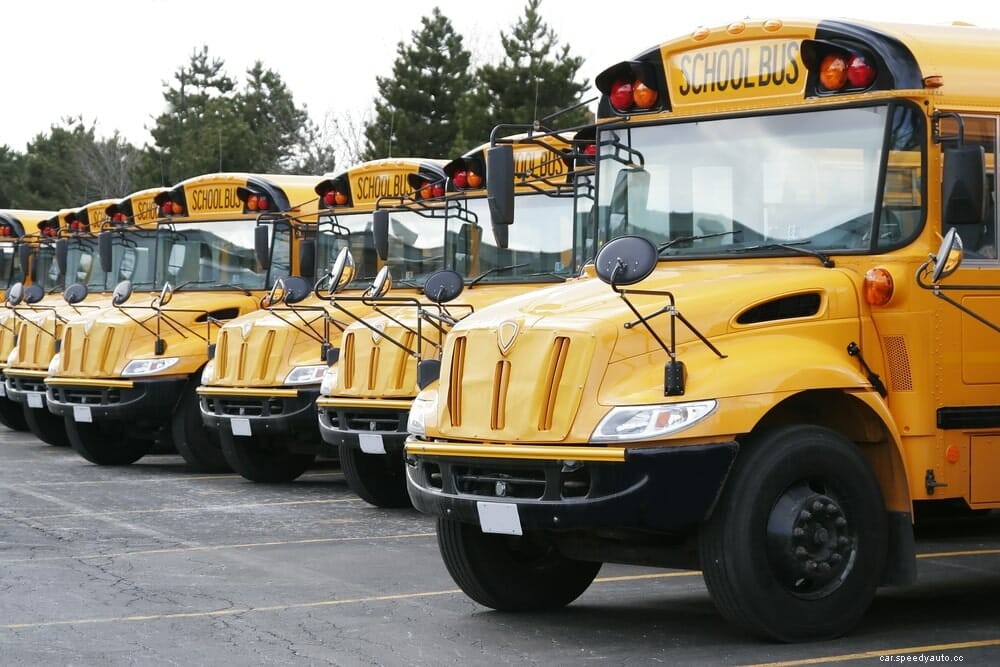
Each bus is different, so it’s important to consult your specific bus manufacturer for their recommendations on maintenance intervals and preventive measures.
In general, however, you can expect to have a number of things done to your bus on a regular basis in order to keep it running smoothly:
If you’re looking to get even more life out of your school bus, consider doing some or all of the following:
250,000 miles is the estimated lifespan of a school bus. It’s generally around this mileage mark that a school bus is retired and replaced with a newer one. However, this number will vary depending on the make and model of the bus, as well as how often it’s driven and maintained.
School buses should be serviced every 12,000 miles. This includes an oil change, a check of all the fluid levels, a tune-up, and a general inspection.
It’s important to keep your bus in good condition so that it runs efficiently and doesn’t break down on you.
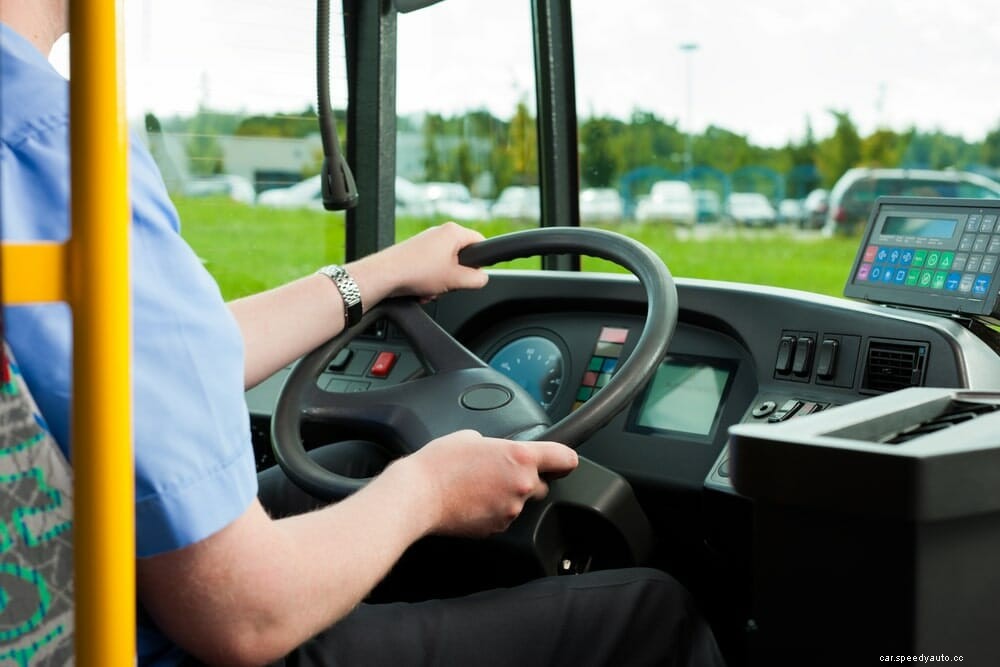
It’s true that the 5.9 and 8.3 liter Cummins engines in most school buses deliver exceptional mileage for a vehicle of its kind. However, the Blue Bird All American and Vision school buses with their Cummins ISB engines boast the best fuel economy at 22.04 and 21.68 MPG respectively.
So, if you’re looking for a school bus that gets great gas mileage, go with a Blue Bird. The actual mileage may vary depending on the make and model of the bus, as well as how it’s driven.
For example, a typical small school bus gets around six miles per gallon. A larger bus might get around four or five miles per gallon. And a special needs bus might only get two or three miles per gallon.
A school bus gasoline tank is generally between 40 and 100 gallons, depending on the type of Skoolie you are driving and what sort of fuel you are using, but it also depends on the type.
There are a lot of variables that go into calculating fuel economy for a bus. Things like the type of engine, the weight of the passengers and cargo, as well as wind resistance all play a role in how efficient a bus is.
Miles per gallon (mpg) is a unit of measurement for the fuel efficiency of a vehicle. The higher the mpg rating, the more efficient the vehicle is in using gasoline or diesel fuel.
The mileage can be calculated by dividing the total distance traveled by the amount of fuel used. For example, if a bus has traveled 1000 miles and used 20 gallons of fuel, then the bus has an mpg rating of 50 (1000/20=50).
This calculation is important for consumers when choosing a new car to buy, as well as for fleet managers when deciding which vehicles to purchase for their business.
A typical school bus gets between three and six miles per gallon. This number will vary depending on the model of the bus, the age of the vehicle, and how heavily it’s been used.\
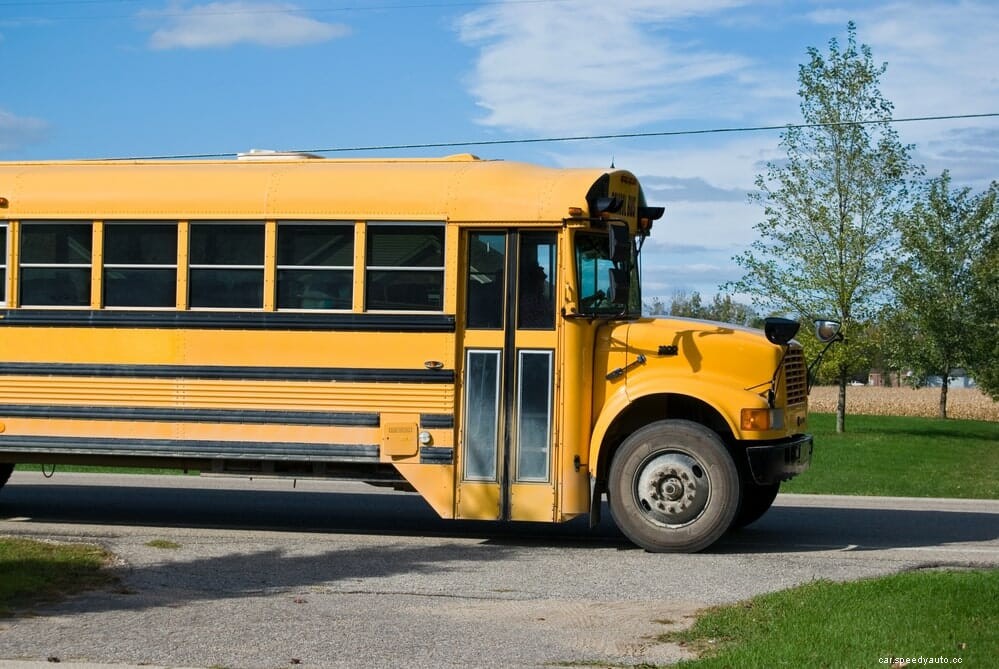
Newer buses tend to be more fuel-efficient than older ones, and buses that are driven in urban areas will use less gas than those that are used for long-distance trips.
So how long can a school bus go on one tank of gas? That depends on the size of the tank and the driving distance. Most school buses have tanks that hold between 40 and 60 gallons, so they can usually travel for 200 to 300 miles before needing to refuel.
However, if your bus has a smaller tank, it will need to refuel more often; if it has a larger tank, it can go further between fill-ups.
School buses get around ten miles per gallon, whereas semis average around six point five miles per gallon. This tends to change depending on the weight of the bus and the type of fuel being used, but it’s a good estimate.
One reason for this is that school buses are larger and heavier than other vehicles. They also have to stop more often, which uses up more gas. The engines of school buses also tend to be less efficient than those in other vehicles.
Buses also tend to be driven more slowly than other vehicles, which further decreases the gas mileage.
There are a few ways that we can improve the mileage of a school bus. We can start by looking at:
There are many different types of fuels available for buses, but some are more efficient than others.
There are many techniques that drivers can use to save fuel and improve the mileage of their buses.
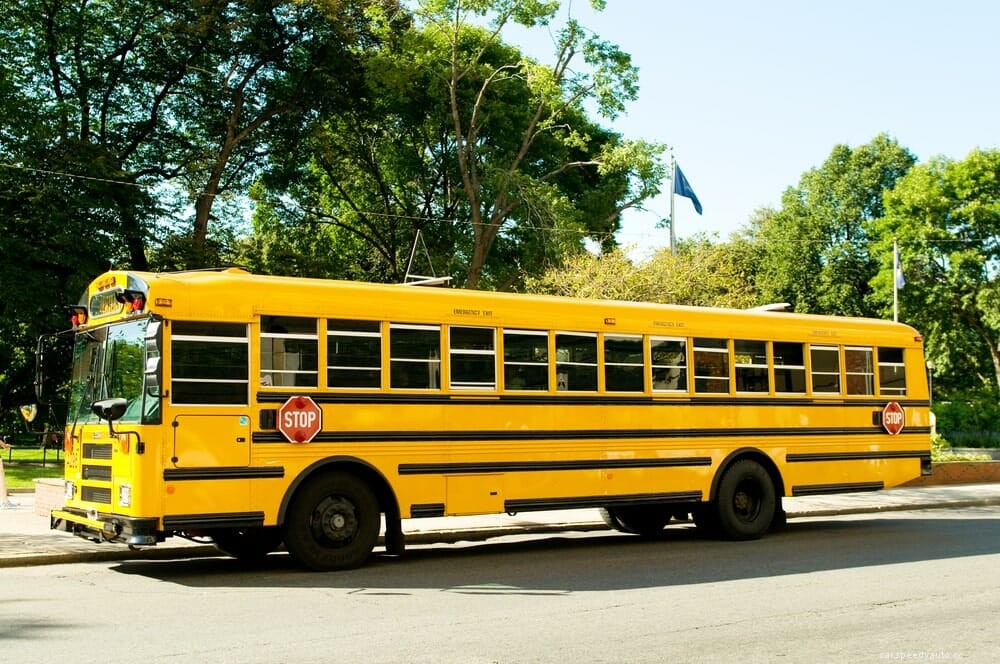
A smaller and lighter bus will be more efficient than a larger and heavier bus. By making these changes, we can improve the mileage of a school bus by up to 20%.
Installing technology that improves fuel efficiency, such as idle-stop systems or fuel injection pumps
Make sure the bus is properly maintained and has good tires inflated to the correct pressure
Reducing weight by removing unnecessary items from the bus, and ensuring that the bus driver is following the most efficient driving routes.
School buses are a main mode of transportation for children to get to and from school. However, many people don’t know how efficient they are. School buses can achieve up to 12 miles per gallon, which is great for reducing our fossil fuels usage.
Not only do school buses help the environment, but they also save money. The average cost of a gallon of gasoline is $0.15 more than the cost of diesel fuel. So, by using a bus instead of individual cars, schools can save money on transportation costs.
