
Brake-related issues are the worst problem to have with a vehicle by a long margin. Other issues cause inconvenience, leave you stranded on the road, and can lead to expensive repairs, but when brakes start to fail, the only thing to worry about is your safety.
When the brake pedal goes to the floor it means there’s no hydraulic pressure applied through calipers on the discs, resulting in poor brake response or a complete lack of braking power. There are several reasons why it can happen, and in this article, we’ll explore all the possibilities.
To get an idea as to why your brake pedal goes to the floor, we should first discuss how the brake system works.
When you press the brake pedal, you’re creating mechanical pressure that is converted into hydraulic pressure by the master cylinder. Like a syringe, the master cylinder pushes the brake fluid towards the brakes.
Wheels and brake discs are mounted in pairs on axles, with a brake caliper positioned over each disc rotor. The main components of a brake caliper are the piston and two brake pads. The hydraulic pressure made by the brake fluid forces the piston to move, which in turn pushes the inner brake pad, and then pulls the outer brake pad towards the disc rotor.
The pair of brake pads will clamp the disc rotor, and force it to decelerate through friction. This causes the wheels to decelerate at the same rate and slows the vehicle down.
The brake system is designed to be very durable, as it’s the most important component in the entire vehicle. However, just like any other part, it requires regular service and replacement parts to ensure it operates at full capacity. Now that we know how brakes work, we can discuss why the brake pedal goes to the floor when the engine is running.
The brakes operate in a sealed hydraulic system, which means that the amount of brake fluid after service should remain the same until it’s time to replace it again. However, if there’s a leak in the system, your brakes will lose pressure over time.
The first symptom is the fading of the brake pedal and the brake warning light turning on. With the engine running, slowly press the brake pedal down. If there’s little to no resistance in the first part of the movement, it means that there’s not enough brake fluid to push around the system.
Lift the hood and locate the master cylinder and the brake fluid reservoir. It looks like a small plastic bottle with a metal pipe underneath it and usually has some markings to help you identify it. On the side of the container, there are two horizontal lines – the top one for maximum, and the bottom one for the minimum amount of brake fluid.
There are two courses of action, depending on the amount of fluid missing:
The first scenario can happen for several reasons, and in most cases simply topping up the reservoir is enough to solve the problem. Keep an eye on the fluid levels, and if it starts to drop again, you should look for the problem instead of adding more fluid.
Rubber hoses and metal pipes leading the hydraulic fluid to the brake calipers can wear out over time. To inspect them, put on a pair of gloves, take a flashlight and get underneath the vehicle when it’s dry.
Run your hand across the brake lines and see if there’s oily residue on your gloves. Look for cracks in the rubber or rust on the metal – even if they’re not causing problems now, it’s better to replace them as a precaution.
In case the brake caliper or piston fails, it will quickly drain the system, resulting in a wet tire or rim. Go around the vehicle and inspect the wheels from front and back – the signs will be easy to spot due to the amount of fluid leaked.
Healthy levels of brake fluid imply that the problem is caused by a mechanical failure. There are three most probable causes for the issue: master cylinder, brake booster, and brake pads.
The master cylinder seals play an important role in creating hydraulic pressure. When they wear out, brake fluid will leak in areas it’s not supposed to, and cause the brake pedal to feel unresponsive or fall to the floor.
Cars used to have one master cylinder in charge of all four wheels, but modern cars include a pair, each operating one set of wheels. This acts as a failsafe and prevents a total loss of brakes.
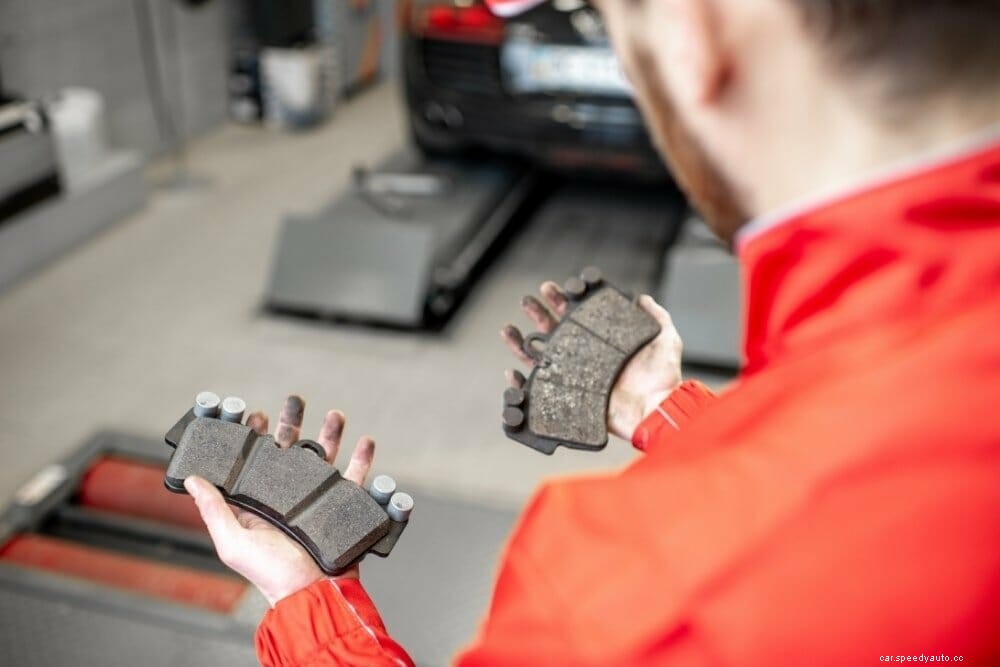
When the brake pedal needs to travel further before the car starts braking, but the fluid levels are normal, your brake pads might be the culprit. Any form of friction will cause the two objects in contact to wear out. Brake pads are made out of high-grip material and are softer than the disc rotor.
They’re also cheaper to make and easier to replace, so it makes sense for brake pads to take the brunt of friction damage. As they wear out, they’ll become thinner, so the brake piston has to travel further to achieve the same degree of contact. This is why the brake pedal may feel unresponsive in the first part of travel.
The brake booster is located between the brake pedal and the master cylinder. As the name implies, it boosts the force sent by the brake pedal to the master cylinder. Brake boosters can be found on power-assisted braking systems, while those without are called manual brake systems.
The symptoms of a bad brake booster present themselves in several ways: leaking brake fluid, increased brake pedal travel, stiffer brake pedal, hissing noise, and warning lights.
Most brake issues require you to bleed the system, a process best performed by a mechanic. There are plenty of written and video guides on how to do it, but having done it myself multiple times, I still prefer to take my cars to a friend’s shop and let him handle it. It’s not an expensive task when you consider how important the brakes are, so leave it for a professional.
I can still teach you how to change brake pads and brake discs as they don’t require you to bleed the system. It’s a fairly simple job and can save you a lot of money on labor, that can be used to buy tools and expand your garage.
The steps to change the brake pads and discs have a lot of similarities, so I’ll include both in one guide. Aside from the tools listed in the table below, you’ll also need a 1-2 feet long piece of wire.
| Image | Title | Price | Buy |
|---|---|---|---|
 Top Top | BIG RED Torin Hydraulic Trolley Service/Floor Jack with Blow Mold Carrying Storage Case, 1.5 Ton (3,000 lb) Capacity, Red | Buy Now | |
 Top Top | BIG RED Torin Steel Jack Stands: 3 Ton (6,000 lb) Capacity, Red, 1 Pair | Buy Now | |
 Top Top | DEWALT Mechanics Tools Kit and Socket Set, 108-Piece | Buy Now | |
 Top Top | EPAuto 3/8-Inch Drive Click Torque Wrench (10-80 ft.-lb. / 13.6-108.5 Nm) | Buy Now | |
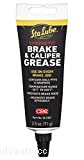
| Top | CRC Synthetic Brake & Caliper Grease, 2.5 Wt Oz | Buy Now | |
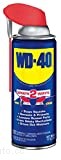 Top Top | WD-40 Multi-Use Product Spray with Smart Straw, 11 oz. (Pack of 1) | Buy Now | |
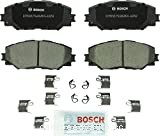 | Bosch QuietCast Premium Ceramic Disc Brake Pad Set For: Lexus HS250h; Pontiac Vibe; Scion xB, xD; Toyota Corolla, Matrix, Prius V, RAV4, Front | Buy Now | |
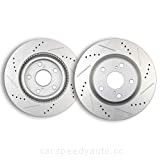 | Brake Rotor, Front Drilled Slotted Brake Discs Rotors Kit fit for Lexus ES300h ES350,for Pontiac Vibe,Scion tC,for Toyota Avalon Camry Matrix RAV4 | Buy Now |
These are the steps to get access to the brake pads and disc:
With the wheel and brake caliper out of the way, you can easily remove the pads and slide the brake disc off. Brake pads are very inexpensive so you might as well change them even if they can still last a few thousand miles. The disc is more expensive, so inspect it to see whether it needs a replacement.
To mount the parts (new or old) back on, follow these steps:
Problems with the master cylinder are characterized by a complete lack of brakes or poor and inconsistent braking. If the outer seals are broken, brake fluid will also leak.
The best course of action is to take the vehicle to a mechanic. If the fluid levels aren’t too low, you can refill the reservoir and see if the problem continues. Changing brake pads and discs is the only DIY job I would recommend.
Immediately stop applying any gas and try to pull over safely. Call a towing service and have your vehicle transported to a mechanic for inspection and repairs. You should never continue driving if you experience issues with the brakes. Not only are you risking injury to yourself and others, but you’re also guaranteed not to get insurance coverage due to negligence.
The average cost of master cylinder repair is around $500, but the price depends mostly on the type and model year of the vehicle. The cost of labor is more expensive than the part itself because bleeding is required to finish the job.
Brake pulsation is a sign that the brake disc has warped. When it’s warped, the brake disc will push back on the brake pad and cause the piston to retract. The force is sent back through the system and can be felt underneath the foot.
Problems involving the brake system are a cause for concern and require immediate attention. Check for leaks, and then see if there’s a problem with the master cylinder or the brake booster. You can do some DIY work like changing the brake pads and brake discs, but everything else should be done by a professional.
Get additional information on these related topics:
What Causes A Car To Jerk When Stopping With Brakes? A Comprehensive Guide
Noise When Braking At Low Speed: Causes and Fixes
What Does Service Brake Assist Mean?
