
The catalytic converter is an important part of the exhaust system responsible for reducing harmful emissions. It’s a passive system that relies on stable airflow and heat to push the particles through.
However, city drive and consistently low RPM, along with other factors contribute to soot and carbon buildup inside the converter. When the catalytic converter becomes too dirty, you’ll face a number of performance-related issues.
The best way to fix a catalytic converter is to remove it and clean it using basic household detergents. For slight carbon buildup, running the engine hot will be enough to clear the catalytic converter.
The undesirable side-effects of internal combustion engine operation are the harmful emissions expelled from the exhaust system. The catalytic converter uses a chemical reaction to reduce the number of harmful emissions and make the internal combustion engines greener.
The catalytic converter is positioned after the exhaust manifold to catch the particles when they’re the hottest. High-quality catalytic converters have a ceramic honeycomb inside a thick metal casing. Ceramic is coated in noble metals: rhodium, palladium, and platinum.
When exhaust fumes enter the catalytic converter, a chemical reaction is triggered. Noble metals act as catalysts and are unaffected by the chemical reaction, but the exhaust fume particles change molecularly. Nitrogen oxides and nitric acid are broken into nitrogen gas and oxygen, while carbon monoxide turns into carbon dioxide and water.
When the engine is healthy and cleanly burning petrol, your driving style and habits are the main reason why the catalytic converter got clogged.
It doesn’t mean you’re a bad driver – it’s that nobody told you how to properly maintain the catalytic converter. City driving, with frequent stops, idling, and short trips cause a lot of trouble for the catalytic converter because the temperature generated by the engine and exhaust fumes doesn’t get high enough for the chemical reactions to take place.
We’ve all been taught to maintain optimal RPM to keep the fuel economy low. However, what’s optimal for fuel economy may be too low for the catalytic converter, causing it to gradually clog over time. Keep this in mind as I’ll later explain how to adjust your driving habits to keep the converter in good condition.
Incomplete fuel burn can be caused by bad spark plugs or spark plug wires, worn cylinder walls, valve guides, stuck rings, and a number of other causes. Oil or antifreeze can also enter the exhaust system and quickly clog the catalytic converter.
I won’t bother you with all the details – the important thing to know is that anything other than exhaust fumes coming out of the engine will have a serious impact on the catalytic converter.
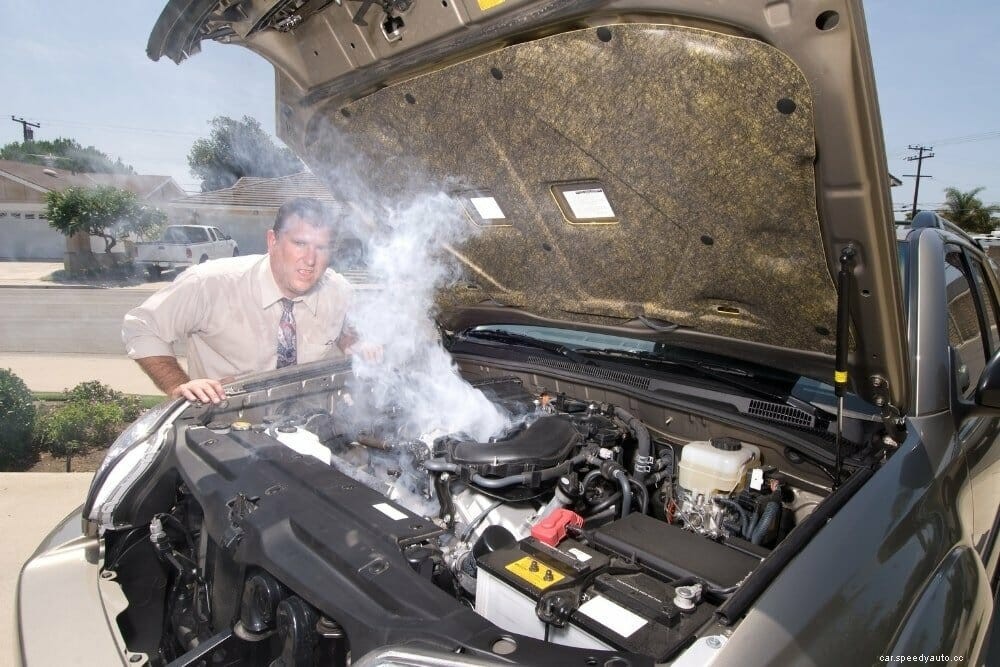
There are a few ways to tell if the catalytic converter has clogged beyond a functional level. The engine light will turn on, but sometimes the computer doesn’t know what the issue is, making the process of diagnosing the issue more challenging.
The car will feel lazy and unresponsive on the throttle, the turbocharger will not engage at the right time. The loss of power while driving is the worst scenario as it might trigger just as you start overtaking another vehicle. This has happened to me a few times, and trust me, you don’t want it to happen to you
In this section, we’ll discuss how to fix a catalytic converter that’s already showing signs of clogging. If there are any faults with the engine, they’ll have to be fixed to prevent the catalytic converter from clogging up again.
My experience with the problem has taught me that the best way of fixing the catalytic converter is to either clean or replace it. The task is quite easy, as all you need to do is gain access to the car’s underbody and unscrew a few bolts.
| Image | Title | Price | Buy |
|---|---|---|---|
 | NEIKO 03034A 3/8” Drive Extra Long Ratchet | 18” Length | 72 Tooth Gear | Cr-Mo Head | CR-V Steel | Buy Now | |
 | Performance Tool W1173 SAE/Metric 40-Piece SAE and Metric Socket Set, 1/4" & 3/8" Drive | Buy Now | |
 | Titan 17327 11-Piece SAE Raised Panel Combo Wrench Set | Buy Now | |
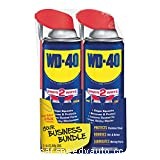 | WD-40 - 490224 Multi-Use Product with SMART STRAW SPRAYS 2 WAYS, 14.4 OZ [2-Pack] | Buy Now | |
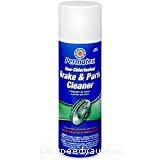 | Permatex 82220 Non-Chlorinated Brake and Parts Cleaner, 14.5 oz. Aerosol Can, Pack of 1 | Buy Now | |
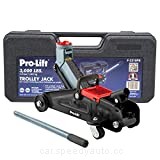 | Pro-LifT F-2315PE Grey Hydraulic Trolley Jack Car Lift with Blow Molded Case-3000 LBS Capacity | Buy Now | |
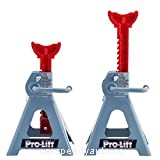 | Pro-LifT T-6903D Double Pin Jack Stand - 3 Ton, 1 Pack | Buy Now |
I suggest that you work on the catalytic converter over the weekend because the exhaust system needs to cool, and you need to let the bolts soak in WD-40 overnight.
With tools and preparation out of the way, let’s get into the steps of cleaning the catalytic converter:
Some people suggest using a pressure washer to clean the catalytic converter. I’m not entirely sold on this idea, as the honeycomb mesh is too thick and twisted for deep penetration. Also, there’s the added risk that the inside of the metal shell will rust.
Instead of brake cleaner, you can soak the catalytic converter in a household degreaser, or anything you have that might be effective for the job. However, having seen what the brake cleaner can do, I strongly suggest using it or finding a cheaper alternative like an engine cleaner.
Sometimes called “The Italian Tune-up” this method involves keeping the RPM in mid-high range for 10-30 minutes. Despite all the myths, high RPM doesn’t harm the engine in any way. It’s actually even healthy for the engine when compared to low RPM economical drive.
While high RPM is a great method of keeping the catalytic converter clean, it can’t always restore it as there’s too much carbon buildup. A catalytic clogged converter will put a lot of stress on the engine as the exhaust fumes aren’t expelled quickly enough. This can actually destroy the turbocharger, so even though I know this method works, it’s better to clean the catalytic converter first, then use this method to keep it clean.
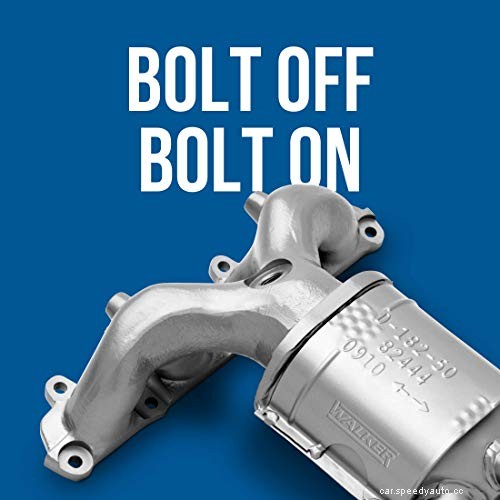
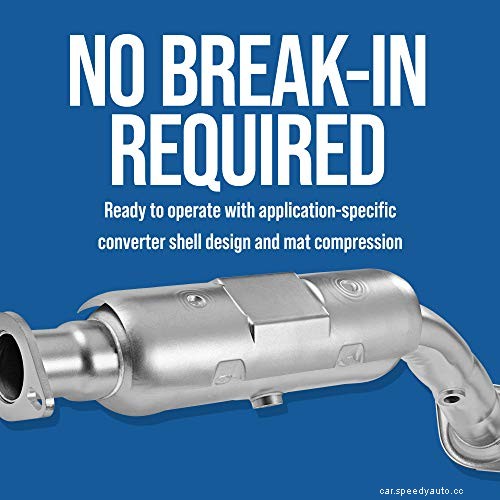
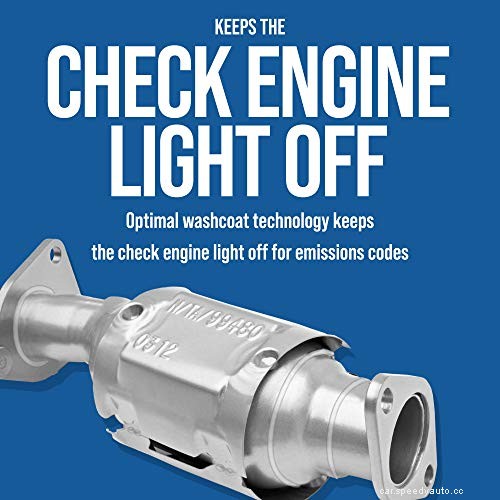
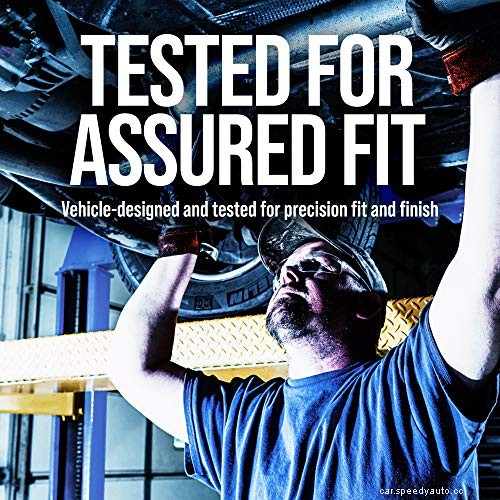
If the catalytic converter rattles, there’s no other option but to replace it. The steps will be the same as if you’re cleaning it, and all you need is a new catalytic converter. The prices of OEM replacements are very high, but there are some companies that make much cheaper alternatives. For example, Walker makes great converters that typically cost less than half the OEM price.
Keeping the catalytic converter healthy involves the most fun maintenance method. Take your car out on the highway, mountain roads, a loop or two at the local race track, or anywhere where you can really put your foot down.
You don’t have to (and you shouldn’t) break any speed limits – maintaining the converter is all about keeping the RPM high so that the engine is running hot. If you’re going on a weekend trip or commuting between two cities, keep the transmission from shifting gears and let the engine make some noise.
Tapping the catalytic converter with a rubber mallet may help loosen up the residue, but it can also break the ceramic honeycomb, which is why I didn’t add this method to my list of viable solutions.
If the catalytic converter is only partially clogged, you can continue driving indefinitely with minimal risk, provided that you still try to heat up the particles and get them filtered out. The more clogged it gets, the greater exhaust fume pressure is created, which can cause the turbocharger to fail.
Broken bits of the honeycomb mesh will rattle inside the steel housing as you drive. The pitch and amount of noise can change as you increase throttle because more gasses are going through the converter. With a clogged converter, the sound of the engine will be muffled more than it should.
I can’t give you a definitive answer, but I can tell you that taking it off is a much better way to clean it. I’m not a fan of most additives as most don’t do anything, while others may have unexpected side-effects
Fixing the catalytic converter at home is a great way to save some cash. Taking it off and putting it back in is easy to do, and once it’s clean, anyone can maintain it so that it never clogs up again. If you hear rattling noise coming from the casing, unfortunately, the catalytic converter will have to be replaced.
More interesting details here:
Cleaning A Catalytic Converter With Lacquer Thinner
Straight Pipe vs Catback Exhaust – Which Is Better?
Can An Exhaust Leak Cause A Misfire?
