
Driving at night is undoubtedly more challenging than driving while the sun is up. Even though your vehicle is properly equipped to illuminate the road ahead of you, there are new traffic regulations to adhere to. On top of that, you have to adjust your driving style and mentality based on-road visibility.
The question of when to use high or low beams is covered by the driving exam, but not as thoroughly as it should. There are a number of factors to consider in regards to the safety of other drivers, road conditions, and driver etiquette.
In this guide, we’ll go through the scenarios that will teach you when it’s beneficial, dangerous, or illegal to use low or high beam lights.
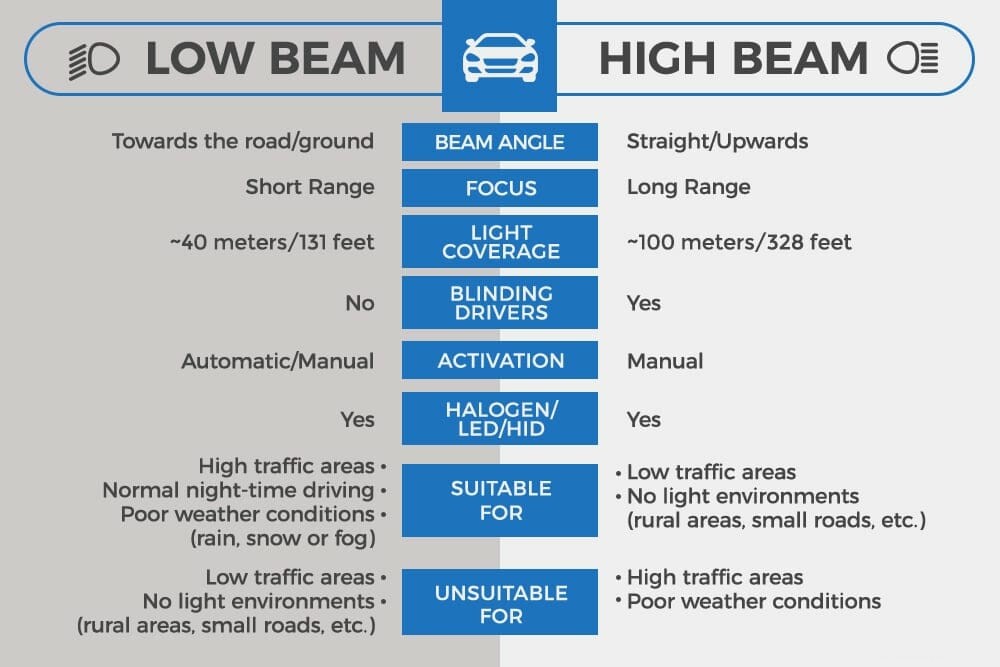
Before we get into the details, review the following table to get an idea of what the differences between low and high beam lights are.
The early cars featured one round bulb per headlight which is why most vehicles had some form of double-headlight configuration in the front. The development of bulb technology lead to halogen lights with dual filament, so it was possible to fit both low and high beams into a single headlight.
At the same time, manufacturers also used single filament halogen bulbs to separate the functions and increase longevity. In the past few years, we’ve seen a heavy push towards LED lights, which significantly increase visibility.
| Title | Price | Buy | |
|---|---|---|---|
 Top
Top
Top
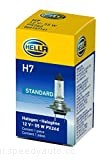
Top | HELLA H7 Standard Halogen Bulb, 12 V, 55W | Buy Now | |
 Top
Top
Top
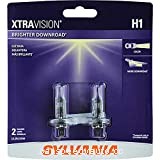
Top | SYLVANIA H1 XtraVision Halogen Headlight Bulb, (Contains 2 Bulbs) | Buy Now | |
 Top
Top
Top
Top | Philips RacingVision H4 Headlight Bulbs (Twin) 12342RVS2 Xtreme Vision Upgrade | Buy Now | |
 Top
Top
Top
Top | SEALIGHT 9005/HB3 9006/HB4 LED Bulbs Combo Package CSP Chips 14000LM 6000K Cool White | Buy Now |
Dual-filament bulbs are marked as H4, low beam bulbs are H7, high beam bulbs are H1. You can use these codes to find the correct replacement for your vehicle.
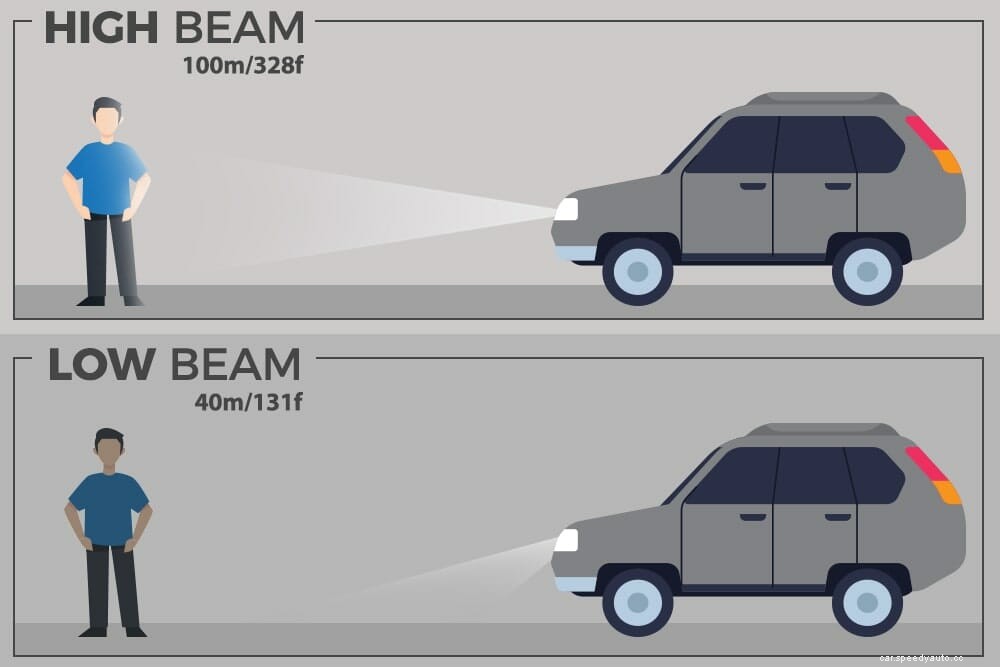
The crucial difference between high and low beam lights is how far they can reach, and how the beam travels.
Low beams are limited to 120-160 feet of travel, and the beam shines downwards to deliver complete visibility from the headlights forward. You may have noticed that there’s a difference in power between the two headlights. This is normal, as the left headlight is supposed to be weaker to reduce the impact on the oncoming traffic.
High beams shoot straight forward and create visibility as far as 400 feet away. The beam is much more powerful, the beams are identical and shooting higher than the low lights, which is why they can greatly impair the visibility of oncoming traffic.
Headlights can be far more powerful than they currently are, but the restrictions had to be set to prevent one driver from impairing the visibility of another.
First, let’s talk about the mandatory use cases for headlights. The exact regulation varies from state to state, so I’ll use the more restrictive measures to illustrate, but you if you’re unfamiliar with your state’s regulations, please check them out as soon as possible.
Mandatory use of headlights starts 30 minutes before sunset and ends 30 minutes after sunrise. Headlights must also be used in conditions of reduced visibility, determined either by range (500 or 1000 feet) or weather conditions (snow, heavy rain, ice, or fog)
High beams have to be shut off when approaching traffic is less than 500 feet away. When driving behind another vehicle, high beams cannot be used if that vehicle is less than 200 feet away. In some states, it’s also prohibited to use high beams during snow, rain, or fog. Lastly, high beams can be restricted in areas with street lights and a low-speed limit, which can be interpreted as urban environments like villages, towns, and cities.
The road regulations do a decent job at forming the use cases for high and low beam lights, but they don’t explain why it’s bad to use one or the other in certain situations. In this section, we’ll discuss the situations you may find yourself in, and how to handle them.
In an urban area, high beams are generally prohibited, and even if they’re not, there’s no need to use them. The residential speed limit ranges between 25-30 miles per hour, and low beams are more than capable of illuminating enough of the road to drive safely.
Not only that, there are street and building lights all around, as well as high-density traffic that keeps the streets bright to the point where headlights are almost unnecessary.
Now let us discuss why you shouldn’t use high beams. First, there’s a lot of traffic going in both directions, and your headlights will not only distract the driver in front of you through their rearview mirror, but they can also temporarily blind the oncoming drivers.
You’ll also shine a very powerful beam of light into pedestrians, bicycle riders, and through windows of homes, inconveniencing a lot of people.
Rural areas have higher speed limits, fewer street lights, and lower traffic density, making it okay to use high beams, provided you follow the basic distance rules.
You may not need high beams in these areas, but you want to use them whenever possible. While it’s safe to drive without them, they’re very useful for spotting slow vehicles in front of you. Tractors and tractor-trailers might deceive you with their speed, and you could approach them too quickly if you’re thinking they’re just another vehicle.
I frequently use high beams to spot for farming vehicles, horse-drawn carriages, and even stray cattle that can end up on the road.
Reaching the maximum speed limit on a highway without some use of high beams can be dangerous if you’re leading the group on your side of the road. You can take advantage of the lights coming from the oncoming traffic to complete the picture, and engage high beams when nobody’s approaching.
Freeways are essentially the same as highways, except for the road tolls. However, in terms of headlight application, there’s one distinction, and that’s the physical barrier between the traffic directions. It protects from a head-on collision, but also creates a shutter between the two sides of the road.
This means that as long as there are no vehicles less than 200 feet in front of you, it’s okay to use high beams.
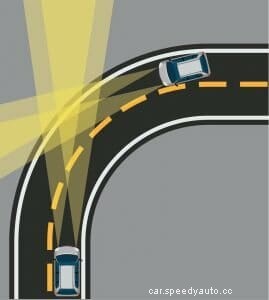
When you’re driving down a road with a lot of bends and curves, especially on a mountain pass, high beams can be helpful in increasing your visibility. Some drivers will avoid high beams in these conditions, as they can’t tell if there’s another car driving into the same corner from the other direction.
If you adjust your speed, you can drive on low beams only, and I would commend the responsible approach towards other participants in traffic. However, there’s an easy way to tell if someone’s coming your way and if you should turn off the high beams.
As you’re entering a corner, you can tell how much your headlights should illuminate. If the beam becomes increasingly brighter and covers a larger area, it’s intersecting with the headlight beam of the vehicle coming your way. Whenever you’re cornering with high beams, keep your fingers on the switch so you can react quickly.
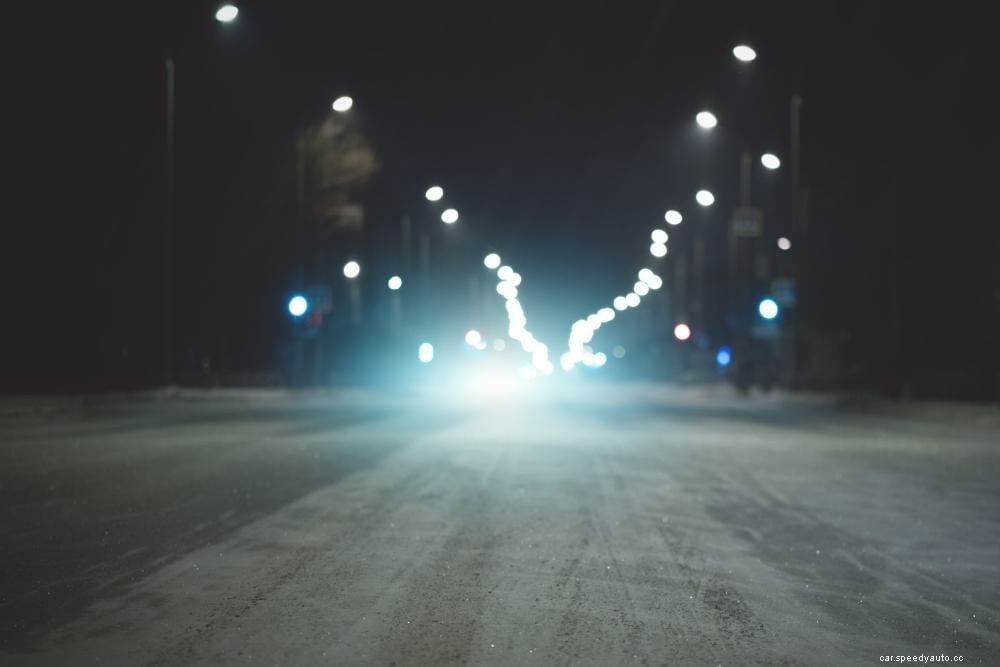
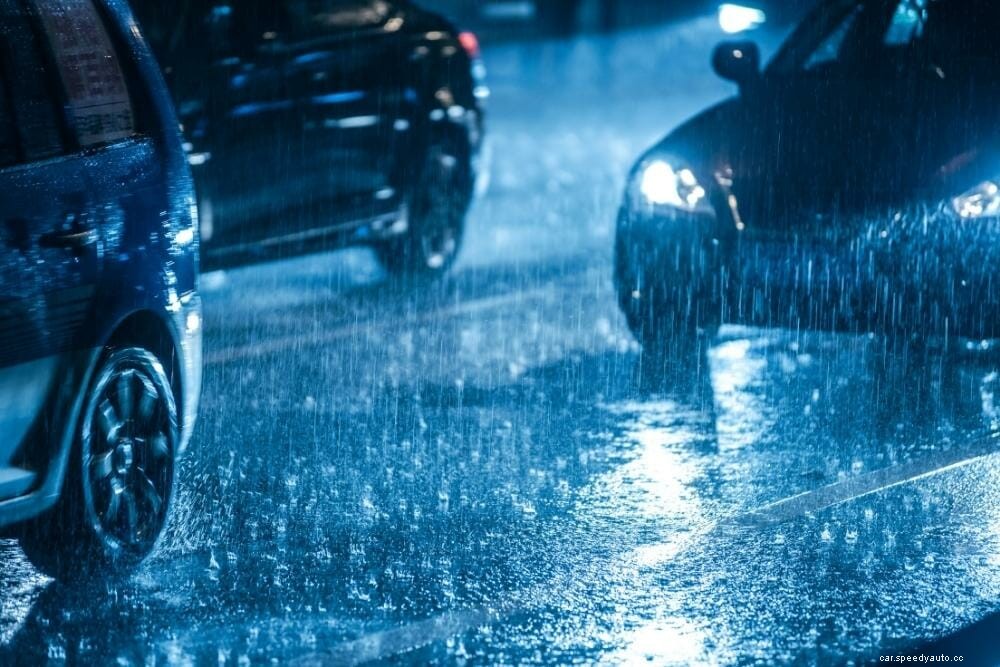
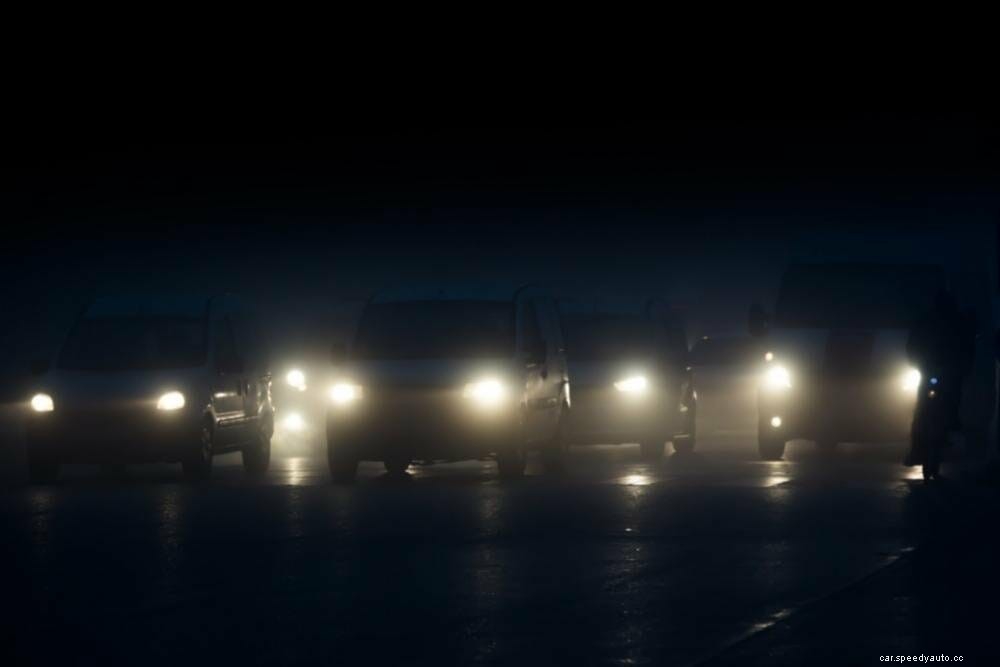
In road regulations, we’ve covered the restrictions on high beam use, which can include snowing or foggy weather. When the visibility conditions are impaired, high beams perform far worse than low beams, and it comes down to the direction the beam is shining at.
Low beams shine downwards and can penetrate through enough fog or snow to make the road at least partially visible. High beams go straight, but cannot penetrate far at all, instead of illuminating the road, they illuminate the fog and make it even more difficult to see through it.
Even though traffic regulations have been put in place to protect the drivers, the reality is that high beam regulations are almost impossible to enforce. It all comes down to the driver etiquette and the quote from Confucious “Don’t do unto others what you don’t want done unto you”.
Oncoming high beams can be extremely distracting and downright blinding, making it very difficult to keep your lane. When you see someone driving towards you with high beams, it’s normal to flash your brights at them. They might have forgotten to turn their high beams off, but once they see how bright yours are, they’ll remember to switch them off.
If they’re stubborn and refuse to turn them off, don’t retaliate by turning on your brights. I know it’s tempting to inconvenience them as much as they’re inconveniencing you, but if both of you are going blind from the high beams, it can seriously increase the chances of an accident.
After flashing brights a few times, the only thing you do is to make a mental image of the road and keep calm. Look at the right edge of the road, and follow the line or road markers as your guides. Keep your steering wheel straight and avoid sudden braking to keep the driver behind you safe as well.
Driving at night is much more taxing on the mind and body than driving during the day. The limited visibility, the constant distraction of oncoming traffic, and a higher level of alert are combined with fighting off sleep and tiredness.
Slow and steady wins the race, so take breaks when you feel like you need them, stretch your legs, get some fresh air in, and then carry on. Being tired may push you towards driving more quickly, which is a bad idea.
If you’re really tired, stop at a gas station for a cup of coffee, tilt your seat back and get some rest, or rent a motel room. A couple of hours spent resting is really not that big of a deal.
A great tip for driving at night is to observe the brake lights of the driver in front of you. Gauging distance at night is much harder than it is during the day, as you don’t see the line or objects around the road that subconsciously help you estimate the distance.
When you’re driving behind another vehicle, maintain a safe distance, and be on alert as to what they’re doing. If they’re pulling away, you can accelerate. If you’re slowly approaching them, it means they’ve let go of the gas and are slowly decelerating. If you see their brake lights flash, put your foot on the brake and see whether you can decelerate naturally, or if you should break immediately.
This simple tip will make driving in a group significantly less taxing. Just look over the first vehicle from time to time to be prepared for a full stop if necessary, but otherwise, keep your distance from the vehicle in front and you should be good.
High and low beams have different ranges and angles at which the beams travel, which makes them into two separate things. You might be confused by the H4 halogen bulbs, which contain both the high and low beam filament inside a single unit.
The low beam symbol on the dashboard and the headlight switch has a series of downwards pointing lines coming out of a headlight that looks like the capital letter D. You can differentiate it from high beams through color, as the low beam is green whereas the high beam shines blue and has straight lines coming out of the headlight.
On some vehicles, even if you turn on the low beam lights, you’ll get the symbol for parking lights – a series of lines coming out of two headlights. This shouldn’t confuse you, as you can easily confirm your setting through the headlights switch. On almost every vehicle, the first position indicates parking lights, while the second is reserved for low beam light.
High and low beam light bulbs are not interchangeable, so don’t try it. Aside from fuses, your backup set should contain a spare bulb set for quick on-road repairs.
High and low beams use different light bulbs, so if one of the two isn’t working, the cause is either a blown fuse or a burned-out light bulb.
When you turn on high beams, a blue-colored headlight will appear on the dashboard to remind you that they’re on. You can always check with your high beam switch, mounted on the left side of the steering column.
Usually, pulling the switch towards the steering wheel will flash brights, and pulling all the way will click and turn on high beams. On some vehicles, you need to push the switch away from the wheel to engage high beams.
If you didn’t know all the nuances of using high and low beams, after reading this article, you should be ready for any road conditions and situations. At VehicleFreak, we’re devoted to creating high-quality guides to help owners learn more about vehicle maintenance and care. We’ve got a lot more guides in our Auto Tips section, so feel free to check them out!
Find out more tips in these posts:
How to Fix a Cracked or Broken Headlight
How to Smoke Headlights – Step by Step Guide
How To Clean Headlights With WD40, Toothpaste, and Baking Soda
