
A bad fuel pump could stop your car in its tracks. How do you know if a fuel pump is bad? It might be difficult to start, have engine surging, sputtering, or stalling. But the best way to deal with a bad fuel pump is to replace it.
However, today we’ll teach you how to start a car with a bad fuel pump so that you can avoid being stranded on the road and safely drive to the nearest mechanic who can fix/replace your fuel pump!
Your vehicle’s engine needs a constant influx of fuel and air for combustion. And the fuel pump ensures the correct fuel supply.
How does it do that? The fuel pump creates pressure in the system by forcing the gasoline to flow under high pressure. The pump is driven off the camshaft timing belt or crankshaft pulley. There are different kinds of fuel pumps available in the market, and their mechanism varies.
There are some warning signs that indicate your fuel pump is about to go into failure mode. If your car becomes harder to start, struggles to stay running, runs rough or stalls out when driving, check the fuel system for problems.
Here are 13 common symptoms of a bad fuel pump:
This means the car’s computer has decided it won’t let you start because it thinks there isn’t enough pressure in the gas tank to actually run. A clogged filter can give off this same false signal.
Check under the hood first for low/no gas then inspect the gas filter before changing anything further on your own. You can try squeezing the bulb of an old-fashioned manual gas shut-off valve to see if it will allow fuel past. If it does, you can add some gas and try to start the car again.
Push down on the gas pedal a few times while cranking the engine to help get more gas into the engine and then try starting it up. (Note: Backfiring is normal for this process and won’t damage anything.)
This means your car’s computer has decided that there isn’t enough air in the system to support proper combustion. It may also be caused by a clogged fuel filter or sediment build-up at the bottom of your gas tank interfering with proper flow.
Keeping an eye on things like tire pressure, tread depth, and the condition of your wiper blades can help prevent this from happening.
This means the engine is having a hard time producing enough power to properly propel the vehicle because it’s running out of gas. Your ignition system may be going bad as well.
A fuel pump that fails to turn on will leave you stranded and unable to start your car, even after following directions in item 1 above.
Check for battery or electrical problems first if this happens. Many times, a dead cell in your battery will kill your fuel pump as well. If you’re near a gas station, try priming the tank by pushing down on the gas pedal all the way to the floor 3 times.
Low fuel pressure will cause your engine to stumble or quit when you’re trying to sit still.
This is the easiest problem to mask because it happens mostly at low speeds (idling, etc.) but can be caused by anything that interferes with the proper flow of gas into the engine. A clogged filter will do this for sure and may also be accompanied by hard starts during item 4 above.

If your car’s not putting out enough power under normal circumstances, check for a bad pump before replacing any other components in the system.
The computer has ways of knowing how much air/fuel mix it wants so if it thinks there isn’t enough of either, it will reduce power output. If you try to take off from a stop and the car feels as if it has suddenly lost half its horsepower, there’s a good chance your fuel pump is failing.
A bad pump can affect how much fuel is being delivered through the system into your engine. As a result, this may cause mileage to drop drastically or burn up more gas than usual due to poor atomization at higher speeds (ex: you can hear the engine working harder).
Listen for dripping coming from underneath the vehicle after you’ve parked on level ground. Check inside the gas cap (and around the gasket itself), under the car near where it connects to the fuel line, and look for noticeable wet spots or puddles of gas that didn’t get burned during your last trip.
If you find any, it’s time to have a certified technician check out your pump before you run out of gas. Otherwise, someone could get seriously hurt if there are fumes coming from the car while it’s running!
If you’re having trouble merging onto a busy road, there may be an issue with your throttle position sensor.
This part reads inputs from your pedal and tells your computer how much pressure is being applied. A failing TP sensor can cause problems like this but it’s not used only to regulate performance: Throttle sensors also help determine the idle speed and manage cruise control functions.
If you find yourself unable to stay running at a complete stop, there may be a problem with the throttle position sensor as well as your ignition switch. This combination can cause an open or short –> increased resistance/heat and motor failure.
Try to determine whether it will continue running if you hold the pedal down halfway while cranking (or even all the way, in some cases). If not, this is definitely one of your problems.
There’s nothing like feeling like you’re on a boat every time you hit the gas! If your vehicle starts shaking when using cruise control, there may be an issue with your throttle position sensor. Both parts work together so don’t ignore any motor mount noises if this happens: You could have more than 1 bad part!
Here’s a real bummer to deal with: If you start noticing a strike-the-match smell of gas near your feet while driving, there could be a bigger problem at play. The source is probably from around your fuel tank or from an exterior leak so have this checked out ASAP if it hasn’t been resolved yet.
This usually only happens when starting your car and shouldn’t last more than a few seconds. Some vehicles will automatically activate their pumps for a few minutes after shutting off to prepare the system for another drive while others may continue running until they’re shut off manually. Either way, listen for this noise before thinking about spending money on parts.
Now that we know how to identify a bad fuel pump, let’s look at some quick fixes in case you find yourself stranded on the side of the road.
If your car has good spark and compression, try using a vacuum gauge to increase the amount of suction on the fuel pump. This will create more pressure and get the engine running.
Another trick is to apply external pressure to help the pump push gasoline towards the engine. You can do this by placing something heavy against the gas tank, like a big rock. The idea is that extra pressure will help overcome the deficiency created by a bad fuel pump.
Lastly, if your car is overheating, stop driving it! Allow it to cool off. Then try to start the car again, as the pump will work well when it’s cooled down and not overheated anymore.
Remember, these are only temporary fixes. If you want to drive your car for a long time, better bring it to a professional for a fuel pump change.
If you have a fuel pressure gauge, it’ll be easier to test the pump.
The first step is to attach the hose of your fuel pressure gauge onto the Schrader valve on top of the engine which connects directly with the gas tank. It will provide you with an accurate reading by measuring how much PSI (pounds per square inch) gasoline is flowing into and out of the system.
For most cars, replacing a bad fuel pump requires no more than 30 minutes when using this guide! And if done correctly, there won’t be any damage to the car. How to change/replace a fuel pump:
First, you’ll need to locate your gas tank and remove it from its place by unscrewing bolts or clips holding it in position.
Then, disconnect all electrical connections such as fuel lines that would make removal of the old one easier.
Using a flathead screwdriver, remove the clips or screws holding down your old fuel pump.
How can I avoid this in the future? How do I make sure it doesn’t happen again? How to prevent getting stranded on the side of the road?
If you are experiencing any problems with your vehicle which seem like signs of bad fuel pumps, take your car to mechanics who will identify/ diagnose what is wrong and recommend possible solutions for improvement!
First, get off the screw from the fuel filter using a straight screwdriver and then wrap some cloth around it so that you don’t damage it while putting it back later on. Push your air mattress pump into the fuel line from the gas tank and give 3 or 4 pumps so that the fuel fills in.
Then, connect another hose of your air mattress pump to an opening of the filter and supply 3 or 4 more pumps.
Make sure that you remove all the excess pressure created in both ends before disconnecting them from each other or by removing the straight screwdriver.
Afterward, put back the screw into its place and tighten it using a screwdriver. You can then start your car to check if it runs okay with no problems at all.
To avoid further damage to the car, it is advised that you replace the fuel pump as soon as possible. A bad pump can lead to multiple side effects like bad fuel economy, power loss, car overheating, and even engine failure.
If you are not sure how to replace a fuel pump, visit a professional mechanic as soon as possible!
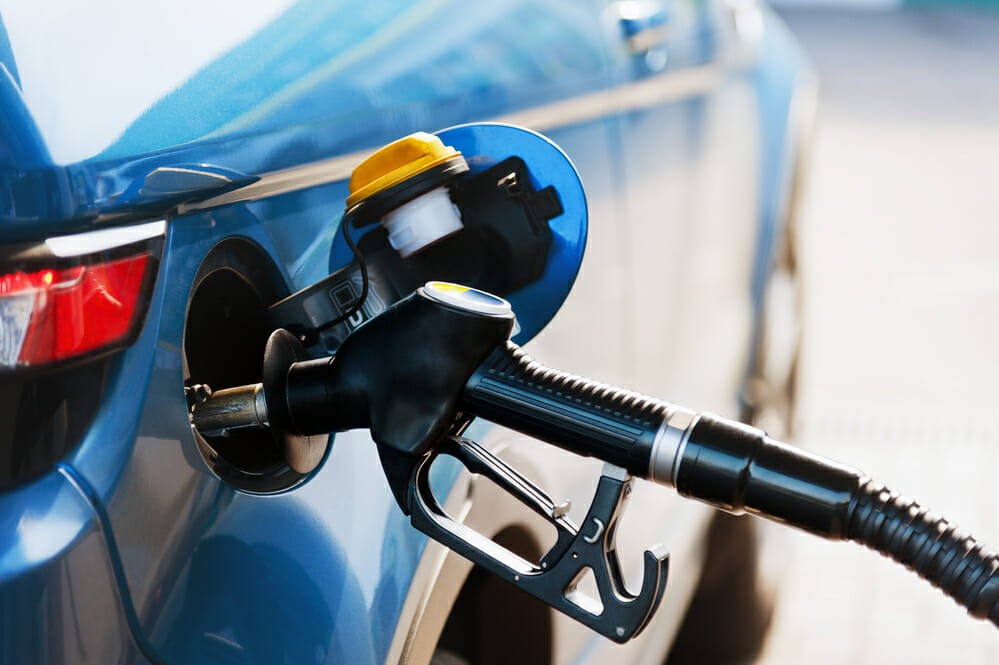
The easiest way to increase the lifespan of your car is to use high-quality fuel. Cheap fuel with impurities in it can damage the pump, which can lead to engine damage
Always change your fuel filter on time! Filters protect your vehicle and make sure it runs without problems for a long time! Don’t drive on an empty gas tank. Always have at least a quarter of fuel, as the gas help keep the fuel pump cool.
Prevention is always cheaper than the cure, so follow those easy steps and drive without care for a long time!
A fuel filter is a device that removes contaminants from the gas before it enters the engine. There are several different types of filters, ranging from very efficient ones made out of metal mesh to less effective paper-based filters.
Your car’s owner manual should indicate what type of filter your automobile uses so you can get something compatible with it for replacement purposes. You may also wish to ask someone who knows about cars if they could recommend specific brands which provide good quality products in their particular area (this isn’t really necessary since most of the time it’s fairly obvious, but still).
Fuel Pumps are used to pump the fuel up from tank to engine, while Fuel Filters are used to the level of filtering the gas. Now if there is any problem with the fuel filters, then the pumps would not be able to work effectively.
It is always advisable that you change both at the same time. If you have already done one then do the other as well else it will only cause more problems in the future. If changing just 1 does not give results then you can go ahead by changing them one by one. It depends upon your budget guess!
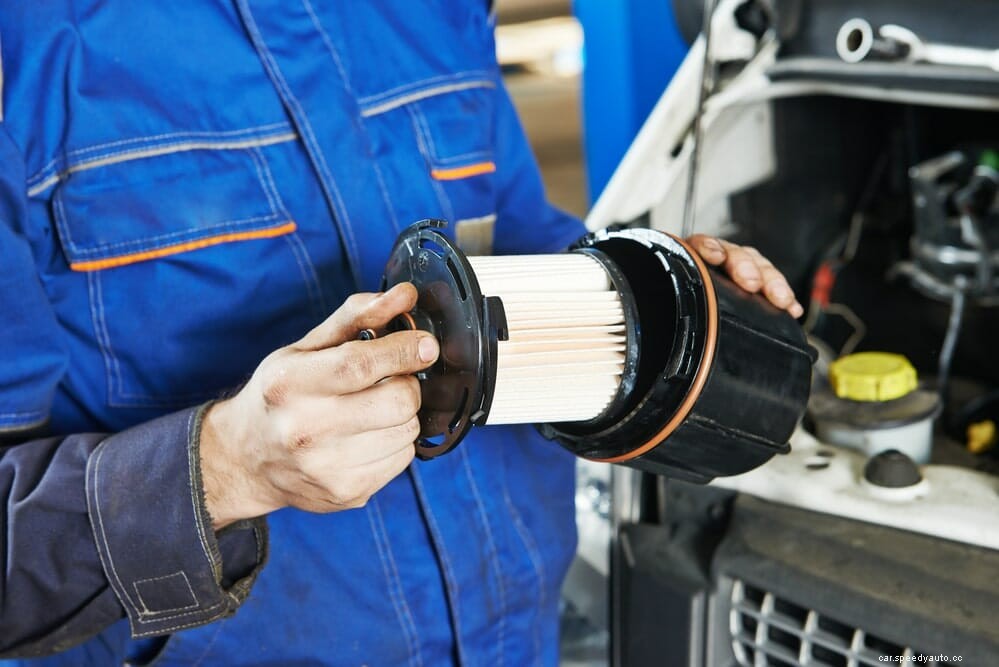
Failing to replace your fuel filter can cause some major problems for your ride. Firstly, not changing this piece will cause dirt and rust to accumulate in your vehicle. This can jam fuel injectors, clog up the tank and even knock out your precious engine! Yeah, you don’t want that to happen.
Yes, you can definitely do it yourself. It is not a very difficult task to change fuel filters. You can buy it online or in a nearby auto parts store easily. But make sure that the one you are buying matches your vehicle manufacturer specifications. If they don’t match then it will ultimately damage your fuel pump system by blocking it completely so be careful about this point.
This question is quite common around here so here are some guidelines for you. Again, as long as the filter isn’t clogged up badly(as indicated by your car giving you troubles) then there’s no real need to buy a new one right away – just wash it out with water and then let it dry. You could probably use that filter for another 20,000 miles if you’re good to go.
It’s always better to replace your vehicle’s fuel filter before it needs replacement rather than after. It’ll save you time and money so keep this in mind! Make sure the new fuel filters are compatible with your car!
Also, make sure that there aren’t any small pieces on the sides of a paper-based fuel filter that may come loose and get clogged up inside your fuel injectors (read the description carefully to make sure).
More similar topics from VehicleFreak can be found here:
Can A Bad Fuel Pump Relay Cause Misfire?
Reasons A Fuel Pump Fuse Keeps Blowing
How To Test A Fuel Pump Without A Pressure Gauge
