
It’s a frustrating feeling when you go to start your car and the engine doesn’t turn over. You may think that it’s because the battery is dead, but sometimes the problem is with the ignition switch.
Ignition switch problems are mostly caused by water intrusion. The problem is both electrical and mechanical as the connectors get wet and corrode over time.
Another reason for an ignition switch failure can be loose connections which cause electrical failures because the circuit isn’t closed.
If your car has a bad ignition switch, don’t worry – we’re here to help! In this article, we will teach you how to start a car with a bad ignition switch.
Most drivers take their car’s ignition switch for granted. They’re familiar with the process of starting the car, but many don’t know what actually happens when they turn that key or push that button.
What follows is an explanation of how an ignition switch works and some tips on how to make your vehicle start more easily in cold weather.
We will also talk about how you can prevent some types of problems before they happen by performing regular maintenance on your vehicle’s ignition system. First, though, let’s review some basics about automotive electricity.
A car’s electrical system is very much like the electrical system in your home. Your ignition switch controls the flow of electricity to three important parts of your vehicle:
When you turn on your ignition key, current flows from your battery through a wire that goes directly to the starter solenoid. This causes the solenoid to activate and pull in a lever that engages gear teeth on both sides of the starter drive shaft.
With all this gearing engaged, it takes much less effort for the motor to turn over – just enough so that it can supply its own power needs.
Next, let’s start the engine. When you turn the key to “Start,” it activates a switch that sends current to the ignition coil(s). The ignition coil converts electrical energy into intense heat and pressure, which makes a spark.
If the timing is correct, this spark ignites a small pocket of air/fuel mixture in each cylinder. The resulting combustion forces the pistons downward and turns the drive shaft, generating power that moves your car.
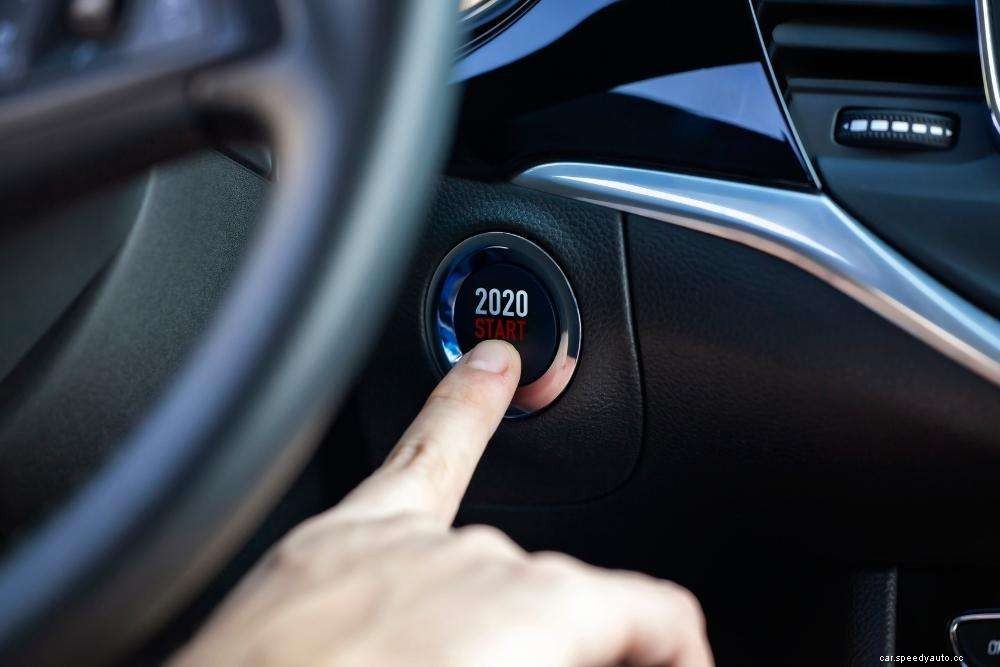
There are a few things that can go wrong with your car’s ignition switch. One of the most common problems is water intrusion. If your ignition switch gets wet, it can corrode and eventually fail. Another problem could be a loose connection, which could cause intermittent electrical failures.
The good news is that most of these problems are preventable by performing regular maintenance on your vehicle’s ignition system. You should have your ignition system checked at least once a year to make sure everything is in good working order.
If you’re experiencing any of these symptoms, it might be time to replace your ignition switch:
Now that we know how an ignition switch works, let’s take a look at some tips on how to start a car with a bad one:
To start a vehicle with a bad ignition switch, you need to use jumper cables. First of all, locate the positive and negative terminals on your car battery.
Then attach one end of the cable (black) from an external power source such as another vehicle’s battery or charger pack at home; other ends connect these wires together at their respective points – red for +).
If you’ve followed these instructions, then your car should start up with no problems. Just be careful not to let the jumper cables touch each other while the car is running, as this could cause an electrical fire.
The first step is to remove the panels around where your battery sits, just like we did in the last section. Then unscrew four bolts that hold it down using a socket wrench or screwdriver and pull them out with pliers (if needed).
Once removed, you’ll need two wires: one red for the positive (+) end of an automotive battery terminal connector at the top center position on the left side panel near the airbag cover attachment point.
This will go into one post while another goes into the bottom right corner post from underneath through a small hole drilled there by the manufacturer when building the vehicle originally – but don’t forget about ground wire!
Just connect those three things together before starting up the engine again because if anything else fails during the process then everything will just go back to where it was before – and that’s not good.
Start by taking the screwdriver and prying up the black plastic cover on top of your steering column. It’s held in place by two screws, so it should come off easily.
Once you’ve removed the cover, take a look at the ignition switch. You should see three small holes next to each other. The middle hole is for the key, while the other two are for the screws that hold the switch in place.
Using a drill or a screwdriver, insert the appropriate tool into each of these holes and turn it clockwise. Be careful not to damage anything else while doing this!
After a few minutes of turning, you should be able to start your car with ease. Just make sure you replace everything back the way it was before driving away!
Fixing a bad ignition switch is not an easy task, but it’s one that can be done by most people with the right tools and knowledge.
In this example, we’re going to use some simple household items like duct tape or wire coat hangers as well as two wires which may need stripping off their insulation before attaching them together using solder (a mixture of lead and tin).
You’ll also want to test these connections by connecting both ends into 12v sockets on either side of your vehicle’s battery terminals just like how they were originally connected initially so no current flows through any other system components until all three parts come back down again after being disconnected earlier during the removal process.
If everything works properly then congratulations because now you know what’s wrong with the ignition system.
If you’re still having problems starting your car, then it might be time to take it to a mechanic. They’ll be able to diagnose the problem and fix it for you in no time!
Replacing an ignition switch can be a difficult task, so it’s usually best to leave it to the professionals. If you’re determined to try it yourself, though, here are some tips:

The best way to prevent problems with your ignition switch is by performing regular maintenance on your vehicle’s ignition system.
Make sure you follow these steps every time you drive your car:
An ignition switch usually lasts around five to seven years, but it can vary depending on the make and model of your car.
It’s possible to start a car with a wire coat hanger, but it’s not recommended. It’s a risky maneuver that could damage your car’s electrical system. It’s best to leave this kind of repair to the professionals.
There are many things that can cause problems with an ignition switch, including corrosion, loose connections, and damaged insulation. Performing regular maintenance can help prevent these issues from occurring.
A bad ignition switch can damage your car’s electrical system, which can, in turn, lead to other problems. It’s important to have it fixed as soon as possible if you notice any issues.
Hopefully, this article has helped you start your car with a bad ignition switch.
If not, don’t worry. There are professionals out there who can help! Just make sure you take care of your car’s electrical system by performing regular maintenance. This will help prevent problems down the road. Thanks for reading!
