
An alternator is an electric generator that uses a rotating motion to generate electricity. It’s part of your car’s charging system, which keeps your vehicle’s battery fully charged and powers the electrical components in your car. How does it work?
When the engine is running, the alternator — which is located under the hood on some vehicles and in the trunk or rear of others — spins a series of magnets inside its core around three sets of wire windings called field coils.
This process generates alternating current (AC) electricity at low voltage (typically 12 volts). The varying magnetic fields produced by this rotating activity induce an electrical current in another set of wires called “stator coils.” These stator coils are stationary.
As the AC passes through them, it gets increased in voltage to roughly 14 volts. The alternator’s electrical flow is regulated by a diode trio inside the alternator — consisting of three diodes that are wired together — which allows this boosted power to charge your battery when it needs it most, such as when you’re braking or heading downhill.
It is important to realize that there are two main types of alternators. An older voltage-output type produces a regulated output relative to rpm and road speed which varies between 10 volts at idle down to 6 or 7 volts when revved hard in high gear.
This type was used on most cars up until the mid-80s when it was replaced by an unregulated “absorption” geometry type that provides a higher maximum charge rate throughout its operating range typically between 14-18 volts, depending on the car in question.

Your vehicle may have an alternator problem if its “charging” light stays on when you turn on the ignition or if its warning lamp flashes intermittently while the engine is running. You’ll need to take your car in for service if any of these things happen.
However, keep in mind that there could be other factors affecting the health of your car’s battery. If you’ve had a dead battery more often than not, check out if don’t have alternator problems.
Heat and overcharging are the number one cause of alternator failure. Overcharging can be caused by faulty or out-of-calibration regulators or voltage boosters. A weak charging system causes overheating due to excessive current draw on the battery.
Also, poor connections on wiring can lead to overheating as well as actual shorting inside a faulty regulator that draws high current even at idle. With bad connections on wiring, it will cause connectors or components to melt or warp!
This causes resistance in circuits which causes heat. Excessive heat is what kills an alternator, resulting in broken internal diodes, windings, and bearings.
If the problem is minor, all you’ll likely notice is that your headlights — and perhaps some other electrical components like power windows or heated seats — don’t work as efficiently as normal. However, if the belt that connects your alternator to your engine slips or breaks, then you won’t have enough power to keep things like lights and radios working.
Driving will also be much more difficult since the battery will drain much faster than normal. If the belt fails, your engine will stop running altogether. What do I need to know about alternators?
Your alternator is a car component that helps charge your battery and powers up your vehicle’s electrical components — so regular inspections are key to protecting against unexpected breakdowns or more costly major repairs later on.
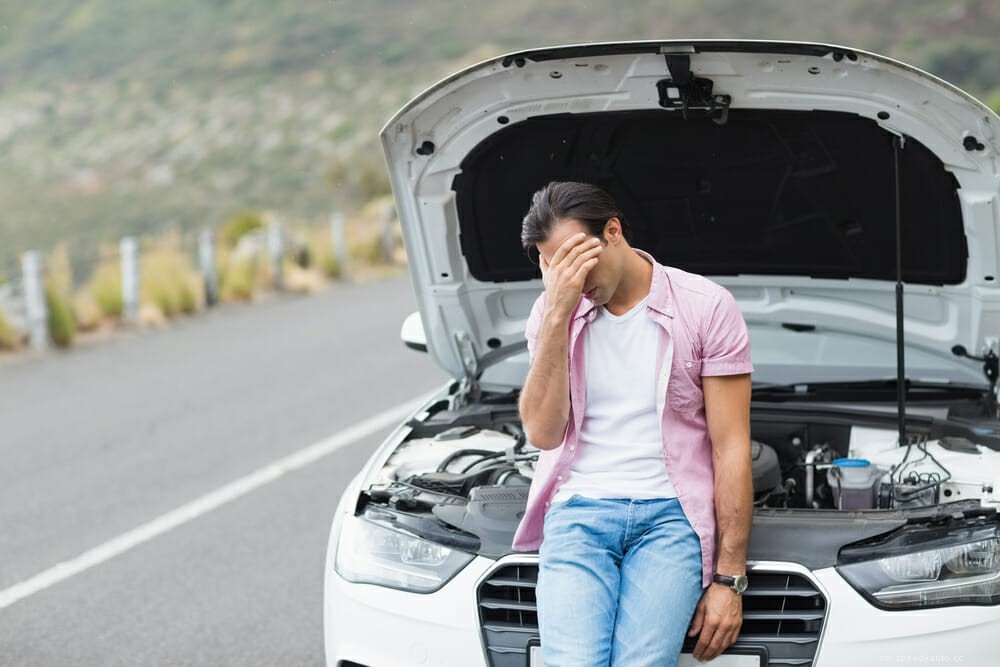
A bad alternator will shut your engine down. Because of this, you won’t be able to drive very far before your vehicle loses power completely after a period of time.
An alternator problem will usually cause the battery to drain, so you should be able to drive at least a few miles before everything comes to a stop. Of course, this depends on how far you are from home or some other safe place where you can leave your car and find another way of getting around.
You probably won’t make it very far without an alternator at all. A dead battery won’t allow the engine to start, which means that you need power produced by the alternator for things like lights and radio. If the belt that connects your alternator to your engine slips or breaks, then you won’t have enough power to keep things like lights and radios working.
Driving will also be much more difficult since the battery will drain much faster than average. If the belt fails, your engine will stop running altogether. With a bad alternator, tt would be surprising if your car can last longer than 10 minutes or 7-10 miles.
Before jumpstarting a car we recommend that you take some safety measures:
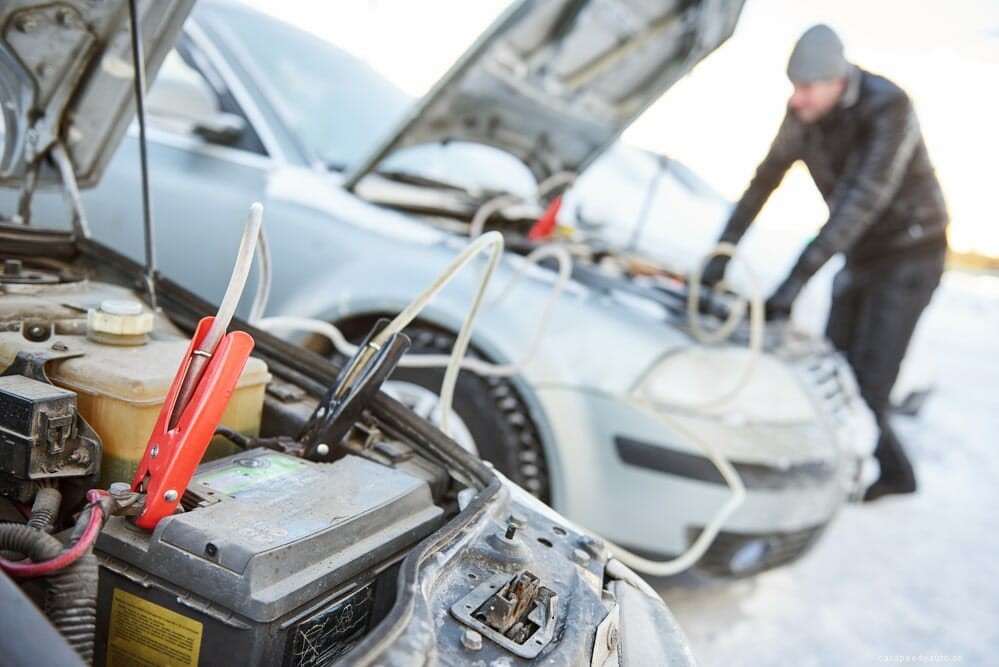
When it comes to jumpstarting a car with a bad alternator, there are some things you should keep in mind. Firstly the battery of the second car needs to be fully charged or as close to full as possible, and secondly, you need an extra pair of hands as this is not as easy as your regular jumper cable hookup.
Here’s what you do:
If done correctly, your car should start right up with a dead or dying alternator. As time passes, you might see more issues with performance as it is crucial that you get your electrical system checked ASAP to prevent further damage or, even worse, permanent failure of some other major components of your vehicle.
Keep in mind that jumpstarting a car with bad alt is not an ideal solution, but if there is no other choice, it can be effective for some time until you get around to getting another alternator installed.
An alternator doesn’t need to be necessarily be replaced as most mechanics can easily repair it.
Repairing an alternator can cost $100-200 for a small car and around $250-400 for a bigger vehicle such as a truck or SUV. A new unit costs anywhere from $150 to $700 depending on brand and type. The price increases if there is more than one problem with the charging system.

Your car won’t start just because its battery dies; you also need power produced by the alternator for things like lights and radios. Driving without power steering and power brakes is difficult and dangerous, and there won’t be air conditioning or radio to keep you entertained.
You can help extend the life of your alternator by keeping up with regular maintenance. Get it tested whenever you have an oil change and replace it before it fails completely. Most mechanics recommend replacing your alternator every five years or 60,000 miles, whichever comes first.
When you replace an alternator with a new unit, the pulley on the alternator is generally smaller than the OE pulley.
This is necessary for proper belt alignment and cooling. When fitted to a stock-height vehicle, there should be no interference between the bottom of the radiator core support and belt, which can cause overheating in extreme cases.
Fitting a longer belt may cure overheating when that situation occurs. In some instances, it may be necessary to add additional tension due to heat buildup from bearing tolerances being different from one brand to another.
Finally, serpentine belts have much more slippage in them compared with V-belts, so there is more heat in serpentine belts.
There are two basic reasons for this. First, at idle, there is very little load on the car’s electrical system; therefore it takes less output to supply the same load (lights, radio, heater fan) at higher speeds where the engine is working harder.
Second, the alternator output voltage does drop with increasing RPMs due to internal resistance building in the armature windings. It compensates by producing more current in order to maintain a constant voltage with increased RPMs.
However, it can’t compensate enough when you have high-draw items like an aftermarket stereo with multiple amps and large speakers drawing high currents combined with other stock-equipment loads drawing current also. The best solution here is simply not to install any electrically powered devices that aren’t necessary and use a higher output alternator.
A high-output alternator has slightly higher internal resistance which is why it can provide more voltage at idle. It also has two diode rectifiers so it puts out full rated voltage even when RPMs are low or drawing no current (as with an engine off).
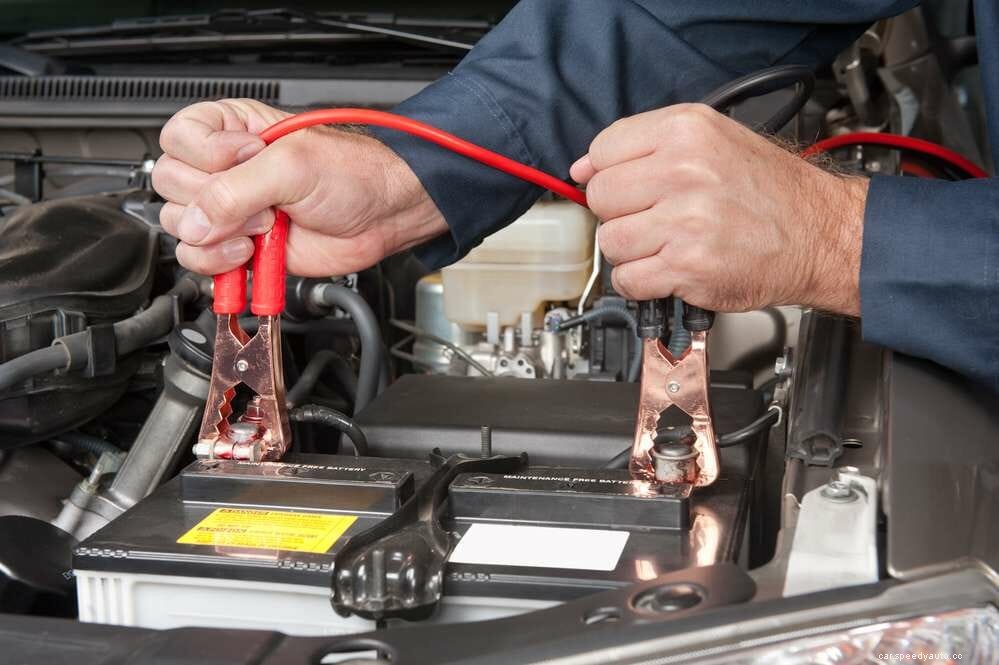
Much the opposite is true. A high-output alternator has a higher current output capability, which allows it to recharge your battery more quickly and entirely between engine starts. This is why some vehicles with small or undersized batteries can run all day long without a problem even though they have many accessories installed.
Generally speaking, a good quality high-output alternator will actually charge an automotive starter battery in 2 – 3 hours or possibly less if you drive the car.
To determine how much amperage your car requires for proper charging, use this simple formula: Multiply the total number of amps required by all electrical devices on your vehicle at idle by .85; then add that number to the total number of amps required at idle by all electrical devices when you rev your engine above 2000 RPMs.
If the result is less than the alternator’s rated output, you’re in business and can use a high-output unit safely.
12.6-12.8 volts at idle is normal, but it’s important to realize that voltage will drop under load and when charging the battery which can lead to stalling or other driveability problems. You should get a good scan tool or digital multi-meter and keep an eye on your power levels going down the road, not just at idle.
This varies with each design but it’s typically somewhere between 2000-4000 rpm under most conditions. The lower the rpm under load, the lower the amp draw and thus, heat. However, this can be dangerous in modern vehicles if it’s too low because of voltage issues which may lead to stalling or poor driveability problems such as engine surging when decelerating after a hard run down the highway.
Here are some other posts you might want to check:
How Long Does It Take to Replace an Alternator?
Do Motorcycles Have Alternators?
Honda CR-V Alternators: What You Should Know
