
There is nothing more disconcerting than stepping on your brakes and finding that your car vibrates or shakes as it comes to a stop. This is one of those issues that you do not want to ignore as it is a serious safety issue that compromises your ability to stop in an emergency.
There are a few different reasons why you would experience pulsating or shaking while you’re breaking. Here are a few of the more common reasons why your car may shake when braking.
If you feel a vibration when you apply the brakes, then there could be a problem with your suspension or steering components. It could also be a problem with the brakes themselves. Very rarely, you may find that a worn bearing or possibly a tire is the problem.
It may even be your driving technique! Isolating the problem first is half the battle won, so let’s see what steps you can take to resolve your shuddering and shaking brake problem. Let’s deal with the most likely issue first – your brakes.
Although not a hard and fast rule, you will usually feel front brake issues through the steering wheel. If you feel the shuddering and shaking in your hands or through your foot on the brake pedal, then it’s more than likely the problem is upfront.
This makes sense as the weight of the car pitches forward when applying brakes, causing the front brakes to absorb most of the braking effort. The rear wheels do not require as much braking force as the front suspension supports up to 80% of the weight of the car when applying brakes.
In my experience, problems with the rear brakes are usually felt through the seat. You can sometimes confirm that the problem is with the rear brakes by applying the handbrake with the release button depressed.
While cruising, carefully pull up on the hand brake with the release button depressed. You may feel a pulsating vibration which is a sure indication that there is wear on the rear drum brake. Unfortunately, this method cannot be used if the rear brake assembly is a combined brake disk and brake shoe arrangement.
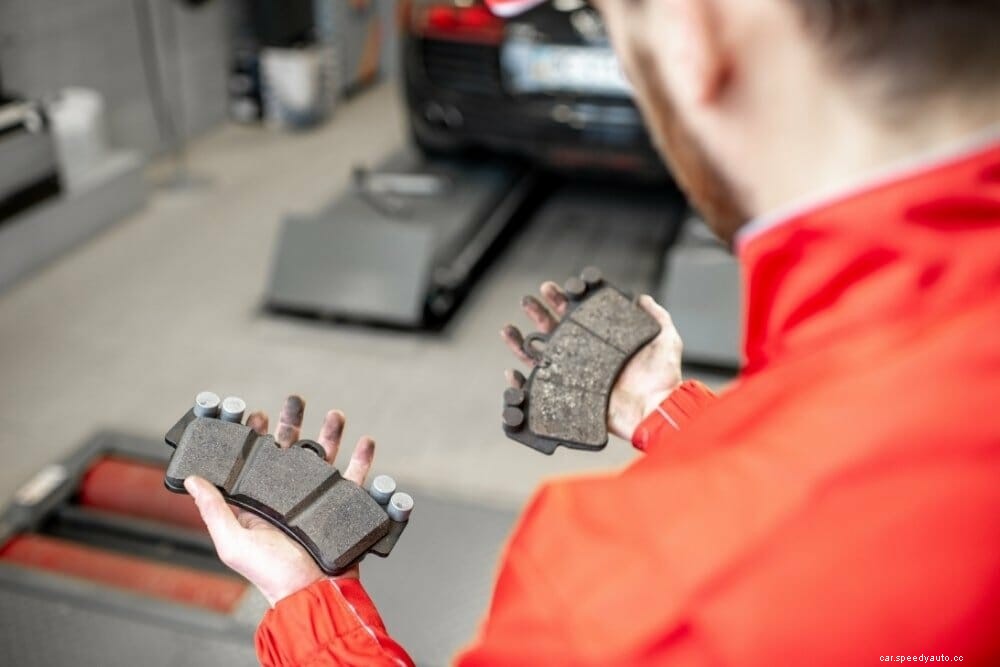
On the front wheels, a pair of brake pads is found inside the brake caliper which is bolted onto the sub-assembly via the caliper bracket. Over time, your brake pads wear out. The wear is not usually even, with the inner brake pads wearing slightly more than the inner ones.
Uneven brake pad wear can be the result of rotor damage. Warped or cracked rotors put uneven pressure on each pad causing one or other pad to wear unevenly.
Seized guide pins are another potential cause of uneven wear. This will then not allow your pads to retract fully, keeping them in contact with the rotor longer than necessary. The build-up of heat then causes the rotor to warp and the pads to wear even more.
Worn brake lines that don’t allow fluid to flow freely can also, either cause the brakes to bind, or prevent them from contacting the rotor with sufficient force, causing uneven wear. Similarly, a problem with the master cylinder pumping brake fluid unevenly through the system could cause uneven wear.
There is usually an electronic wear indicator built into the pads which illuminates a light on your dashboard telling you to replace your pads. There are also metallic clips on some pads that will make contact with the brake rotor when they wear down.
This results in a screeching sound that is hard to miss. If these signals are accompanied by your car skipping or shaking when you apply brakes, then the cause is probably your brakes.
If your pads become contaminated with oil, dirt, or some other roadside debris, then it can have a detrimental effect on braking performance and sometimes cause shuddering and jerking when you apply the brakes. Replacing the brake pads will most likely resolve the problem unless your brake rotors are also worn or damaged.
If there is a leak or a sticky brake caliper, it could be the piston inside the caliper.
Over time, the rubber ring inside the caliper becomes worn and could allow brake fluid to leak past the sides. The resultant loss of hydraulic pressure can cause the pads to wear unevenly.
Brake fluid is also hydrophilic, which means it attracts water and this can cause corrosion inside the brake piston. This in turn can cause the piston to stick, reducing its effectiveness and ultimately causing uneven brake pad wear.
This uneven brake pad wear can contribute to brake shudder and jerking when applying brakes.
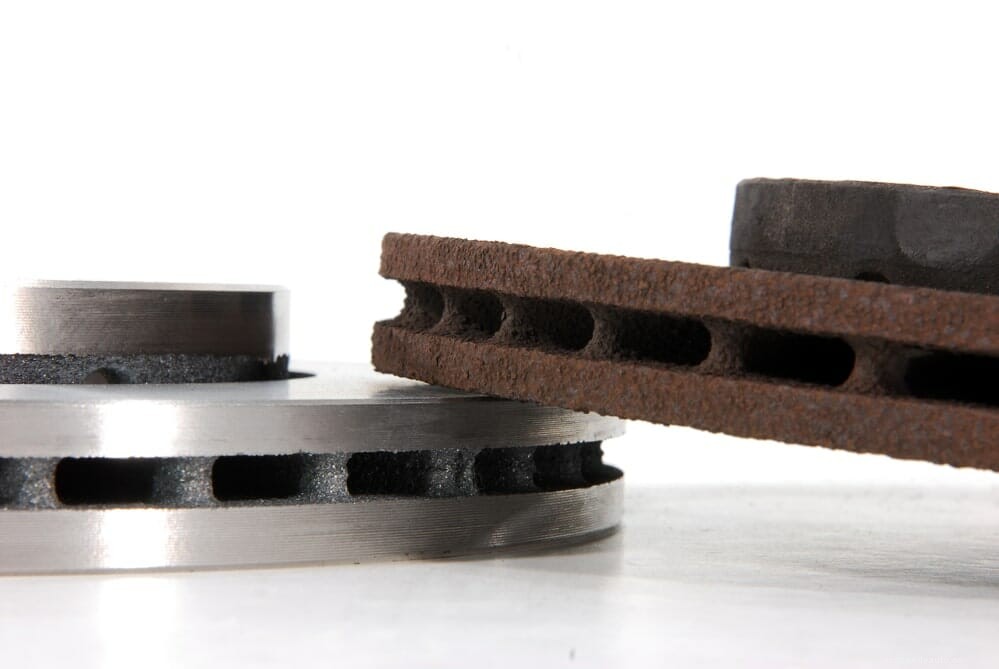
The brake rotor or brake disk is the round metal component that transfers the brake force to the wheels.
Rotors can become warped through normal wear and tear over time or through harsh braking. As the rotors warp or crack, they cause the pads to oscillate. This oscillation translates into jerking and juddering as you come to a stop.
The solution is to replace the pads and brake disks.
Some vehicles have brake drums on their rear wheels. Instead of brake pads, brake drums have brake shoes fitted inside the drum. Over time, the brake drum wears and can cause a vibration when braking.
The solution is to replace the brake shoes and if sufficient material is available on the inside of the drum, skimming them to achieve a smooth, flat surface is an option. Alternatively, the whole brake drum can be replaced along with the brake shoes.
If you drive a manual shift, then depressing the clutch at the same time that you initiate braking prevents the engine from slowing to a speed at which it will start to jerk.
Once the engine revs drop below about 1000 – 1100 RPM, the engine will try to maintain its idle speed. However, if you are still in gear, the wheels will be turning more slowly than the idle speed of the car’s engine. That is when the car starts to jump and shudder as it fights against the brakes.
Applying the clutch early enough in your braking maneuver will prevent this from happening.
If your car is fitted with ABS, then very hard braking or braking on a slippery surface such as mud, wet roadway, or snow and ice may be accompanied by a shudder or pulsating brake pedal. That’s considered normal and indicates that your ABS is working.
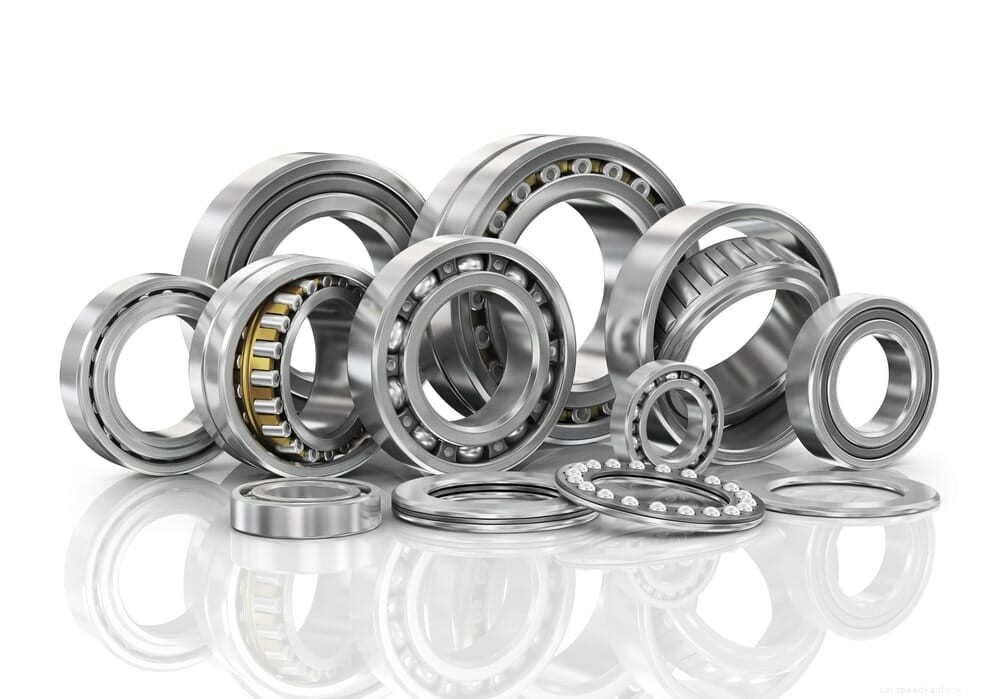
Worn wheel bearings are sometimes the culprit when you experience a shake or shudder when braking. If you jack up your car and give the wheel a tug at the top and a push at the bottom, you may feel a certain amount of movement or “play” in the wheel. A clicking sound together with play in the wheel while rocking it back and forth is usually a sure sign that your wheel bearings need replacing.
In front-wheel-drive cars, the constant velocity (CV) joints can wear out, resulting in shuddering and jerking when braking or when turning. A quick way to isolate this as a possible problem is to turn your steering wheel to the full lock position and slowly drive in a circle.
If you hear a rhythmic clunking sound, then the chances are very good that your CV joints need replacing.
As cars age, the rubber and bushes deteriorate, resulting in movement at the various joints. Ball joints, tie rods, and other suspension components can be tested by a specialist who will be able to tell you whether any of the suspension components are worn and require replacement.
If your car’s wheels are out of alignment, it may also cause a vibration when you step on the brake pedal. This usually occurs at highway speeds. Left unchecked, misalignment of the wheels and suspension can cause excessive wear on the tires, steering, and suspension components.
The steering mechanism experiences a lot of strain due to the vertical and lateral forces applied to it under normal driving conditions. Worn steering components make themselves known in various ways, one of which is shuddering and jerking when braking.
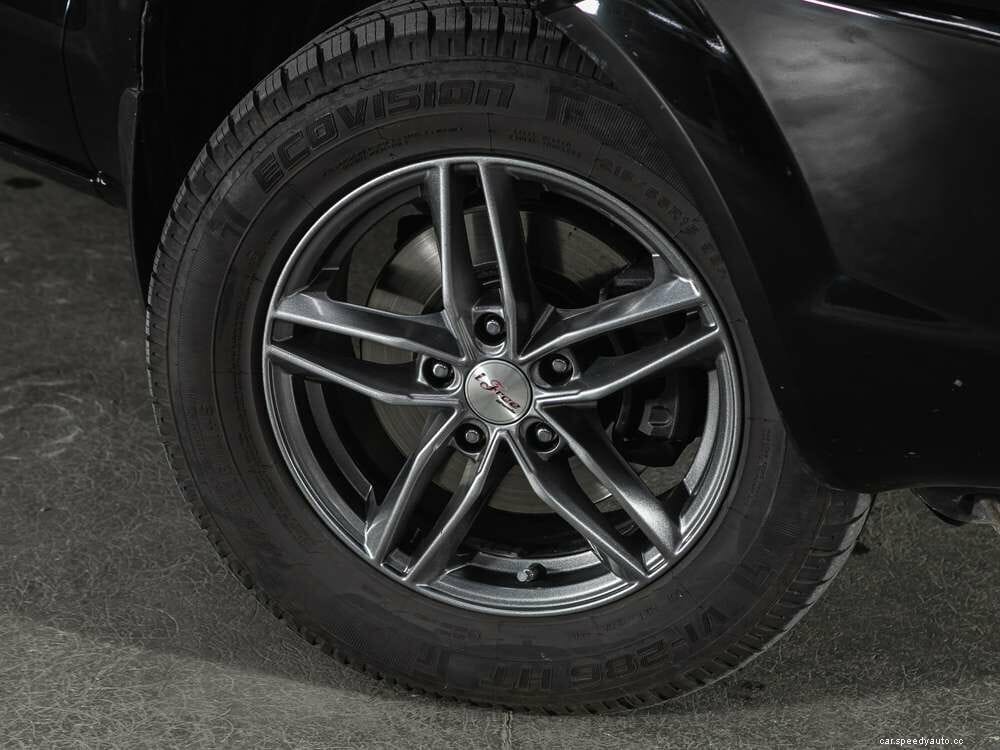
Worn tires or tires that have been damaged through reckless driving, contact with the curb, or have flat spots caused by harsh braking can all contribute to shaking or pulsation when applying the brakes.
If you experience this after having your tires changed, it’s possible that the mechanic didn’t tighten the lug nuts properly. Check that the wheel nuts are properly tightened and if the problem persists then the issue is most probably incorrectly fitted or unbalanced tires.
On manual vehicles, the clutch may not disengage fully when you come to a stop in gear with your foot on the clutch pedal. A worn clutch cable or clutch assembly can then cause the car to shake and judder when you stop.
Slipping the car into neutral should stop the jerking, but this is not a solution to your problem. Over time, it will get harder and harder to change gears and you will potentially wear out various components. Repair or replacement of your clutch is your only solution.
On automatics, low transmission fluid levels or problems with the torque converter can result in shuddering or jerking when braking.
It’s also possible that it may be the giubo on your driveshaft. This is a common problem with older automatic vehicles. The giubo is a rubber flex disk connecting your drive shaft to your transmission. When it wears out, it must be replaced to prevent vibration and shaking when you apply your brakes.
The most likely reason your car jerks when you apply the brakes is worn brake pads or a warped brake disk. After removing the wheels, check to see how much friction material is left on your brake pads. If they are worn down to less than 50% of their original size, then it may be time to replace them.
Wait until the brake rotors have cooled down and then run your finger over the surface. If you feel ridges and bumps or see any cracks, then it’s probably a good time to skim or replace the rotor.
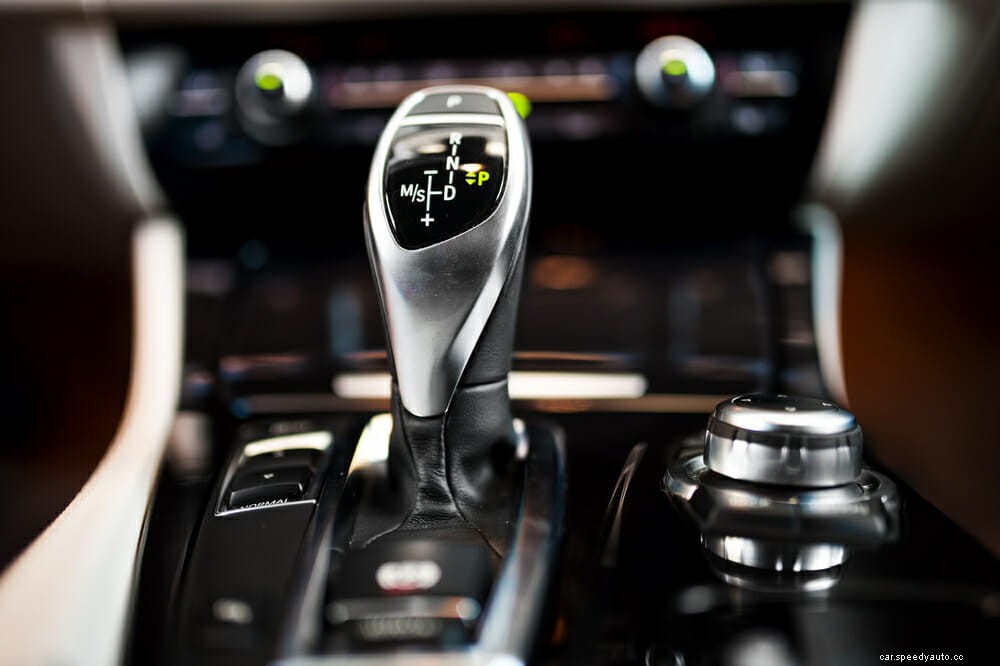
Your brakes may be the cause of your automatic transmission jerking when slowing down, especially if the brake pads are binding. However, you may need to look further and check your transmission oil as a low level could result in delayed or rough change-downs which will make the car jerk when you brake.
If your brake pedal jerks or vibrates when you apply pressure, it is usually a sign that you have worn out brake pads or a warped brake disk. The vibration will normally be accompanied by a screeching, grinding, or scraping sound.
Removing the wheel and inspecting the brake disks and pads will quickly reveal if they are the problem. A large buildup of brake dust on the rims can indicate that the pads are nearing the end of their lives.
If you experience a shake when you’re braking, it normally points to your brakes being worn out. It’s not the only reason though, as you could have a worn or damaged suspension, damaged or worn tires, worn CV joints, or a transmission problem.
If you experience a vibration when applying the brakes, it is most likely the brake disk and pads. If you have drum brakes at the rear, a vibration coming from the back of your car would indicate that your brake shoes are worn out. If you can rule the brakes out, then the vibration may be coming from the driveshaft, if your vehicle is rear-wheel drive.
Worn-out CV joints can result in uneven brake pad wear, which in turn can cause a vibration when braking. Once the CV joints wear out, any additional force, like braking, will result in a grinding noise and additional vibration. This is particularly noticeable when turning.
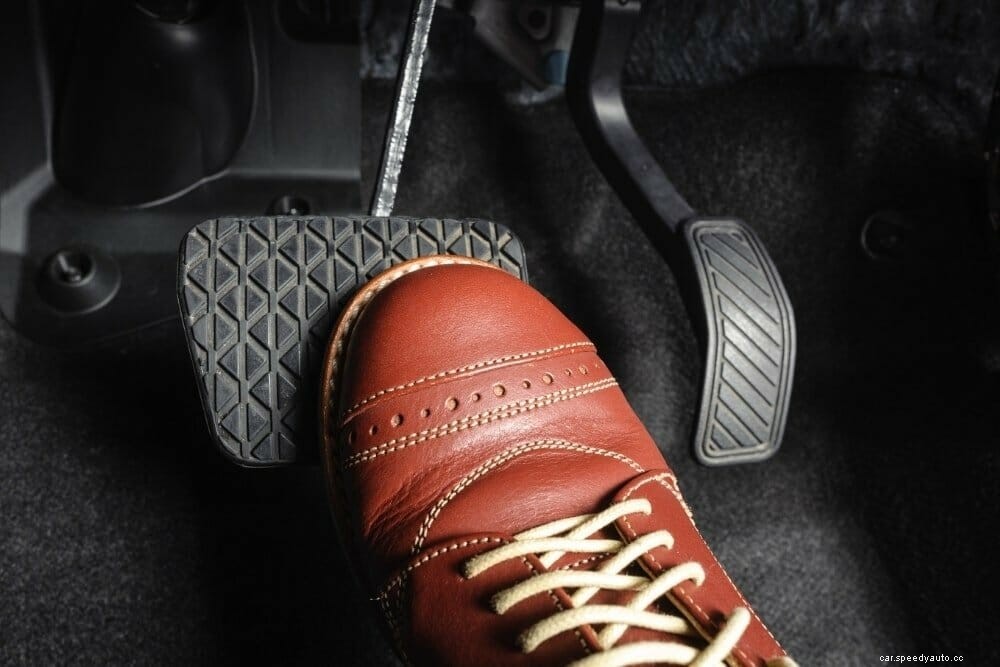
If you experience a bouncing sensation when you brake, it is most likely due to a worn suspension. If the bounce has a regular cadence, then it’s most probably your brake disks and pads that will require replacement.
A bad brake caliper will cause your brake pads to bind and wear unevenly. This in turn can lead to a vibration when you apply the brakes. Further damage to the brake disk is also possible.
As your brake pads wear, the friction material becomes thinner until the underlying metal is exposed and makes contact with the rotor. The metal-on-metal contact makes a very distinctive grinding sound and will require the replacement of the brake disks and pads.
If you check your brakes and they are not worn, then it is most likely that you have a worn CV joint.
The list of things that can cause your car to shake when you brake is quite long, but the most common cause is a damaged or worn brake rotor and worn brake pads.
Replacing brake pads is well within the skills and abilities of a good DIY mechanic, so it need not be an expensive fix. Even replacing the rotor is fairly easy and can be accomplished with the basic tools found in a home toolbox.
However, if in doubt, consult a mechanic as your brake system is vital to your safety and problems should be fixed as soon as possible.
Here are some other topics on car brakes that you can check out:
Noise When Braking At Low Speed: Causes and Fixes
How To Push Back Brake Piston Without Tool
What Does Service Brake Assist Mean?
